4 weeks ago
Last Updated:January 24, 2026, 17:31 IST
Trump’s remarks came amid renewed tensions between the US and its Nato allies, including his recent threats related to Greenland, an autonomous territory of Denmark.

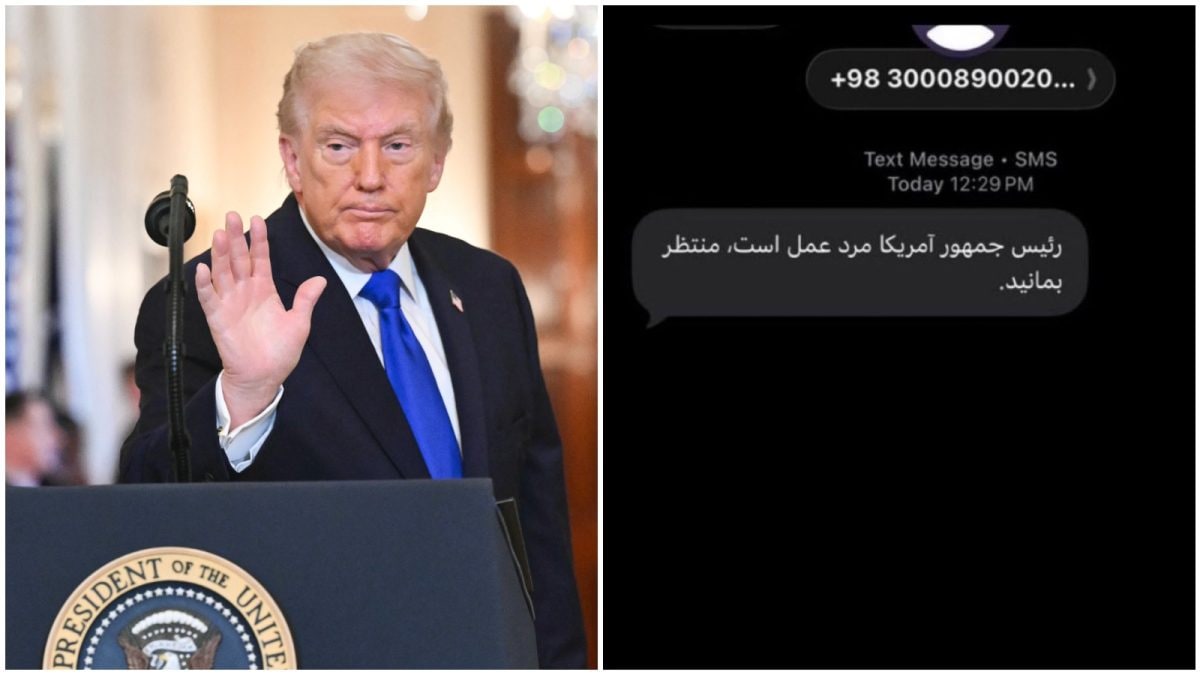
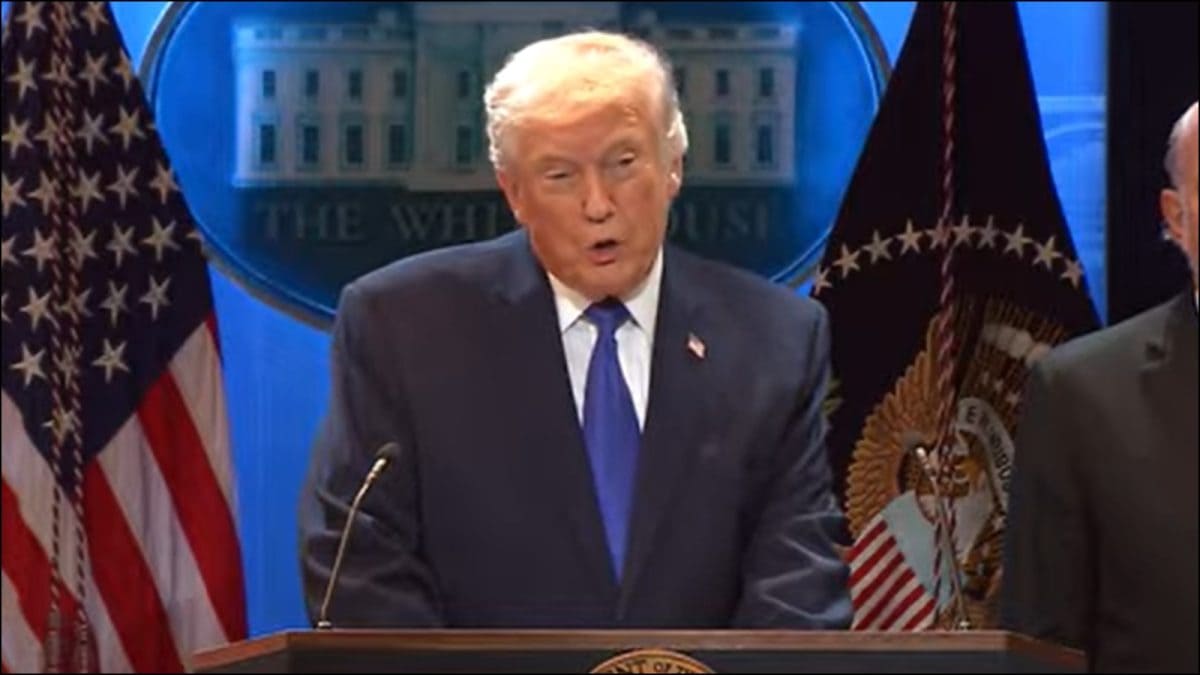
US President Donald Trump during the World Economic Forum (WEF) annual meeting in Davos on January 21, 2026. (IMAGE: AFP)
Anger has spread among European military veterans and families of fallen soldiers after US President Donald Trump claimed that Nato troops stayed away from the front lines during the Afghanistan war. Many say the remarks ignore the sacrifices made by non-American forces over two decades of fighting.
“My son was only 18 when he was killed in a blast while trying to save fellow troops," said the mother of the youngest British soldier killed in Afghanistan. She was among hundreds of veterans and relatives who spoke out as Trump’s comments drew sharp criticism across Europe.
Trump’s remarks came amid renewed tensions between the US and its Nato allies, including his recent threats related to Greenland, an autonomous territory of Denmark. The comments have further strained relations at a sensitive moment.
“We have never needed them. We have never really asked anything of them. They will say they sent some troops to Afghanistan… and they did, they stayed a little back, a little off the front lines," Trump said.
Nato’s Role After 9/11
Following the September 11, 2001 attacks, the United States and its Nato allies launched a military campaign in Afghanistan. For the first time in the alliance’s history, Article 5 of the North Atlantic Treaty was invoked, declaring that an attack on one member would be treated as an attack on all.
Dozens of Nato countries sent troops to Afghanistan, fighting alongside US forces until combat operations formally ended in 2014. Several nations continued to maintain a presence even after that, at significant financial and human cost.
What The Numbers Show
According to official figures, around 38 Nato countries committed forces to Afghanistan at various stages. The total number of Nato troops peaked at about 140,000 in 2011 before steadily declining.
While the US deployed the largest number of soldiers and suffered the highest number of deaths overall, other Nato countries paid a heavy price relative to their population size.
Around 3,500 foreign troops were killed during the 20-year conflict. Of these, 2,456 were American and 457 were British.
Denmark, a country with a population smaller than many US states, lost around 50 soldiers. In per capita terms, this loss was similar to that of the United States.
Canada recorded 159 fatalities, followed by France with 90, Germany with 62, Italy with 53 and Poland with 44. Several other Nato members, including Estonia, Norway, the Netherlands, the Czech Republic and Romania, also lost dozens of troops.
Afghan casualties were far higher. Although no official figures are available, former Afghan President Ashraf Ghani said in 2019 that more than 45,000 Afghan security personnel had been killed since 2014.
Were Nato Troops On The Front Lines?
Trump’s suggestion that allied forces avoided direct combat has been challenged by military records and experts.
According to Nato, troops from 36 member countries were deployed across key regions, including Kabul, Kandahar, Herat, Mazar-e Sharif and Laghman. All of these areas saw intense fighting during the conflict.
BBC defence analyst Frank Gardner noted that British, Canadian, Danish and Estonian troops were among those involved in the heaviest combat, particularly in Kandahar and Helmand provinces.
In the early years of the mission in Helmand, a Taliban stronghold, British and Danish forces made up most of the troops on the ground. US reinforcements arrived later, in 2008, according to a CNN report.
The UK and Denmark suffered the majority of their casualties in Helmand, a region also known for opium production.
A research paper by the Watson School of and Public Affairs found that British and Canadian troops faced combat risks at “twice the rate" of American forces when measured against each country’s peak troop deployment.
Veterans Reject Trump’s Claim
For many veterans and families of the fallen, the figures tell a clear story. Nato allies did not stay behind the front lines, they say, and their sacrifices should not be dismissed.
Based on the available data and expert analysis, Trump’s attempt to downplay the role of Nato partners in Afghanistan does not stand up to scrutiny.
Handpicked stories, in your inbox
A newsletter with the best of our journalism
First Published:
January 24, 2026, 17:30 IST
News world Is Trump Right About Nato’s Role In Afghanistan? Facts Tell A Different Story
Disclaimer: Comments reflect users’ views, not News18’s. Please keep discussions respectful and constructive. Abusive, defamatory, or illegal comments will be removed. News18 may disable any comment at its discretion. By posting, you agree to our Terms of Use and Privacy Policy.
Read More