4 weeks ago
Millions of patients in England will this week be urged to ask their GP to think again if they have not had a diagnosis for their symptoms after three appointments.
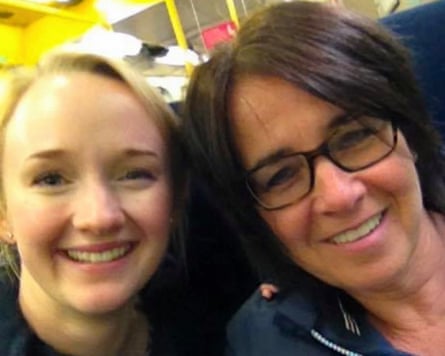
From Monday, GP practices across the country will use posters to promote Jess’s rule, a new system aimed at preventing serious illnesses from being missed and needless deaths. It is named after Jessica Brady, a 27-year-old who contacted her surgery 20 times before dying of cancer in 2020.
Jess’s rule urges family doctors to consider a second opinion, conduct a face-to-face physical examination or order more tests if a patient has had three appointments for their symptoms but no diagnosis.
Posters advertising Jess’s rule have been sent to all 6,170 GP practices in England. The system was launched in September but the new posters will boost patient safety by reminding GPs to rethink initial assumptions, ministers said.
Wes Streeting, the health secretary, said: “Every patient deserves to be heard, and every serious illness deserves to be caught early. Jess’s rule makes that possible, reminding clinicians to take a fresh look when symptoms persist and empowering patients to speak up about their care.
“This is a fitting tribute to Jessica Brady and the tireless campaigning of her parents. Their determination to turn tragedy into lasting change will help protect patients and save lives for years to come.”
The posters were co-designed by Brady’s parents, Andrea and Simon Brady, NHS England and the Department of Health and Social Care. GP surgeries will also receive a letter from Streeting and NHS England’s national medical director, Dr Claire Fuller, stressing the importance of Jess’s rule.
Jessica, an engineer for Airbus, contacted her GP surgery about 20 times in six months before her death in 2020, reporting symptoms including abdominal pain, coughing, vomiting and weight loss.
Owing to restrictions during the pandemic, she was offered virtual appointments and prescribed medications including antibiotics and steroids. She was also told she may have long Covid.
She was finally diagnosed with cancer that had spread throughout her body, but only after her mother paid for her to see a doctor privately. She died in hospital three weeks later.
Andrea Brady said the Jessica Brady Cedar Trust, the charity established in her daughter’s name, was “heartened” by the positive response from GP surgeries adopting “the three strikes and we rethink” approach.
“Many have committed to developing further training, while others have written to patients to endorse the initiative and show their support. This level of engagement has been profoundly encouraging,” she said.
Prof Victoria Tzortziou Brown, the chair of the Royal College of GPs, said Jessica’s story was “an important reminder that sometimes a rare diagnosis could be the right diagnosis”.