1 month ago
Khamenei's funeral has drawn huge crowds even as Iranians describe a country split by grief, anger and fear. His death now sharpens questions over repression, economic distress and the Islamic Republic's future.
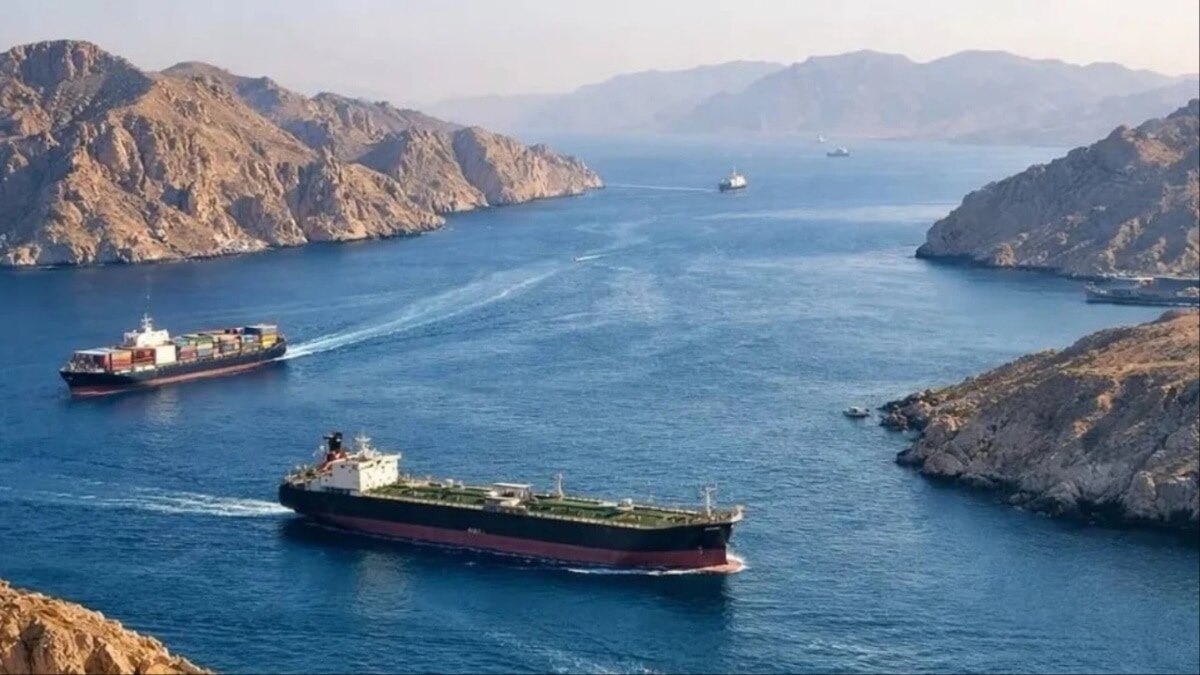
Image used for representational purposes only

Cairo,UPDATED: Jul 9, 2026 13:26 IST
Iran appears deeply divided after the death of Supreme Leader Ayatollah Ali Khamenei, with his funeral processions drawing huge crowds of supporters even as anger over repression, sanctions and the economy runs through the country. Khamenei, who ruled Iran for more than three decades, was killed in Israeli strikes on February 28 and is to be laid to rest on Thursday.
Interviews with Iranians, including opponents of the Islamic Republic, point to sharp social and political rifts that have widened over the years and deepened after the killing of thousands of anti-government protesters in January. The divide is visible not only between supporters and critics of the system, but also within families and among those who want change.
One tech worker in his mid-30s, the grandson of an influential Shiite cleric, said he was born in Qom and raised in a traditional family that supported the theocracy. But by his late 20s, he had stopped praying and lost faith in clerical rule. He said he can now barely discuss politics or religion with his siblings and father. Speaking by phone from Tehran on condition of anonymity, he said, "A gap has opened up in homes across the country that is really remarkable."
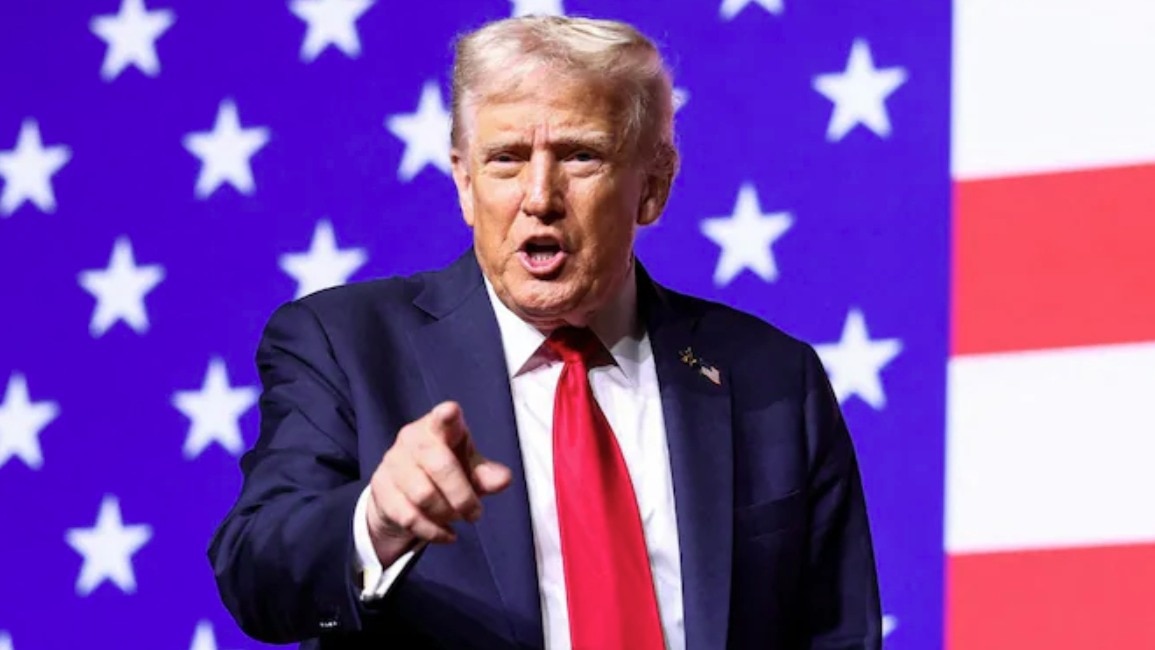
Khamenei's death has brought that divide into sharper focus. Supporters of the Islamic Republic have described him as a martyr and a defender of clerical rule who stood up to the West and Israel. Some mourners at the funeral echoed ultra-hardline slogans against talks with the United States and called for revenge against US President Donald Trump. "Our goal is to prove to the world that we will not submit to oppression and tyranny, and that we will avenge the blood of our leader," said Hossein Akbari, a 60-year-old mourner in Tehran.
Khamenei took power in 1989 after the death of Ayatollah Ruhollah Khomeini, who had led the overthrow of the US-backed shah a decade earlier. Under the banner of resisting the West, Khamenei pushed ahead with Iran's nuclear programme, missile arsenal and network of militant allies in the region despite sanctions. At home, he entrenched hardline clerical rule, largely weakened the reform movement, and gave the Revolutionary Guard wide military, political and economic power. As younger Iranians pushed for liberalisation, he sought to keep strict control over personal life and dress codes.
A major turning point came in 2009, when protests over allegations of vote-rigging in the presidential election were crushed and dozens were killed. An Iranian activist and former political prisoner, who writes for a reformist-leaning magazine in Tehran, said the crackdown created widespread hopelessness. Last month, Ali Rabiei, a senior aide to reformist President Masoud Pezeshkian, said Iran was "severely polarised" between hard-core supporters of the Islamic Republic and those who want its downfall. At the same time, he said there was a large part of society between the "two poles" that the government could rely on to bring change from within the system.
There is no reliable polling in Iran, but elections have offered some indication of public opinion. Turnout in the last presidential election fell to among the lowest levels on record, suggesting many voters saw little point in taking part. Even so, the hardline candidate received 13.5 million votes, while Pezeshkian won 16.3 million.
Since 2009, repeated protests have been met with force. The deadliest crackdown came in January, when security forces killed thousands during nationwide demonstrations that began over economic problems and then widened into calls for Khamenei's overthrow. The sister of a protester shot dead on January 9 in Tehran described Khamenei's legacy in one word: "injustice". She said working-class families were under even more strain after the war. "Workers can barely afford to buy bread, everything is so expensive," she said. "Since my sister died, mentally, financially, our life has fallen apart. All we do is look at photos and videos of my sister and cry. What do we have left?"
A quieter form of dissent has also emerged during Ashoura, the holy period marked by funeral-style marches for a martyred seventh-century Shiite saint. Videos posted on social media have shown some Iranians joining the processions carrying photographs of relatives killed in the January crackdown.
For some Iranians, the next phase is marked by uncertainty. One legacy of Khamenei's rule is that the Islamic Republic has survived both his death and the heavy US-Israeli assault. After the war, the leadership reached an interim deal with the US that brought immediate gains and could lead to sanctions being lifted if there is a final nuclear agreement, though that remains uncertain. A 35-year-old woman who took part in the January protests said, "It's a victory for the Islamic Republic," but added, "for Iran's people, until we see the results, we won't know if it is." She said she was troubled by the divisions in society and among opponents of the theocracy. "The space for dialogue is very closed, and I don't mean only the government, I mean the people," she said.
Economic distress remains central for many people. A 33-year-old Tehran resident who joined the January protests said he had lost his job at a tech company and was most worried about the damaged economy, with unemployment and prices rising sharply. He said many of his friends were also out of work and his wife's employer had cut salaries. "All of us, frankly, are just trying to stay alive and all of our struggle is taken up with meeting basic needs like rent and food," he said.
Rebin Rahmani, a Kurdish activist who was once imprisoned in Iran and now lives in Paris, said the theocracy under Khamenei had no answer to growing political and economic problems except more repression. "Its insistence on iron-fisted, security-driven approaches will only trigger further unrest," said Rahmani, a director at the Kurdish Human Rights Network. Protests, he said, are "reigniting every few years with renewed force." Within the system, Pezeshkian and other pragmatists want to use the US talks to seek sanctions relief and rebuild the economy. For now, they appear to have the backing of Khamenei's son and successor, Ayatollah Mojtaba Khamenei, who remains in hiding but gave tentative support to the talks in a written statement.
Ali Vaez, Iran director at the Crisis Group, said the real test of Khamenei's legacy may come in peacetime, as rival factions compete to shape the Islamic Republic's future. "Wartime gave the system a degree of cohesion under shared duress. But the governance challenges remain just as stark." For now, Khamenei's funeral has underlined both the strength of the system's hardline base and the depth of the discontent that still threatens it.
With PTI Inputs
- Ends
Published By:
India Today Web Desk
Published On:
Jul 9, 2026 13:26 IST