 1 month ago
HomeMarket NewsMarkets bottom out before conflicts end; waiting has a cost: Kotak AMC CIO
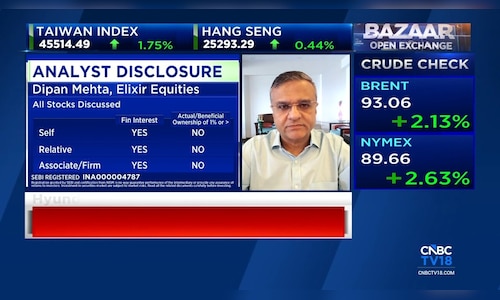
Harsha Upadhyaya, Chief Investment Officer of Kotak Mahindra Asset Management Company explains why markets bottom before clarity, how crude shocks impact the near term, and why staying invested with a diversified approach is key to long-term returns.
“Markets typically bottom out even before the war ends… if you are waiting for the war to end, then you are paying a price in terms of valuation," says Harsha Upadhyaya, Chief Investment Officer at Kotak Mahindra Asset Management Company., which manages nearly $5 billion in assets.
Watch the full conversation here

Before the West Asia conflict began, “The macro-economic environment was very benign. Crude was trading at $60 to $65 per barrel… we are likely to see earnings trajectory moving up,” he said, adding that the trajectory had begun to show in sequential earnings improvement.
But now higher crude prices could weigh on both economic growth and corporate margins. While some companies have already felt the impact in earnings, others may see it play out in the coming quarters.
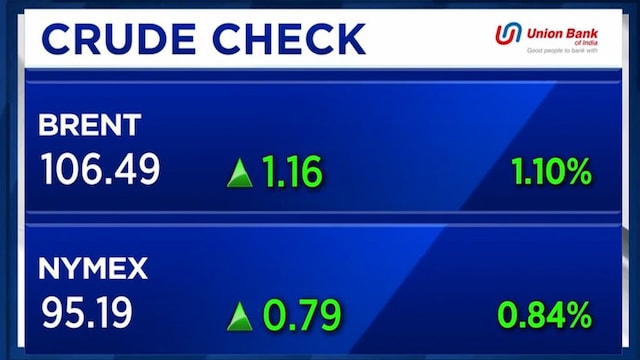
However, he remains clear that this is not a structural shift. “Most of this would be very, very short-term in nature. I don't think it's going to extend beyond a certain timeframe,” he says.
That distinction between short-term disruption and long-term trend is critical to his investment stance. Rather than reacting to volatility, he advises investors to stay invested and build exposure gradually. “Investors will have to clearly understand and not panic at this point in time… when you have uncertainty, you keep participating with the long term in focus,” he says, reinforcing the idea that uncertainty is part of the equity cycle, not a reason to exit it.
Also Read: Markets getting used to Iran conflict, earnings still strong: Ed Yardeni
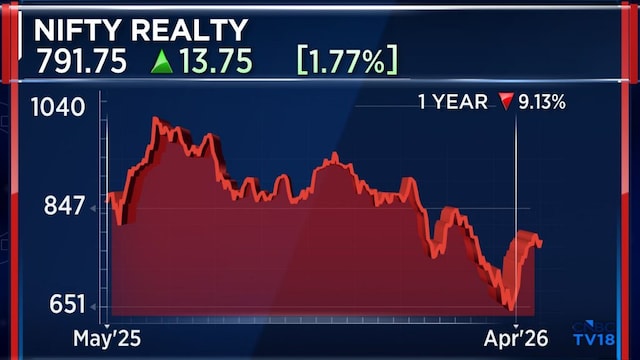
On sector positioning, caution is warranted where cycles are already advanced. Real estate is one such space. Despite recent corrections, Upadhyaya remains wary, citing structural headwinds. “You need to be a little more cautious on real estate,” he says, pointing to slowing employment growth in the IT sector, a key demand driver, and the sharp rise in property prices. While lower interest rates have improved affordability, elevated capital values continue to weigh on the outlook.
In contrast, he is sceptical about chasing opportunities in crude-linked sectors purely based on recent price moves. While higher oil prices may appear beneficial for upstream companies, the reality is more complex. “It doesn't make sense to just look at the beneficiaries of this crude price increase,” he explains, highlighting the possibility of policy interventions such as windfall taxes that can cap gains. More importantly, he does not see high crude prices sustaining. “Structurally, we cannot argue for sustainably higher prices… in every case in the past, it has corrected.”
This reinforces his broader investment approach—avoid narrow thematic bets and focus on diversification. “It’s better to keep a diversified approach rather than any thematic or sectoral focus,” he says, especially in uncertain environments where outcomes are harder to predict.
Also Read: SBI Life targets 14% growth, looks to stay ahead of industry
Even when evaluating company-specific developments such as large acquisitions or management changes, the framework remains consistent and disciplined. Investors should assess what the deal adds in terms of synergy, cost efficiencies and margin expansion, and how quickly it can break even. Similarly, leadership changes should prompt a fresh evaluation rather than a knee-jerk reaction, as they can signal a potential shift in direction but not necessarily guarantee success.
Catch all the latest updates from the stock market here