1 month ago
The Rastriya Swatantra Party (RSP) has dominated Nepal's parliamentary elections, winning 124 seats and leading in one more, putting it on track for a two-thirds majority. The Nepali Congress and CPN-UML trail far behind as counting nears completion.
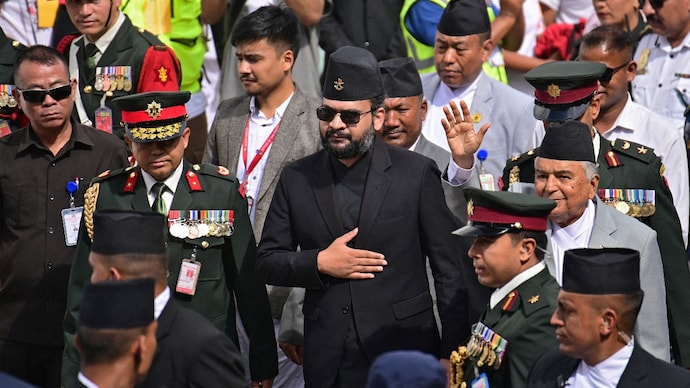
Balendra Shah 'Balen', 35, a former rapper and composer is expected to become Nepal's next prime minister. (Reuters photo)

New Delhi,UPDATED: Mar 9, 2026 08:01 IST
The Rastriya Swatantra Party (RSP) has emerged as the clear frontrunner in Nepal’s parliamentary elections, winning 124 seats and leading in one more as counting progressed early Monday, putting it on course for a two-thirds majority.
According to the latest results released by the Election Commission, the Nepali Congress (NC) has won 17 seats and is leading in one, while the CPN-UML has secured eight seats and is ahead in another. The NCP has won seven seats so far.
Smaller parties have also made limited gains, with the Shram Sanskriti Party winning three seats, while the Rastriya Prajatantra Party (RPP) and independent candidates have won one seat each.
Results for 161 of the 165 seats contested under the direct voting system have been declared so far, with outcomes for the remaining four seats expected later in the day.
Under the proportional representation system, the RSP has also taken a commanding lead, securing 3,789,803 votes. The Nepali Congress has received 1,275,594 votes, followed by the CPN-UML with 1,079,726 votes and the NCP with 555,300 votes.
The Shram Sanskriti Party has polled 265,398 votes, the Janata Samajwadi Party 116,463, while the Rastriya Parivartan Party has secured 108,084 votes.
With the RSP poised to form the next government, party leader Balendra Shah is set to become Nepal’s first Madhesi prime minister and the youngest elected executive head in the country’s history.
- Ends
Published By:
Priyanka Kumari
Published On:
Mar 9, 2026 08:00 IST