1 month ago
The Trump administration also underestimated Iran's willingness to shut the strait. A few US officials told CNN that the move might have been "prevented" if military assets had been positioned nearby from the outset to deter Tehran or enable a quicker response.
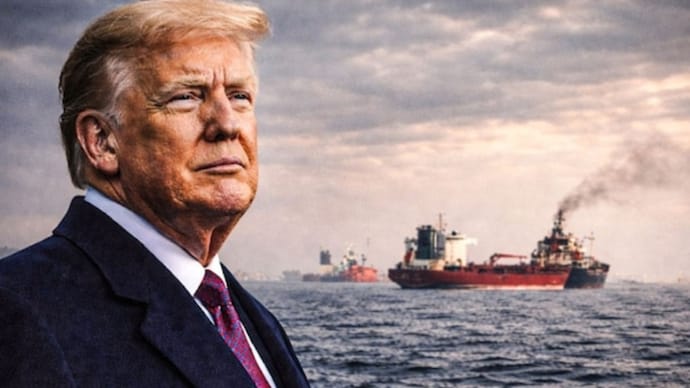
Trump considers fresh Iran strikes to break Hormuz deadlock

New Delhi,UPDATED: Apr 24, 2026 08:47 IST
US President Donald Trump extended the Iran ceasefire indefinitely earlier this week, but the Gulf remains locked in a tense stalemate. He said the US naval blockade of the Strait of Hormuz will continue, while Iran is unwilling to lift its own blockade of the key energy chokepoint unless Washington relents. Meanwhile, US military officials are drawing up fresh plans to target Iran’s capabilities around the strait if the ceasefire collapses, in a bid to break the deadlock.
Among the options under consideration is a strike plan focused on what officials described as “dynamic targeting” of Iranian assets across the Strait of Hormuz, the southern Arabian Gulf and the Gulf of Oman, CNN reported. Citing sources, the report said potential targets include small fast attack boats, minelaying vessels and other asymmetric platforms that Tehran has used to effectively restrict these waterways and exert pressure on the US.
The closure of the Strait of Hormuz and the ensuing supply chain shock have sent shockwaves through the global economy, threatening Donald Trump’s push to curb inflation in the US, which has continued to rise despite the ceasefire that began on April 7, during a midterm election year.
Although the US military has struck Iran’s Navy, much of the first month of bombing focused on targets away from the strait and on sites that would allow the US to operate deeper inside Iran. The newer plans instead envisage a far more concentrated campaign around the strategic sea lanes.
A large share of Iran’s coastal defence missiles reportedly remains intact even after six weeks of joint US-Israeli bombing. Iran also retains many small boats that could be used to launch attacks on ships, making any US effort to reopen the strait more difficult.
US military planners could also act on Donald Trump’s earlier threat to strike dual-use and infrastructure sites, including energy facilities, in an effort to force Iran back to the negotiating table, according to a CNN report. Trump has said the US would resume combat operations if a diplomatic settlement is not reached.
However, many current and former US officials have warned that striking infrastructure could backfire on the White House, as it would further escalate tensions and worsen the already fragile global economic situation.
Military planners have also developed another option that would target individual Iranian military leaders and other “obstructionists” within the regime who, US officials say, are undermining negotiations, a source said. The list includes Ahmad Vahidi, a senior figure in the Islamic Revolutionary Guard Corps, who is believed to be calling the shots.
Trump has repeatedly said the Iranian regime is “fractured” after joint US-Israeli operations killed several senior officials, including the country’s supreme leader. In a social media post on Thursday, he pointed to what he described as a split between the IRGC and government figures who had been involved in talks with the US as one obstacle to a diplomatic deal.
“Iran is having a very hard time figuring out who their leader is! They just don’t know! The infighting is between the ‘Hardliners,’ who have been losing BADLY on the battlefield, and the “Moderates,” who are not very moderate at all (but gaining respect!), is CRAZY!” Trump wrote.
Any further US action would likely also target Iran’s remaining military assets, including missiles, launchers and production facilities that survived the initial US-Israeli strikes or may have been relocated during the ceasefire, CNN reported, citing US officials.
Last week, Defence Secretary Pete Hegseth said at a press briefing that Iran had moved some of its remaining military assets to new locations during the ceasefire and warned that those targets could be hit if Iran refused to agree to a deal.
"And we know what military assets you are moving and where you are moving them to. While you are digging out -- which is exactly what you're doing, digging out of bombed out and devastated facilities -- we are only getting stronger. You are digging out your remaining launchers and missiles with no ability to replace them," Hegesth had said.
On one hand, several reports suggest Donald Trump is reluctant to restart the war and prefers a diplomatic solution. At the same time, CNN, citing sources familiar with the matter, reported that his ceasefire extension is not truly “indefinite,” and the US military remains prepared to resume strikes if ordered.
Trump has also continued to express frustration over Iran’s refusal to reopen the Strait of Hormuz, which Tehran effectively closed to international shipping after the first round of US-Israeli strikes.
The Trump administration also underestimated Iran’s willingness to shut the strait. A few US officials told CNN that the move might have been prevented if military assets had been positioned nearby from the outset to deter Tehran or enable a quicker response.
- Ends
Published By:
Sayan Ganguly
Published On:
Apr 24, 2026 08:47 IST
Tune In