1 hour ago
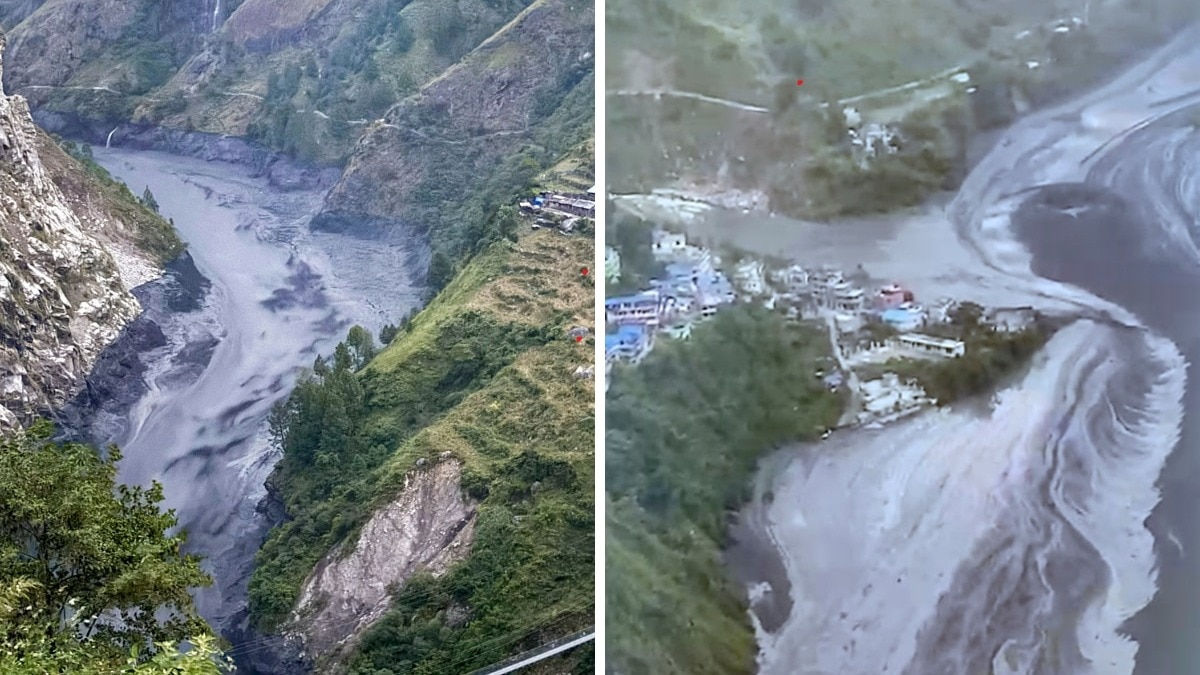
A sudden flash flood tore through Nepal's Budhi Gandaki corridor, washing away homes, bridges and hydropower equipment. Officials say a possible landslide dam breach may be to blame, heightening fears over cascading Himalayan hazards.

Image used for representational purposes only
Kathmandu,Oct 11, 2026 18:36 IST

A landslide and the possible breach of a temporary river blockage may have triggered a flash flood in Nepal's Budhi Gandaki river system early on Sunday, according to a Kathmandu-based intergovernmental organisation. The flood hit around 4 am local time, sweeping away houses and bridges in Gorkha district and damaging hydropower infrastructure.
At least 10 people remain missing and nearly 50 have been rescued, Nepali authorities said. Search and rescue operations, evacuations and relocation efforts are under way with the help of security personnel, while authorities have warned communities along connected river systems as water levels fluctuate and risks rise.
The Centre for Integrated Mountain Development (ICIMOD) said in a statement, citing preliminary accounts from Nepal's authorities, that the flood may have been caused by the failure of a temporary blockage created by a landslide near Chumchet in Gorkha district. It said floodwaters carried mud, sediment and debris downstream along the Budhi Gandaki corridor, prompting alerts for communities along the Budhi Gandaki, Trishuli and Narayani river systems.
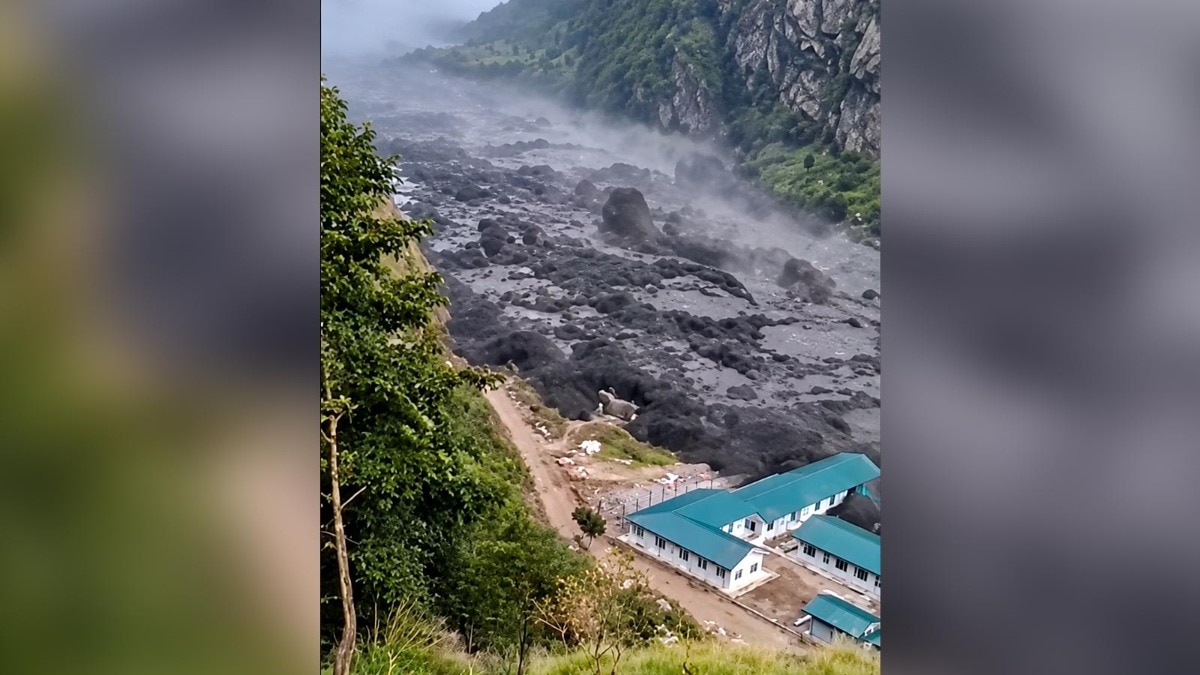
Initial reports indicate that people are missing, houses have been washed away, bridges have been lost and riverside infrastructure has been damaged. Floodwaters also swept away a construction camp and equipment at the 341-MW Budhi Gandaki hydropower project in Salleri, although the full extent of the damage remains unclear.
The incident comes weeks after devastating floods along Nepal's mountainous border with China, including the Bhotekoshi and Trishuli river floods on August 26, which left more than 1,400 people dead and thousands missing.
ICIMOD Director General Pema Gyamtsho said Sunday's disaster underscored the risks posed by cascading mountain hazards, in which one event can trigger another and amplify the impact on communities and infrastructure. "While response efforts must remain the immediate priority, understanding what triggered this flood will be critical for reducing future risks and strengthening resilience," he said.
ICIMOD said the flood highlighted the vulnerability of settlements, transport networks, energy infrastructure and essential services along mountain river corridors. It added that understanding how slope instability, river dynamics and downstream exposure interact would be crucial for risk reduction, infrastructure planning and recovery efforts in the Himalayas.
With PTI Inputs
- Ends