1 hour ago
Families missing loved ones in Nepal's flood-hit districts have begun symbolic funeral rites with effigies. The rituals reflect fading hope of rescue and the collapse of homes, shelters and mourning facilities.

Kathmandu,UPDATED: Sep 3, 2026 13:24 IST
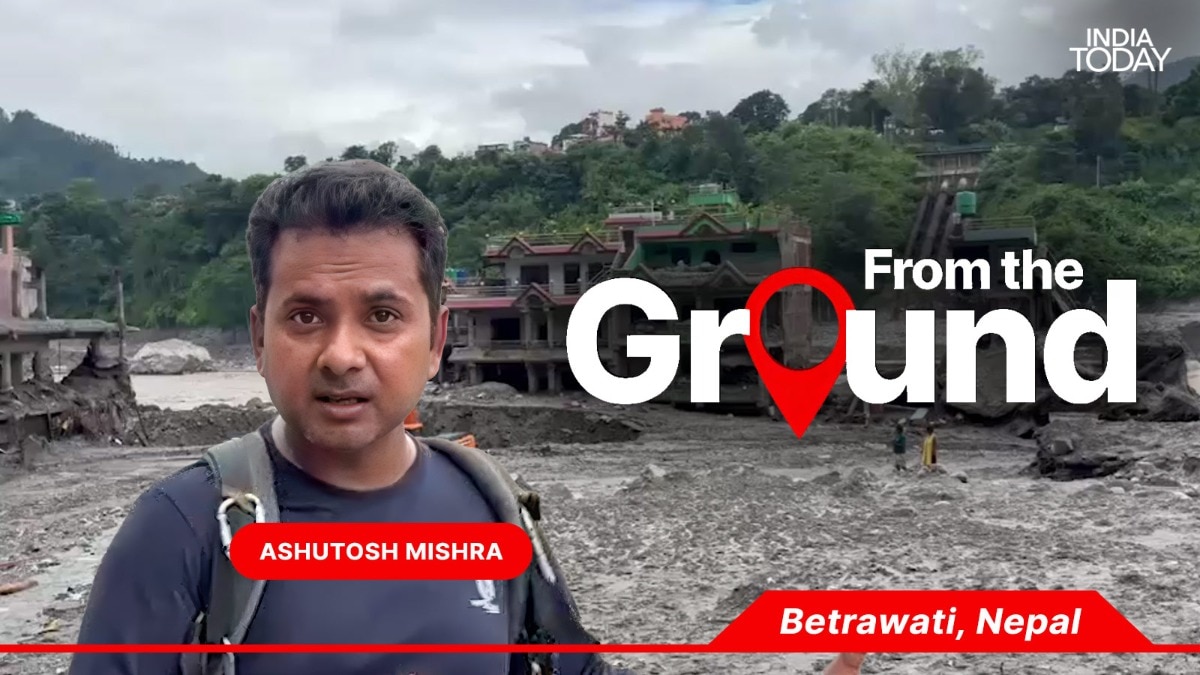
Eight days after devastating floods hit parts of Nepal, families of people still missing have begun performing funeral rites with symbolic effigies, even as many of them have no homes left where they can mourn. The Bhotekoshi floods on August 26 swept away homes, roads and bridges, and destroyed settlements along the Trishuli riverbanks.
More than 1,200 bodies of people killed in the floods had been recovered by Thursday morning, while thousands remained missing. In the worst-hit areas, families are turning to symbolic funerals because hopes of finding their relatives alive are fading, and because many villages no longer have the homes or basic facilities needed to observe traditional mourning rituals.
In Paharebesi village of Rasuwa district, residents have started preparing to perform final rites for missing relatives after receiving no information about them for eight days, according to Onlinekhabar. Uttargaya Rural Municipality Chairperson Madhav Prasad Aryal said families who believed their missing relatives were unlikely to be found had started the process. But carrying out the rituals has itself become difficult, with many families lacking shelter and priests. Deputy Chairperson Chameli Gurung said, 'Almost nothing remains of the old settlement. It is not possible for everyone to stay together while observing the mourning rituals.'
The report said more than 20 families from Paharebesi had left for Kathmandu and other places to observe the mourning period, while more were preparing to leave. In flood-hit areas, families have begun using effigies made of kusha grass to perform the final rites of relatives who remain untraced, The Kathmandu Post reported. Some families have also travelled to Kathmandu even after recovering and cremating bodies because their villages no longer have homes where they can complete the mourning period.
Facilities in Kathmandu meant for families observing these rituals are already full, according to the report. At the Kiriyaputri Bhawan at Rudramati Mahadev Temple in Tarakeshwar, eight groups were staying, each having lost between three and five family members in the Rasuwa floods. Nearby, all eight rooms at the Gupteshwar Mahadev Temple's Kiriyaputri Bhawan were occupied, leading the management to set up tents and create six additional rooms. A Kiriyaputri Bhawan is a shelter where Hindu mourners stay during the mandatory 13-day post-death mourning rituals. Rishi Prasad Nepal, a member of the facility's management committee, said, 'Now we do not have any room available until the current groups complete their mourning.'
The shortage goes beyond accommodation, with families also struggling to obtain cooking gas needed during the mourning period. The Kathmandu Post said families were opting for symbolic funerals because there was little hope of recovering all the missing and because identifying bodies was becoming increasingly difficult. Some victims also alleged that bodies were being rapidly buried in mass graves, leaving families with no option but to conduct symbolic rites. With more than 7,000 houses swept away and many surviving homes left uninhabitable, the disaster has left families in northern and central Nepal dealing not only with the loss of loved ones but also with the absence of homes and basic facilities needed to mourn them.
With PTI Inputs
- Ends
Published By:
India Today Web Desk
Published On:
Sep 3, 2026 13:24 IST