1 hour ago
Nepal has launched the Nepal Calling campaign to reassure tourists after the Bhotekoshi flash floods. The push aims to rescue peak-season bookings by stressing that major destinations and trekking routes remain open.

Kathmandu,UPDATED: Sep 7, 2026 14:02 IST
Nepal has stepped up efforts to assure international tourists that the country remains open for travel after the Bhotekoshi flash floods, as it tries to protect the crucial autumn tourism season and prevent further damage to a sector that is still recovering. Tourism Minister Khadak Raj Poudel has launched a social media campaign under the hashtag "Nepal Calling" to tell visitors that key destinations and trekking routes are open.
In a video message posted on social media, Poudel said, "Nepal is still open... Our Himalayan trekking routes are still waiting for you." He added, "You coming to Nepal now is not just for a holiday. It is also a great help to the country, which is grappling with the devastating disaster of flash floods." Tourism contributes about 6.7 per cent to Nepal's GDP directly and indirectly and supports more than one million jobs, according to government data.
The government is moving quickly because the floods struck on August 26, just before the September-November peak tourist season, which accounts for around 40 per cent of Nepal's annual foreign tourist arrivals, according to ekantipur.com. Nepal received 85,444 foreign tourists in August, down 3.65 per cent from the same month last year, and tourism businesses reported a rise in cancellations after the floods hit in the final week of August.
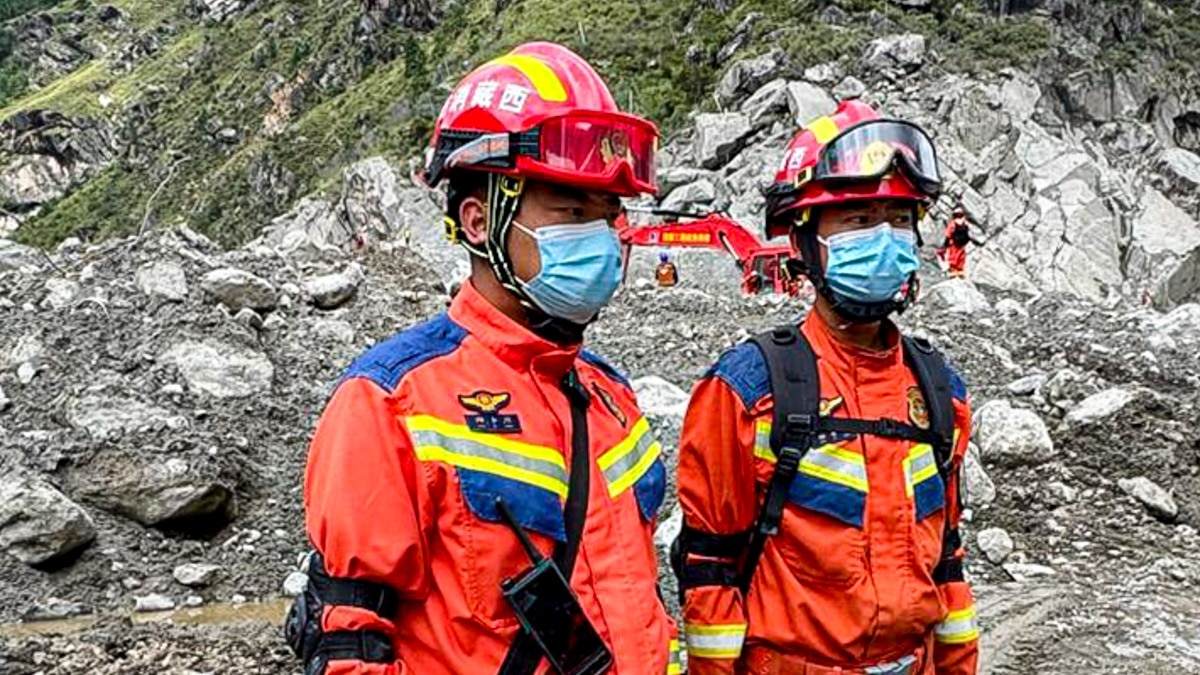
The flash floods were triggered by an ice-rock avalanche near the Nepal-Tibet border and devastated towns and villages in northern and central Nepal. Floodwaters travelled downstream through the Bhotekoshi River, sweeping away homes, vehicles, roads and bridges and damaging hydropower projects. As part of its response, the government has asked Nepali diplomatic missions and international partners to convey that the disaster was geographically limited and that major tourist destinations and airports are functioning normally. Foreign Minister Shishir Khanal told diplomatic missions and development partners in Kathmandu last week that Kathmandu Valley, Pokhara, Chitwan, Lumbini, Janakpur, Annapurna, Sagarmatha and Bardiya remain open to tourists.
The concern comes amid reports that the floods have already started affecting bookings, at a time when Nepal's tourism industry has yet to fully recover from the COVID-19 pandemic and has also faced disruptions from political unrest in September 2025 and tensions linked to the conflict in West Asia. Mandeep Giri, managing director of the Dome Himalaya Hotel in Kathmandu's Thamel tourist district, said around 20 per cent of bookings for the September-November season had been cancelled within a week of the disaster, with online bookings making up a significant share. "Booking cancellations are increasing every day," Giri was quoted as saying by ekantipur.
Tourism businesses fear that images of flooded roads, collapsed bridges, stranded people and bodies recovered from rivers in Rasuwa and other northern areas could leave potential visitors with the impression that the entire country has been affected. "The message that Nepal is safe should be effectively conveyed through Nepali embassies and missions abroad," Hotel Association of Nepal president Binayak Shah told a parliamentary committee meeting last week. The Relations and Tourism Committee of Parliament has urged the government to prepare an immediate strategy to restore confidence in Nepal's tourism market, including measures to help flood-affected tourists. Committee chairperson Sumnima Udas said the government needed to send a "positive and credible" message about Nepal's tourism sector following the disaster.
The government is also considering incentives to encourage foreign visitors, including free visas, hotel discounts and easier travel arrangements. Nepal Tourism Board acting chief Hikmat Singh Air said a revival package could also include discounts on airfares and hotels if needed, and that the board is preparing to strengthen the "Nepal Calling" campaign with the Tourism Ministry. Poudel has also proposed developing Rasuwa as a "climate heritage" area in the longer term, linking the disaster to Nepal's wider climate justice campaign. Overall, Nepal is trying to contain the impact of the floods on bookings by stressing that the damage was limited and that the country's main tourism routes and destinations remain open.
With PTI Inputs
- Ends
Published By:
India Today Web Desk
Published On:
Sep 7, 2026 14:02 IST