 1 month ago
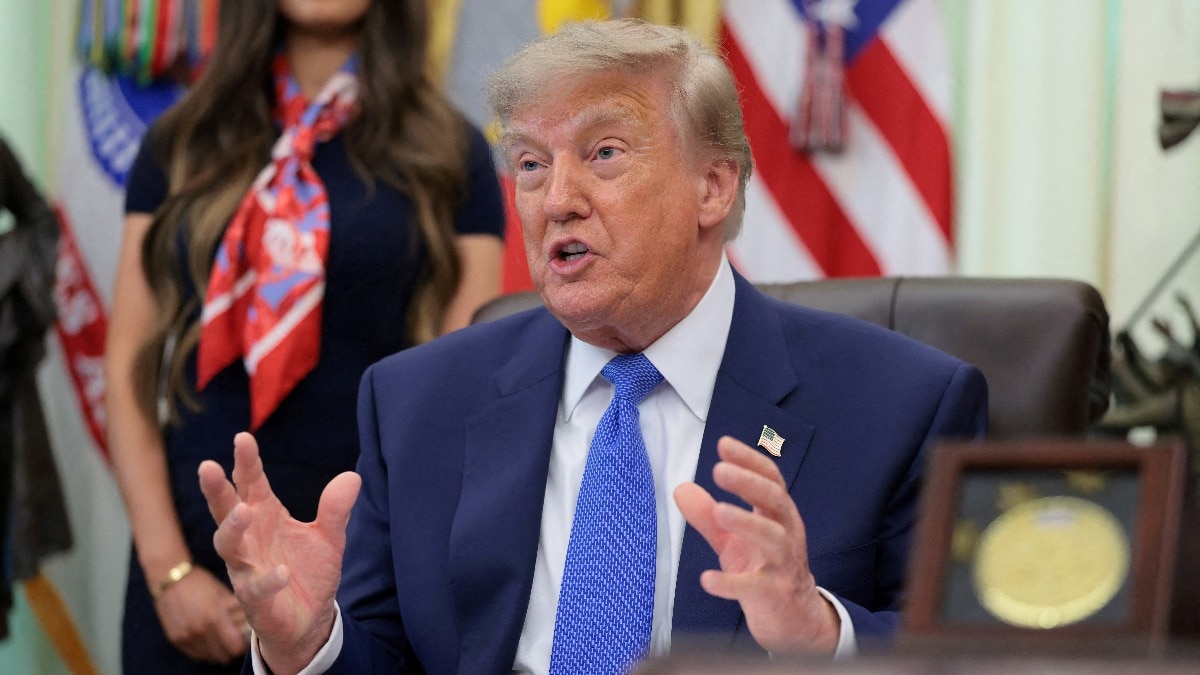
Tehran pushed back on US President Donald Trump's claim that a settlement with Iran was close and said no agreement had been finalised. The exchange underscored gaps in the talks even as Trump said he had called off fresh US strikes.
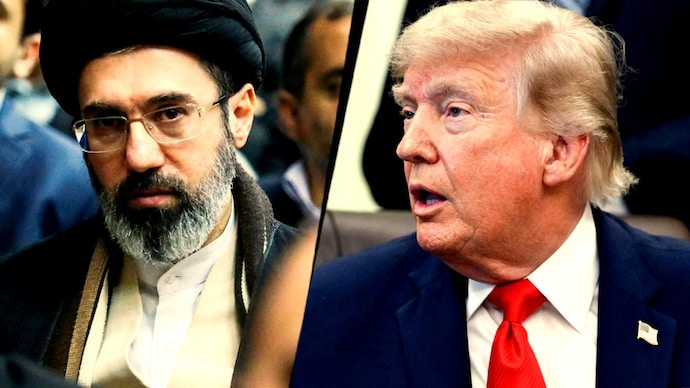
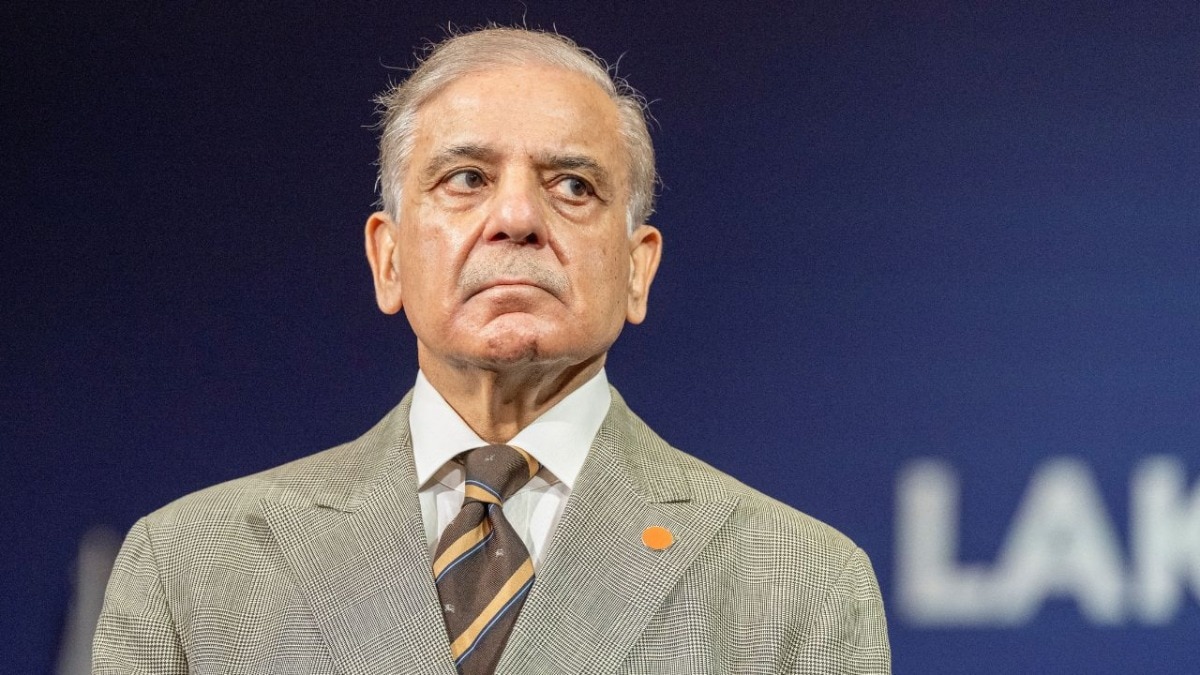
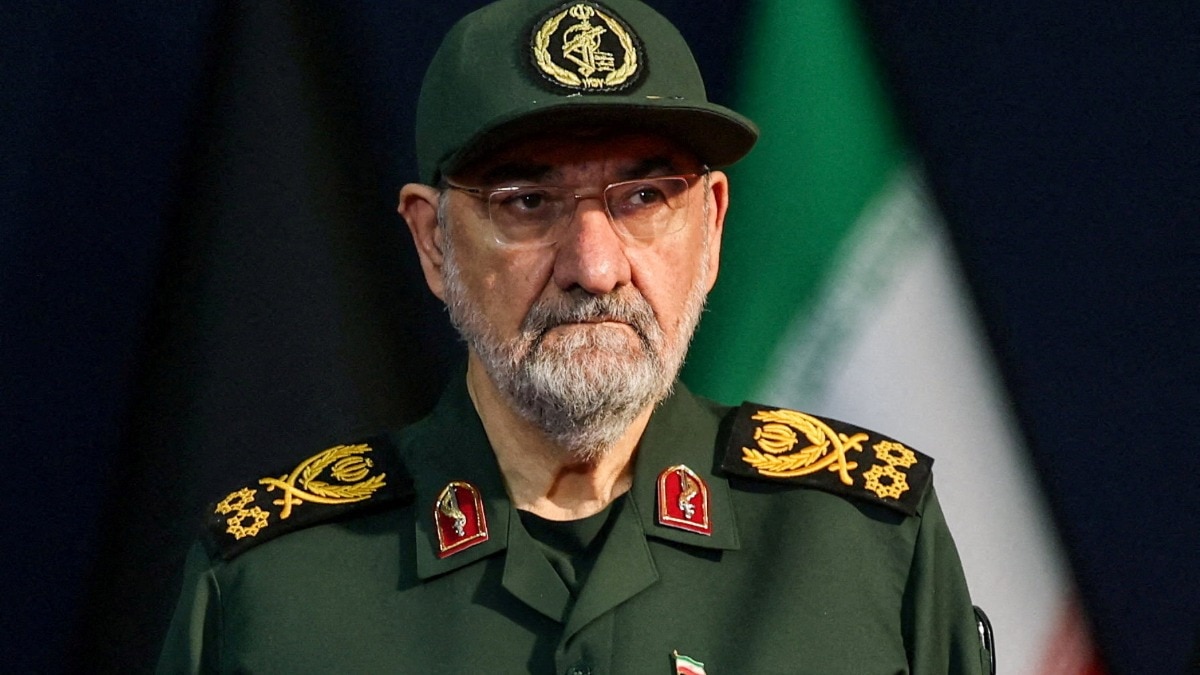
Iran pushed back on US President Donald Trump's settlement claim even as he called off fresh strikes. (Pics: Reuters)
Pushing back against US President Donald Trump's claim that a "great settlement" with Iran was imminent after months of continued hostilities, Tehran said no agreement has been finalised and warned that its "red lines" remain non-negotiable.
Officials in Tehram said the proposed deal is still being reviewed by the country's decision-making bodies despite progress in the talks.
Speaking to Iranian state media, Foreign Ministry spokesperson Esmaeil Baghaei said reports suggesting that an agreement was ready to be signed remained speculative and that no final arrangements had been made.
"We have not reached a final conclusion on this matter. This is a very important issue that is currently being reviewed by the relevant decision-making bodies," he said.
Baghaei added that while a substantial portion of the negotiating text had already been agreed upon, the US repeatedly altered its positions during the course of the talks.
He reiterated that Tehran would not back away from its core positions in any agreement with the US.
The remarks came hours after Trump struck an upbeat tone on the state of negotiations, saying discussions with Iran had advanced enough for him to call off planned military strikes.
Speaking at the White House, Trump said he believed Iran's Supreme Leader, Mojtaba Khamenei, had approved a framework agreement that could pave the way for the reopening of the Strait of Hormuz and the lifting of US restrictions on Iranian ports.
Asked directly whether Khamenei had signed off on the deal, Trump replied: "I understand the answer is yes."
The President described the understanding reached with Tehran as "a very strong memorandum of understanding", while acknowledging that it remained somewhat conceptual.
"It's a little conceptual, but it's something that's going to get done," Trump said.
Trump also claimed that military action targeting Iran's Kharg Island oil export hub was no longer under consideration and said the Strait of Hormuz would reopen immediately once the memorandum was formally signed.
"We just made a great settlement of the war with Iran," Trump told reporters in the Oval Office. "The strait will officially open as soon as we sign, which could be soon, very soon, maybe over the weekend in Europe."
The President said he had discussed the matter with Israeli Prime Minister Benjamin Netanyahu and had also spoken with leaders from Qatar, the United Arab Emirates, Saudi Arabia, Bahrain and Kuwait.
He added that he expected to speak with Turkish President Recep Tayyip Erdogan soon.
According to Trump, the agreement would permanently address concerns over Iran's nuclear ambitions.
"Most importantly, we have a deal that Iran will never have a nuclear weapon, which was the whole purpose of what we had to go through to get this. So it was a very big thing," he said.
Separately, Trump also announced that he had cancelled fresh military strikes against Iran.
The decision marked a sharp shift from his comments just hours earlier, when he had indicated that US forces were preparing for a third consecutive night of strikes on Iranian targets.
Since mid-March, Trump has repeatedly maintained that a deal to end the conflict was close. As diplomatic efforts continued, hostilities persisted on the ground, with both sides carrying out military strikes that repeatedly tested the fragile April 8 ceasefire.
The latest tensions erupted this week, marking one of the most serious flare-ups since the truce took effect.
On Tuesday, the US struck nearly 20 Iranian military sites after a US Apache attack helicopter was reportedly brought down near the Strait of Hormuz, triggering a fresh cycle of retaliation.
The confrontation intensified a day later as explosions were reported in several parts of Iran, following a second consecutive day of US military action.
Tehran retaliated by targeting US interests in the region. Iranian state media reported powerful blasts near Jordan's Al-Azraq airbase, a facility that hosts American troops and supports US military operations.
The Islamic Revolutionary Guard Corps said it had fired 12 ballistic missiles at the base and claimed to have struck US aircraft stationed there.
- Ends
Published By:
Karishma Saurabh Kalita
Published On:
Jun 12, 2026 08:30 IST