1 month ago
Last Updated:December 12, 2025, 18:36 IST
The developments signal the IMF’s determination to enforce deep, systemic changes before further tranches of the loan are released

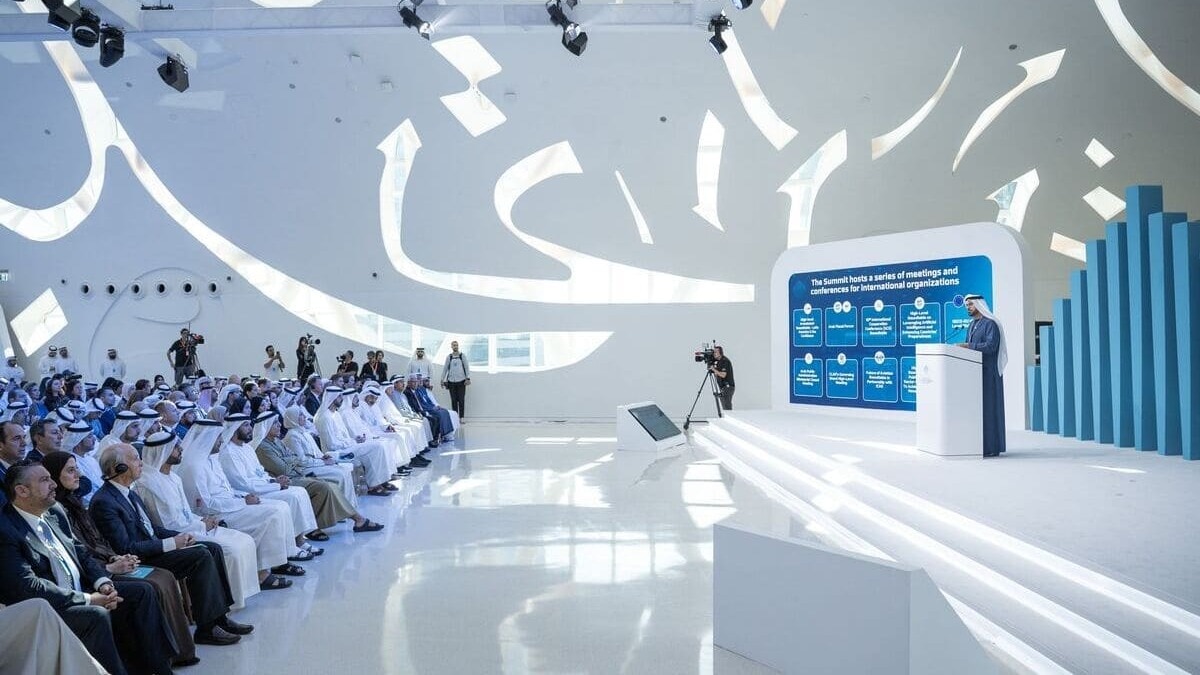
The new conditions pivot away from merely fiscal adjustments and dive directly into addressing long-standing governance flaws, entrenched corruption risks, and chronic elite capture within key economic sectors. (Representational image/X)
The Monetary Fund (IMF) has intensified its oversight of Pakistan’s beleaguered economy, imposing 11 new structural conditions on the nation’s ongoing $7 billion Extended Fund Facility (EFF) bailout programme. These fresh directives, revealed in the IMF’s staff-level report released on Thursday, elevate the total number of compliance requirements to a staggering 64 within an 18-month span, signalling the Fund’s determination to enforce deep, systemic changes before further tranches of the loan are released.
The new conditions pivot away from merely fiscal adjustments and dive directly into addressing long-standing governance flaws, entrenched corruption risks, and chronic elite capture within key economic sectors. This rigorous scrutiny stems from the IMF’s recent Governance and Corruption Diagnostic Assessment (GCDA), which highlighted deep structural deficiencies in Islamabad’s legal and administrative frameworks.
Targeting Corruption and Transparency
The most significant new directives centre on a severe crackdown on opacity within the state apparatus. A key requirement is the mandatory public disclosure of asset declarations for high-level federal civil servants on an official government website by December 2026, with the requirement later expanding to provincial officials. Furthermore, the IMF has instructed that banks must be granted full access to this data to identify discrepancies between declared income and actual assets.
In an effort to strengthen institutional integrity, Pakistan must release action plans by October 2026 to tackle corruption risks in 10 high-risk departments identified through internal assessments. These efforts are to be coordinated by the Accountability Bureau (NAB), and provincial anti-corruption bodies are to be strengthened with access to financial intelligence and the power to conduct independent investigations.
Dismantling Elite Capture and Tax Reforms
The IMF’s demands extend to economically and politically sensitive sectors long dominated by powerful interest groups. A major structural condition involves the liberalisation of the sugar market. By June 2026, federal and provincial administrations must agree on a national policy covering licensing, price controls, export/import permissions, and zoning rules—an explicit attempt to dismantle the concentrated influence of sugar cartels.
To stabilise public finances, the Federal Board of Revenue (FBR) faces a demanding overhaul. By the end of December 2025, Pakistan must finalise a detailed FBR reform roadmap, complete with Key Performance Indicators (KPIs), and fully implement reforms in at least three priority areas. The IMF has also warned that if revenue targets are missed by December 2025, the government must introduce a mini-budget, potentially including higher excise duties on products like fertilisers, pesticides, and high-value sugary goods.
Addressing Structural Weaknesses
Other new requirements address critical economic inefficiencies:
Power Sector: Preconditions must be set for private-sector participation in loss-making distribution companies like HESCO and SEPCO to curb the massive circular debt.
Cross-Border Payments: A comprehensive review of remittance costs and structural barriers affecting cross-border payments must be completed by May 2026.
Corporate Governance: Amendments to the Companies Act 2017 must be tabled to modernise corporate governance for unlisted firms.
The addition of these 11 new conditions brings the total compliance requirements to a monumental 64, significantly testing the government’s administrative capacity and political will to manage the resistance expected from powerful lobbies and bureaucratic inertia. Successful implementation, however, is considered essential for Pakistan to secure the remaining tranches of the $7 billion programme and negotiate a successor, longer-term bailout facility.
 Click here to add News18 as your preferred news source on Google.
First Published:
December 12, 2025, 18:36 IST
News world Reform, Reveal, Repeat: Pakistan’s $7 Billion IMF Bailout Now Comes With 64 Strings Attached
Disclaimer: Comments reflect users’ views, not News18’s. Please keep discussions respectful and constructive. Abusive, defamatory, or illegal comments will be removed. News18 may disable any comment at its discretion. By posting, you agree to our Terms of Use and Privacy Policy.
Read More