1 hour ago
Saudi Arabia extended the closure of Riyadh's main airport and moved schools online after a deadly missile attack. The Houthis renewed threats against Saudi airports as the escalation raised wider regional risks.
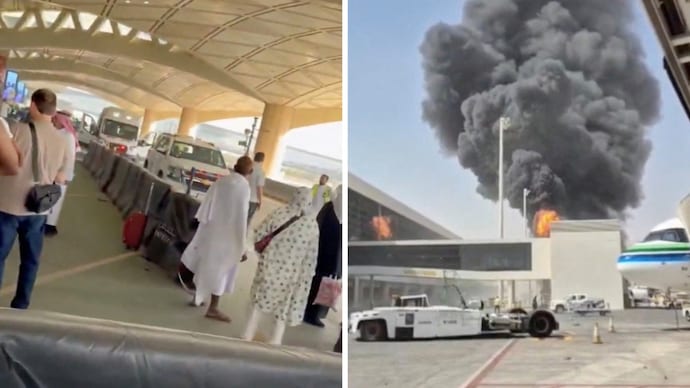
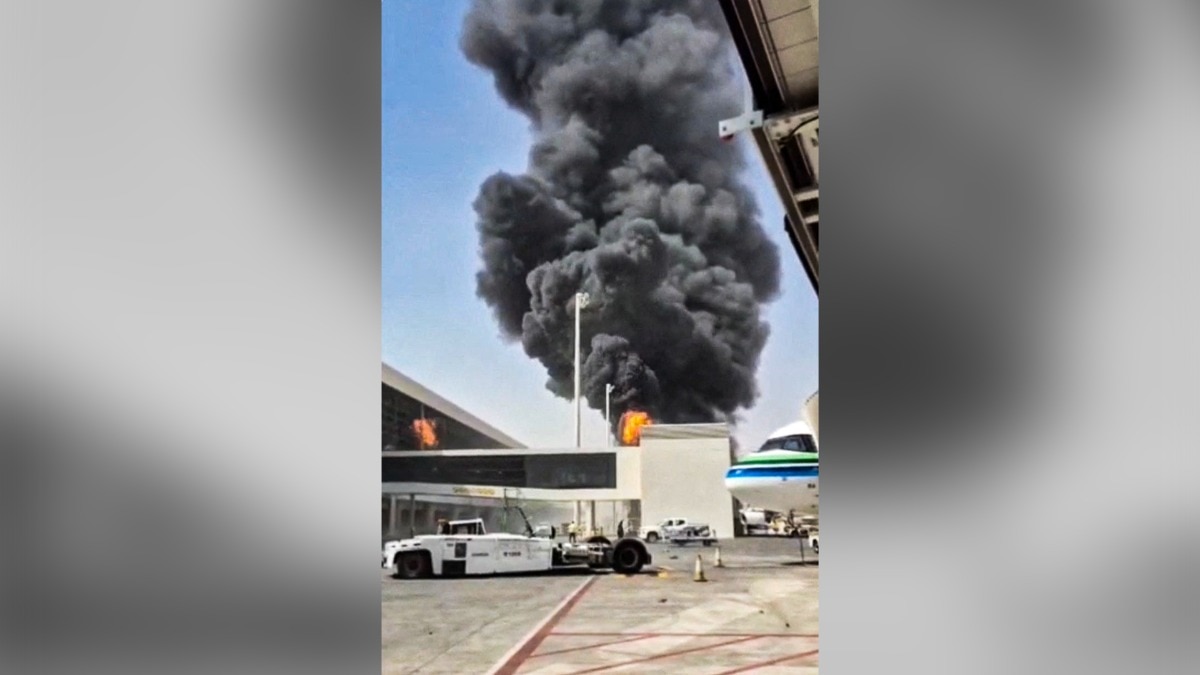
Saudi authorities extended the closure of King Khalid Airport. (Photo: Reuters)
After a deadly missile attack on Riyadh killed 12 people and injured more than 300, Saudi Arabia extended the closure of its main international airport and shifted schools in the capital to remote learning on Sunday as Yemen's Iran-backed Houthi rebels renewed threats to target airports and airspace across the kingdom.
The attack on Saturday at King Khalid Airport marked a significant escalation in the fighting between the Houthis and Saudi Arabia. It also added another complication to efforts to contain the wider US-Israeli war against Iran, with US President Donald Trump considering whether Washington should join Saudi military operations against the rebels.
SAUDI ARABIA SHIFTS SCHOOLS ONLINE
Saudi authorities extended the closure of King Khalid Airport until at least 9 PM (local time) on Sunday, according to flight-tracking service Flightradar24. The kingdom's civil aviation authority said airport operations had been temporarily suspended while officials assessed the damage and checked safety conditions. It did not specify when flights would resume.
Schools across Riyadh were also moved to remote learning from Sunday until Thursday. The directive applied to students, teachers and administrative staff, with parents notified that in-person classes would remain suspended during the period.
The restrictions came amid concerns that the airport could face further attacks. Saturday's strike was the third reported attack on Riyadh's international airport within a week, according to the information provided by Saudi authorities. Earlier attacks had killed four people and caused extensive damage to a Saudi commercial aircraft parked on the tarmac, underscoring the growing threat to the kingdom's aviation infrastructure.
The Saudi-led coalition also reported that a projectile had fallen near King Fahd Airport in Dammam, in the kingdom's Eastern Province, on Saturday. A drone was intercepted in the region on Sunday, the coalition said.
HOUTHIS WARN AIRLINES AND TRAVELLERS TO AVOID SAUDI AIRPORTS
The Houthis renewed their warning to airlines, airport employees and travellers on Sunday, urging them to stay away from Saudi airports and airspace, with the exception of facilities in the holy cities of Mecca and Medina.
"We renew our warning to all airlines, experts, employees, workers and travellers against using Saudi airports and airspace, as they are vulnerable to attack and have become a theatre of operations for our forces, with the exception of the airports in (the holy cities of) Mecca and Medina," the Houthis said in a post on X.
"We urge everyone to take our warnings seriously, and Saudi Arabia bears responsibility for any failed interceptions."
The group had not immediately claimed responsibility for Saturday's deadly airport attack. However, it has acknowledged targeting Saudi airports and oil installations and has threatened further strikes against the kingdom.
Brigadier General Yahya Saree, the Houthis' military spokesman, urged people to "take our warnings seriously". The Houthi-run foreign ministry also warned Riyadh against continuing its military campaign in Yemen, threatening a stronger response if Saudi Arabia maintained its operations and support for Yemeni government forces.
"Unless the Saudi enemy stops its aggression and interference in Yemen, worse is yet to come, God willing," the ministry said in statements carried by Houthi-run Al Masirah television.
SAUDI-HOUTHI CONFLICT THREATENS TO WIDEN
The latest escalation follows an increase in Saudi military involvement in Yemen in recent weeks. Riyadh has launched strikes against the Houthis and backed a counteroffensive by Yemen's internationally recognised government after the rebels seized strategic territory along the Red Sea coast last month. The confrontation has intensified the risk of the conflict spreading beyond Yemen, particularly as the wider war involving the US, Israel and Iran continues.
Trump said on Saturday that Washington was considering joining Saudi strikes against the Houthis, a move that could open another front in the regional conflict.
"We're going to look at it," he said. "We just found out about the recent attack. So we'll make a decision. We move very quickly."
Any US military intervention could further escalate the confrontation. The Houthis could retaliate by threatening shipping through a strategically important waterway, potentially disrupting the movement of oil from the Persian Gulf and adding pressure to global energy markets.
- Ends
With inputs from agencies