1 month ago
Last Updated:March 01, 2026, 13:14 IST
The revolution, which changed Iran from a monarchy under the Shah to an Islamic Republic led by Khomeini, sparked tension between Iran and the West that continues till date


Ayatollah Ruhollah Khomeini (left) and his successor Ayatollah Ali Khamenei. (AP File)
The death of supreme leader Ayatollah Ali Khamenei has marked the end of a key era in Iran which began after the Iranian Revolution of 1979.
The revolution, which changed Iran from a monarchy under the Shah to an Islamic Republic led by Ayatollah Ruhollah Khomeini, reshaped the Middle East and global politics, sparking tension between Iran and the West that continues till date.
HOW & WHY DID THE IRANIAN REVOLUTION BEGIN?
Shah Mohammad Reza Pahlavi, who ruled Iran as a king, was supported by the United States and other Western countries. His government was seen as corrupt, oppressive, and Westernised, which angered many Iranians.
The Triggers
The Shah’s secret police (SAVAK) arrested and tortured opponents.Many Iranians believed the Shah was abandoning Islamic values.Despite oil wealth, there was high unemployment and inequality.Ayatollah Ruhollah Khomeini, a Shia cleric, criticised the Shah and gained massive support.Protests started in late 1977 and grew into a mass movement. Millions of people marched in the streets, demanding the Shah step down.
THE SHAH GOES INTO EXILE
As the Islamic Revolution reached its peak, Shah Mohammad Reza Pahlavi went into exile on January 16, 1979. He flew to Aswan, Egypt, and then kept moving to Morocco, Bahamas, Mexico and United States (for cancer treatment), and Panama His presence in the U.S. in October 1979 triggered the Iran Hostage Crisis, as Iranian revolutionaries feared a U.S. plot to restore him.
He finally returned to Egypt, where he died on July 27, 1980, from cancer.
THE END OF THE REVOLUTION
On February 1, 1979, Khomeini returned to Iran from exile to a hero’s welcome. On February 11, 1979, the Shah’s government collapsed. Khomeini declared the formation of a new Islamic government. A referendum in April 1979 resulted in 98% voting in favor of forming an Islamic Republic.
Khomeini became the Supreme Leader, the highest authority in the new system based on Velayat-e Faqih (Guardianship of the Islamic Jurist).Iran became an Islamic Republic based on Shia Islamic law (Sharia), with an anti-Western, especially anti-American, government.THE 444-DAY HOSTAGE CRISIS
On November 4, 1979, a group of Iranian college students stormed the U.S. Embassy in Tehran, the capital of Iran. They took 52 American diplomats and citizens hostage, holding them for 444 days (till January 20, 1981).
The students were angry because the United States allowed the exiled Shah to enter the U.S. for medical treatment.
They believed the U.S. might help the Shah return to power and undo the 1979 Iranian Revolution, which had replaced the monarchy with an Islamic Republic under Ayatollah Khameini.
While women and African-American hostages were released earlier, 52 Americans remained in captivity until the very end. Hostages were released minutes after U.S. President Ronald Reagan was sworn into office, replacing President Jimmy Carter.
President Jimmy Carter had tried to negotiate a peaceful release. He had also ordered a military rescue mission in April 1980 (Operation Eagle Claw), but it failed tragically due to a helicopter crash in the Iranian desert — killing 8 American servicemen. The crisis severely damaged Carter’s popularity and helped lead to his defeat in the 1980 election.
The diplomatic ties between the US and Iran were cut in 1980 and have never fully been restored.
KHOMENEI TO KHAMENEI
Ayatollah Ruhollah Khomeini came was a Shi’a Muslim cleric and Islamic philosopher. He became known in the 1960s for openly criticising the Shah’s secular policies and Western influence in Iran. In 1963, he was arrested for opposing the Shah’s “White Revolution" reforms.
After his release, Khomeini was exiled in 1964 — first to Turkey, then Iraq, and finally France. In late 1978, massive protests erupted across Iran, demanding the Shah’s removal. The opposition united around Khomeini as a spiritual leader.
The revolution made Khomeini the Supreme Leader of Iran.
Ayatollah Ali Khamenei became the Supreme Leader of Iran on June 4, 1989, a day after the death of Ayatollah Ruhollah Khomeini.
ISRAEL & IRAN
During the Shah regime, Iran considered Israel its natural ally. In the initial years under Khomenei, too, Iran and Israel continued with their ties to counter the Iraqi government of Saddam Hussein. During the 1980-88 Iran-Iraq war, Israel reportedly sold arms worth $500 million annually to Iran.
However, after the 1991 Gulf War, Iran saw Israel as an occupier of Palestinian land. Iran even labelled Israel as “Little Satan", while the US was called the “Great Satan". Shia Iran wanted to be the power centre of West Asia, and started challenging Saudi Arabia, the Mecca of Sunni Islam.
The new Iranian government severed diplomatic ties with Israel, and the country began to support Palestinian and other anti-Israel movements actively. Iran also started supporting Shia Lebanese elements, which later took the shape of Hezbollah.
Iran’s nuclear programme, launched in the 1980s, became a flashpoint in the 1990s. It also led to the recent escalation by Israel.
THE RECENT ISRAEL-IRAN CONFLICT TIMELINE
June 13, 2025: Israel launches Operation Rising Lion targeting over 100 sites across Iran, including nuclear facilities (Natanz, Isfahan, Fordow), missile bases, and IRGC command centers. They are coordinated airstrikes by the Israeli Air Force, supported by Mossad-operated drones that disable Iranian air defenses and missile launchers. At least 224 Iranians are killed, primarily civilians.
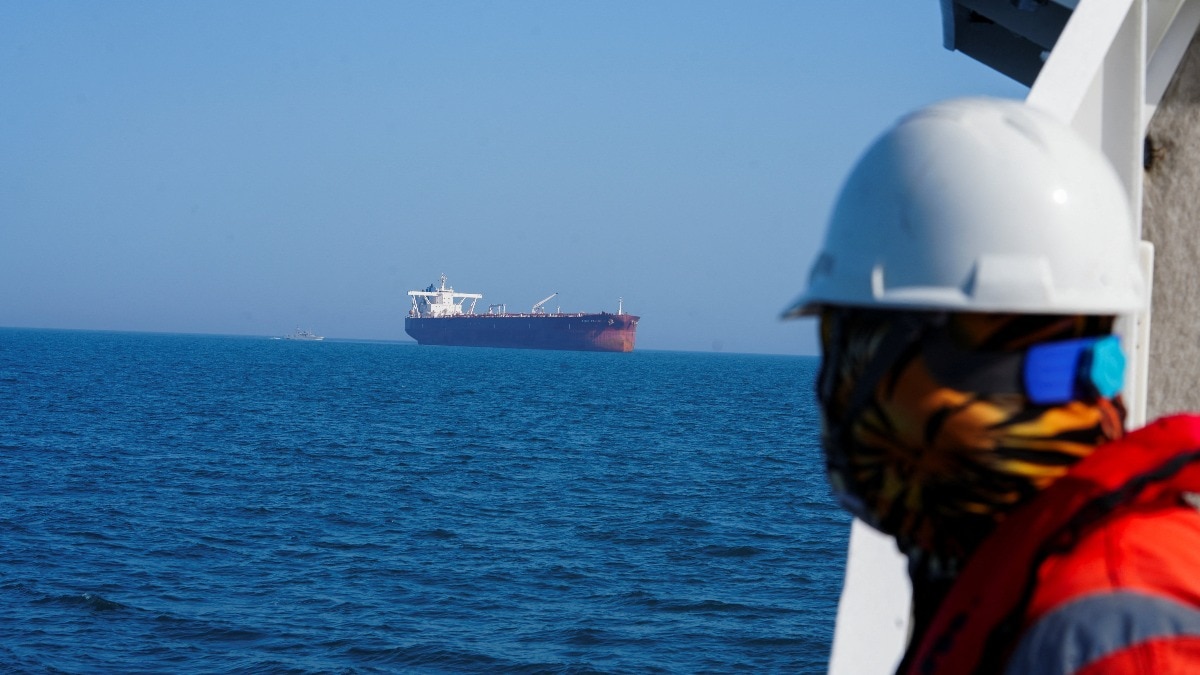
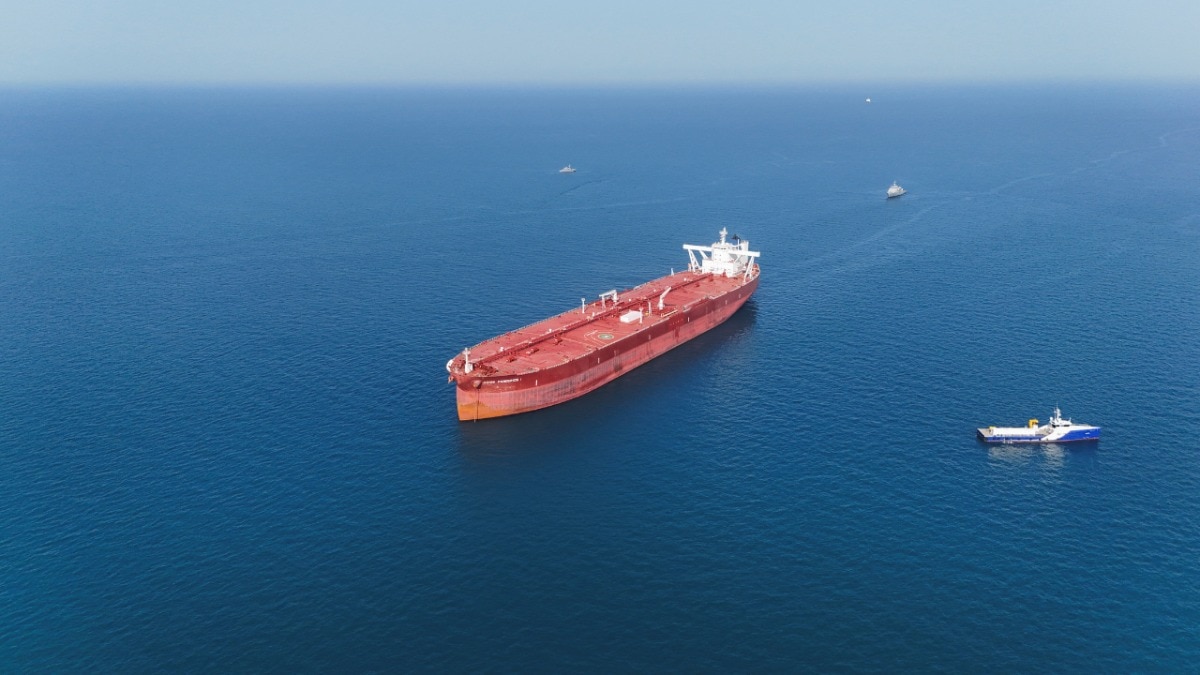
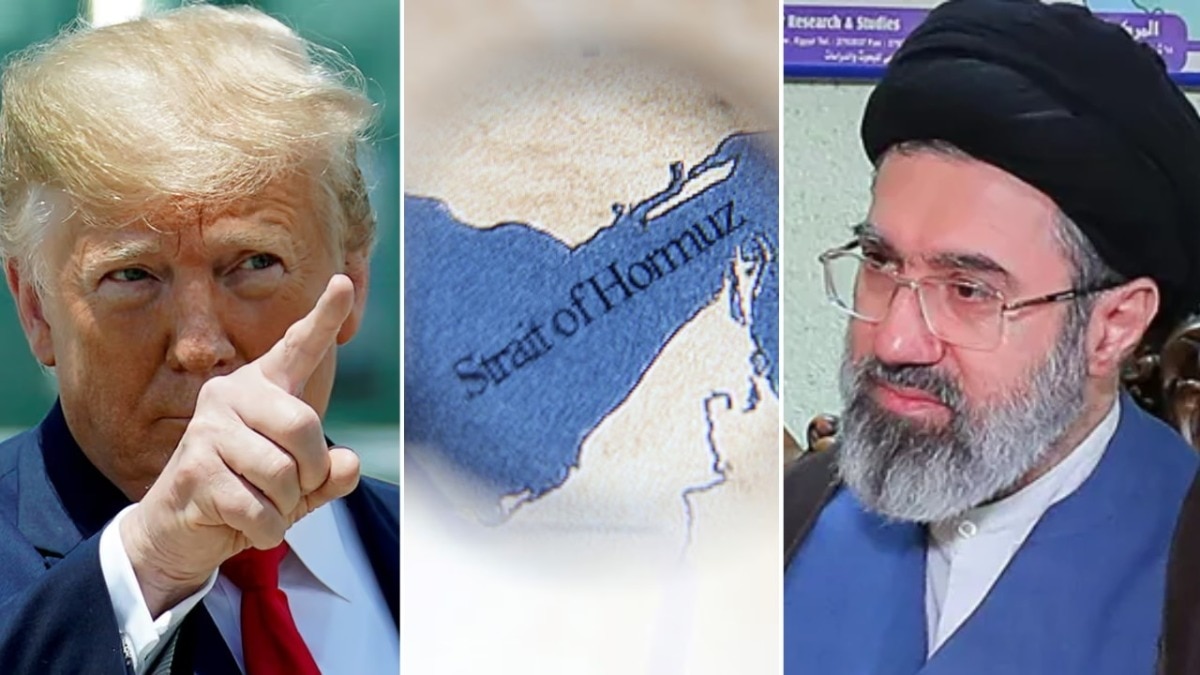
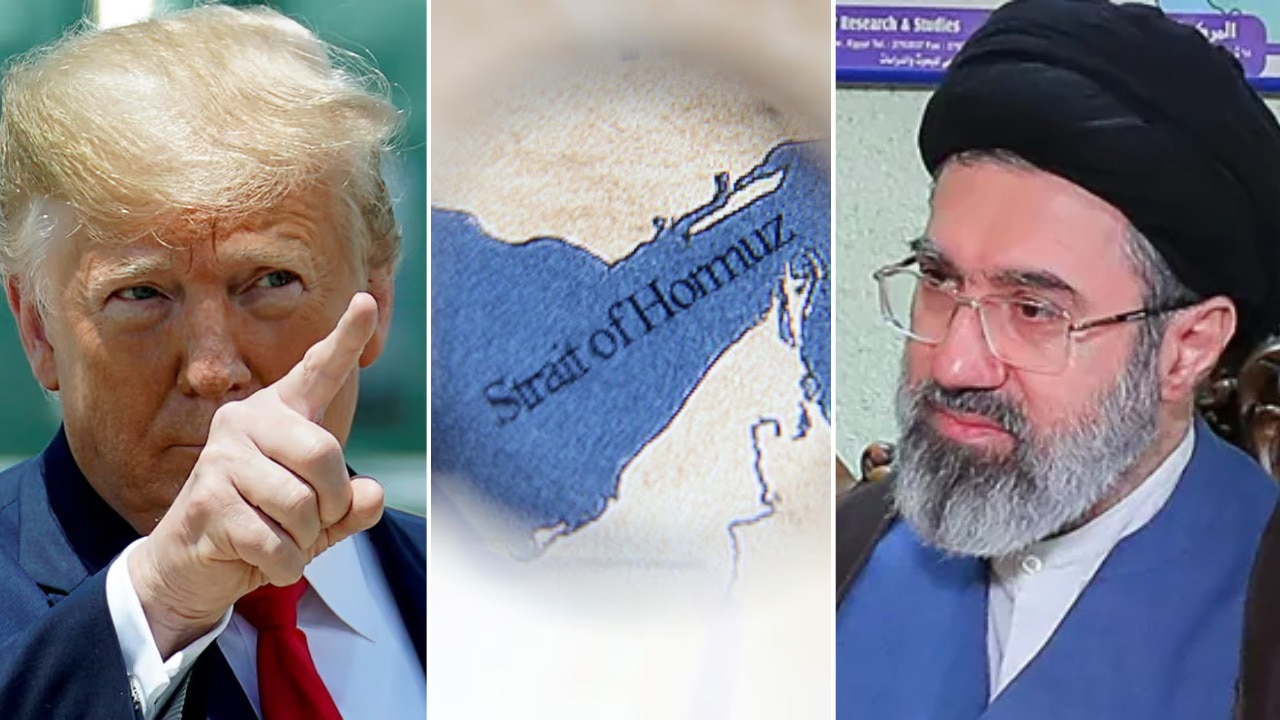
June 13: Khamenei vows revenge, saying Israel “opened its wicked and blood-stained hand to a crime in our beloved country, revealing its malicious nature more than ever by striking residential centers". Iran retaliates with its Operation True Promise III, firing over 150 ballistic missiles and 100 drones targeting Israeli military sites and residential areas in cities like Tel Aviv, Bat Yam, and Haifa. At least 24 Israelis are killed and 592 injured. Israel’s Iron Dome intercepts 80-90% of incoming projectiles. Oil prices surge due to fears of disruptions in the Strait of Hormuz, a critical oil shipping route.
June 13-16: Intensified Israeli airstrikes prompt mass evacuations from Tehran. Over 100,000 residents flee, causing severe traffic congestion, shortages of essentials, and internet disruptions. Iran does not issue a formal evacuation order but imposes temporary internet restrictions.
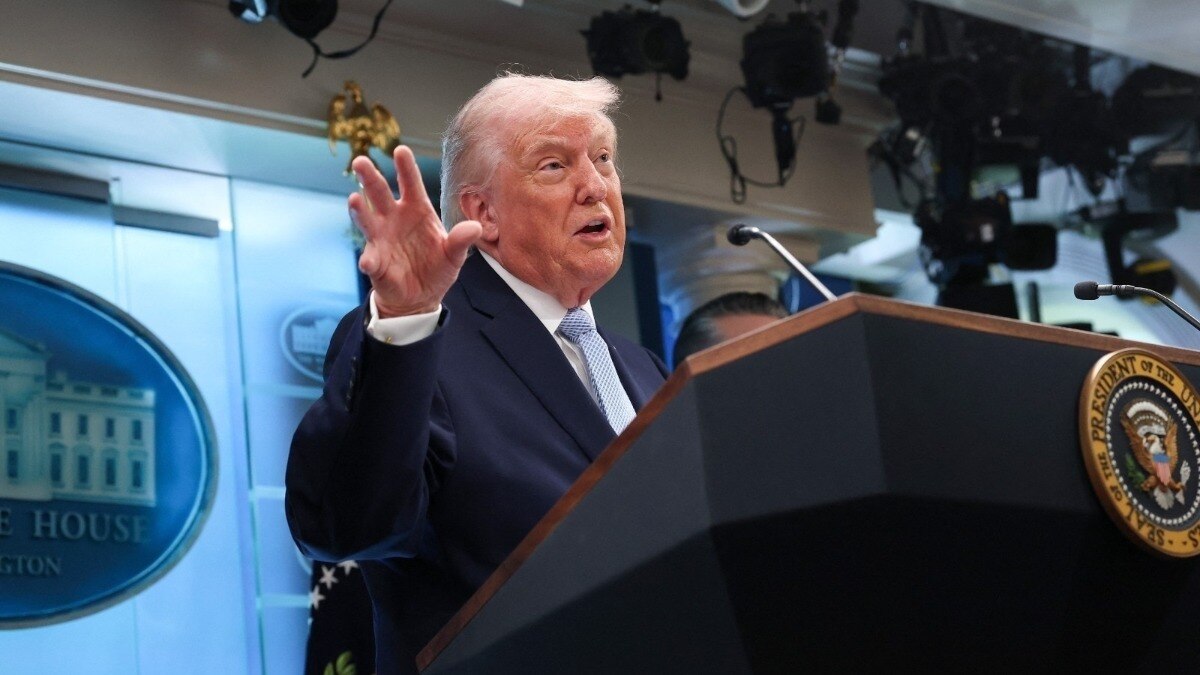
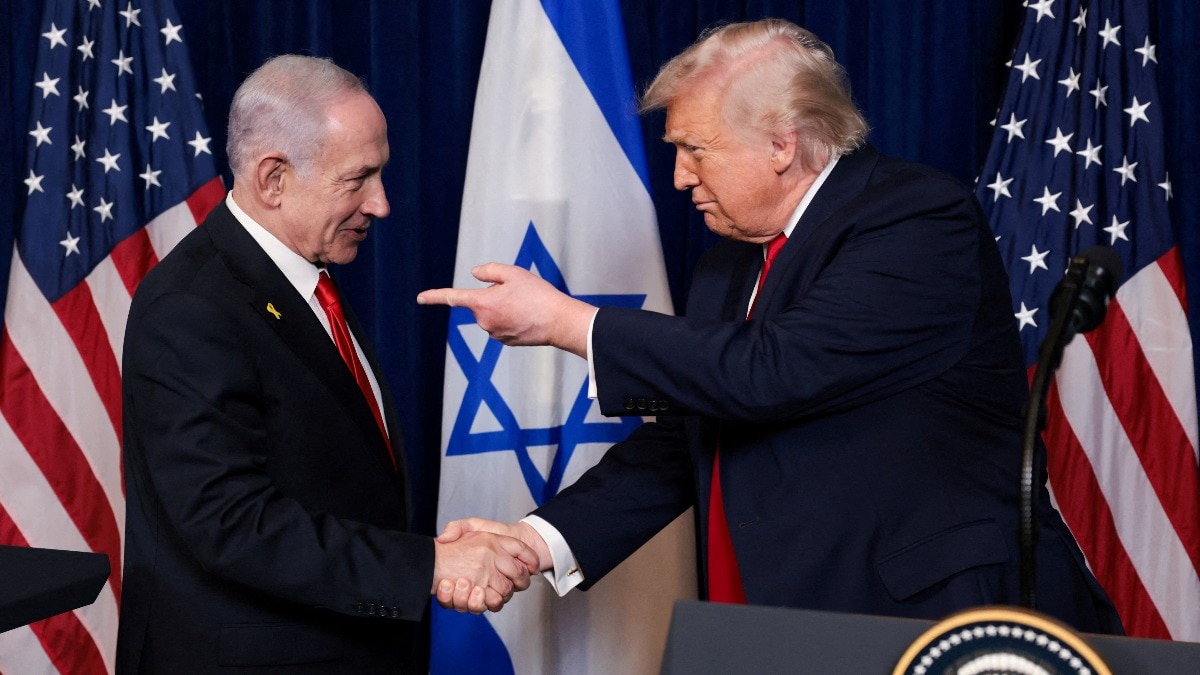
June 16: US President Donald Trump expresses support for Israel, suggesting potential U.S. involvement and urging Iran to negotiate. The United Nations, other international bodies and India call for restraint and protection of civilians.
June 21: The United States strikes Iranian nuclear facilities (Natanz, Isfahan, Fordow) as part of the conflict. Iranian retaliation continues, including launching missiles at a U.S. base in Qatar.
June 23–24: Ceasefire agreed and enters into effect under U.S. and Qatari mediation, effectively ending the Twelve-Day War.
June 24: Israeli Prime Minister Benjamin Netanyahu declares a “historic victory," saying Israel removed the Iranian nuclear threat and will remain vigilant.
Throughout July and August: Post-war environment remains fragile with occasional violations of the ceasefire; both sides continue intelligence, proxy, and diplomatic pressure.
October-December 2025: Tensions simmer as Iran reportedly accelerates its nuclear enrichment and missile rebuild efforts, raising concerns in Israel and the U.S. about renewed conflict.
Late December 2025: U.S. officials, including President Trump, threaten future military action over Iran’s internal repression and nuclear activity; diplomatic efforts persist alongside military planning.
February 28, 2026: Israel and the United States launch coordinated strikes against Iran, jointly described as “Operation Epic Fury" / “Roaring Lion", targeting missile sites, air defenses, nuclear infrastructure, and Iranian command facilities. The offensive rapidly escalates into widespread bombardment across Iran’s territory.
Iran’s Supreme Leader Ayatollah Ali Khamenei is killed. Iran responds with missile and drone strikes against Israeli cities and U.S. military bases in the region.
March 1: Israel conducts a new round of airstrikes on Iranian ballistic missile and air defense sites as part of the continuing campaign. UAE issues emergency alerts to residents amid regional missile and threat warnings linked to the conflict. Regional disruption of travel and further security alerts are reported amid tensions.
With Agency Inputs
First Published:
March 01, 2026, 13:09 IST
News explainers Shah To Khomeini To Khamenei: How Iran’s Islamic Revolution Reshaped Global Politics
Disclaimer: Comments reflect users’ views, not News18’s. Please keep discussions respectful and constructive. Abusive, defamatory, or illegal comments will be removed. News18 may disable any comment at its discretion. By posting, you agree to our Terms of Use and Privacy Policy.
Read More