1 month ago
Influencers are using reels of rubble, rallies and city life to show Iranian resilience amid war and internet curbs. With women at the centre, the posts recast Iran as a nation under attack, but not broken.
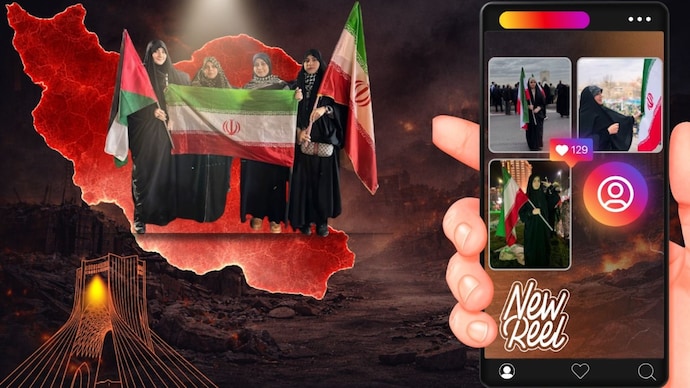
Representative image generated with AI
“I am an Iranian, and this is our program every night: defence of the country,” says a traditionally dressed woman in an Instagram reel, waving the flag of the Islamic Republic as she stands through the sunroof of a moving car in the heart of Tehran. It is well past midnight, yet the city seems unwilling to sleep in the midst of a war.
This is not an isolated moment. It operates on multiple layers: an attempt to counter stereotypes, a display of resilience, and, above all, an assertion of what was once threatened with destruction.
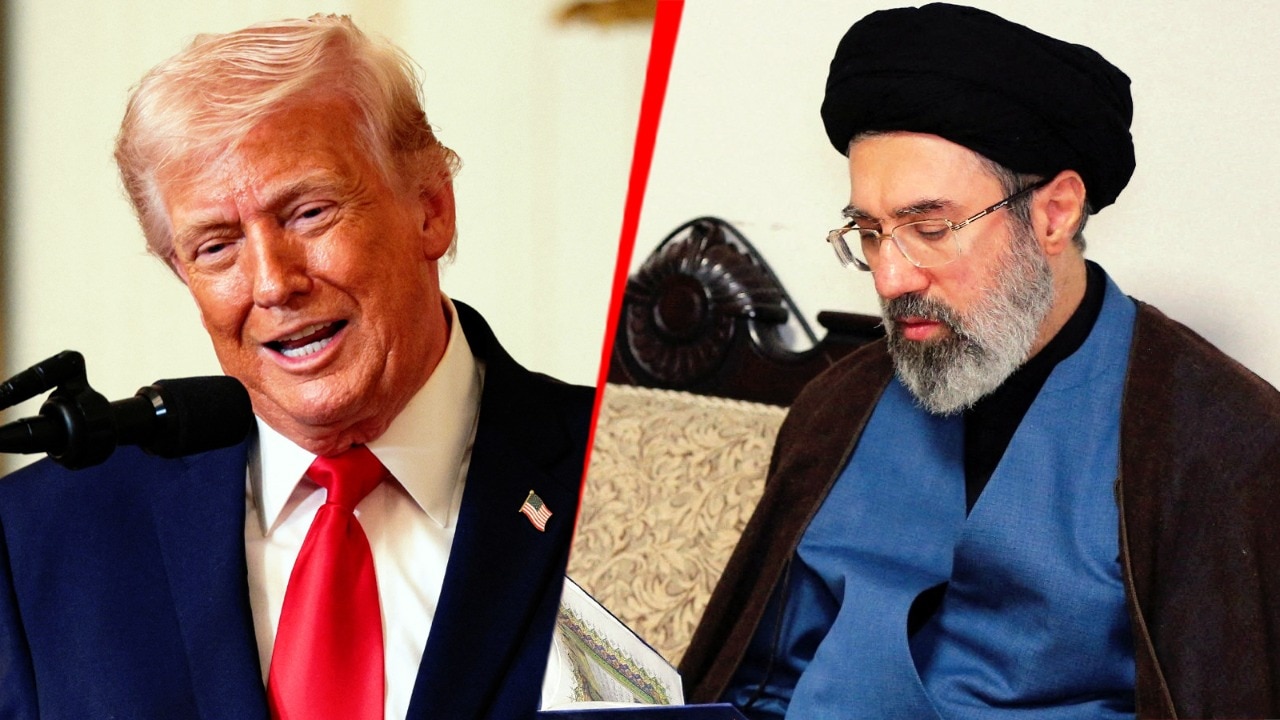
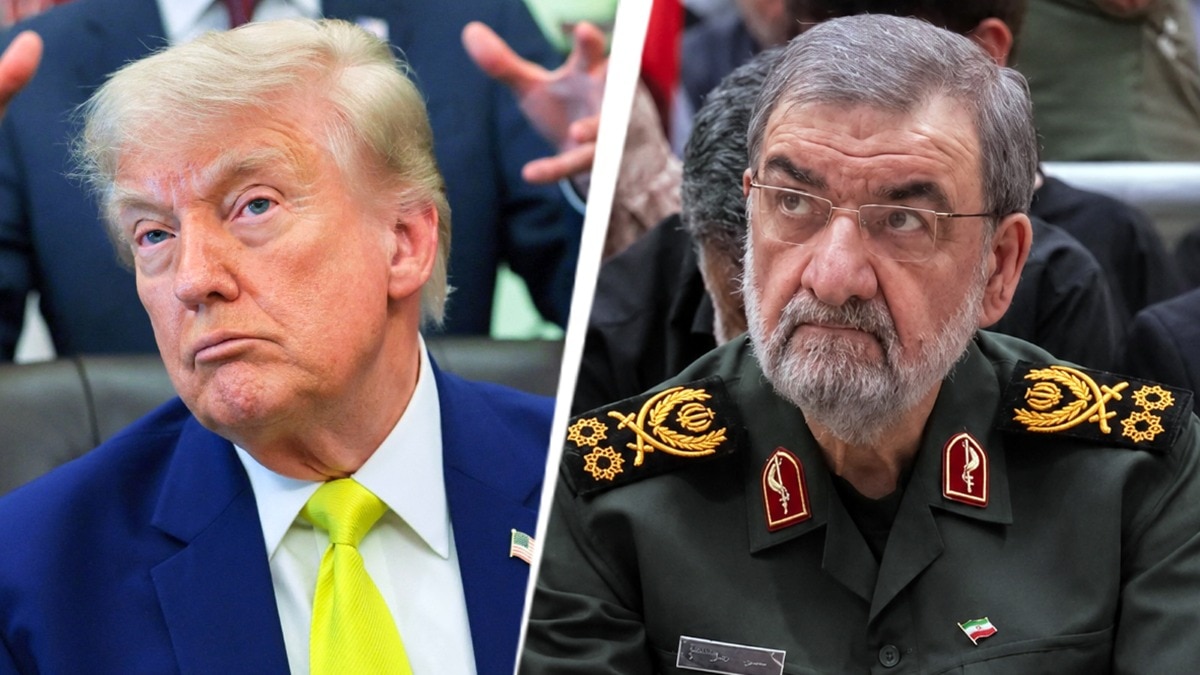
So when Trump warned that “a whole civilisation will die tonight, never to be brought back again,” he may have overlooked a critical reality. Deeply civilisational nation-states often exhibit a far higher tolerance for catastrophe and a stronger threshold for social breakdown, as societies rally not merely to defend a government of the moment, but to safeguard an enduring civilisational identity.
From the sprawling majesty of the Achaemenid and Sasanian empires, Iran, then widely known as Aryanam, flourished as a global cultural heartland whose influence often absorbed its conquerors, teaching even the Mongols and Arabs to speak, rule, and dream in Persian.
In the twentieth century, the Pahlavi dynasty’s rapid, secular modernisation sought to forge a Western-style powerhouse, only to be eclipsed by the 1979 Revolution and its turn toward conservative clerical rule. Yet beneath the surface of the Islamic Republic, the ancient Persian civilisational core remains indomitable. It is not that Tehran has not seen hardship; rather, it is that it has consistently endured and risen again.
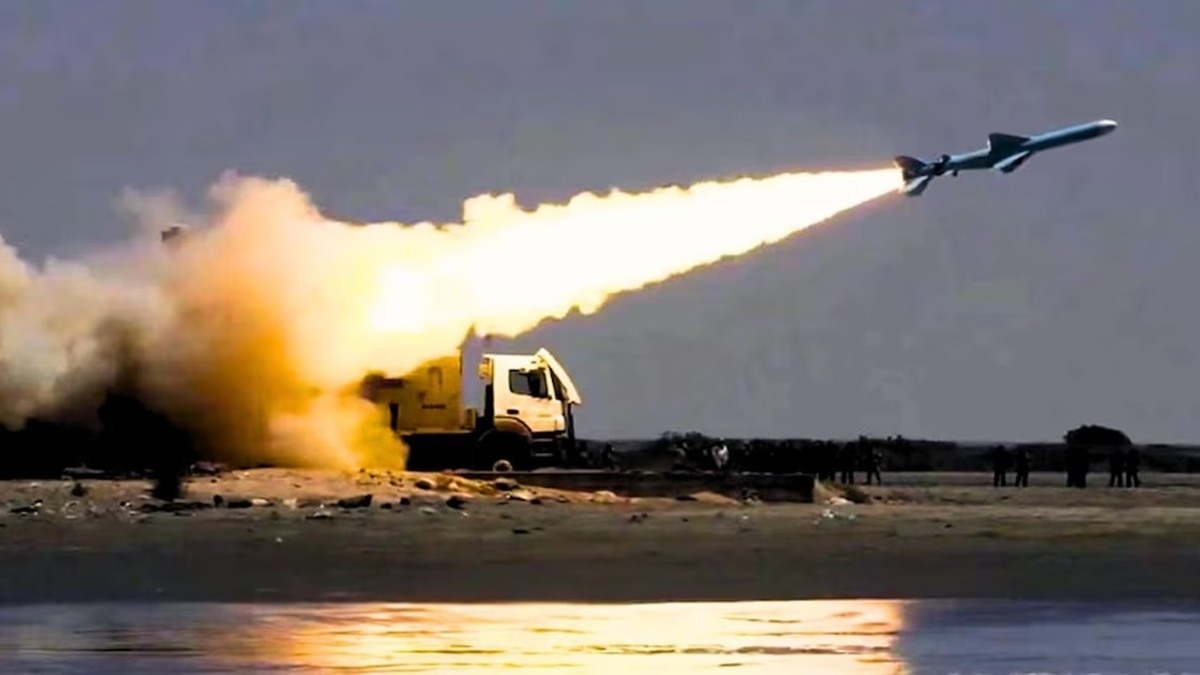
It is this continuity that now appears to echo in the digital space, when Iran is in the midst of a war with the US and Israel.
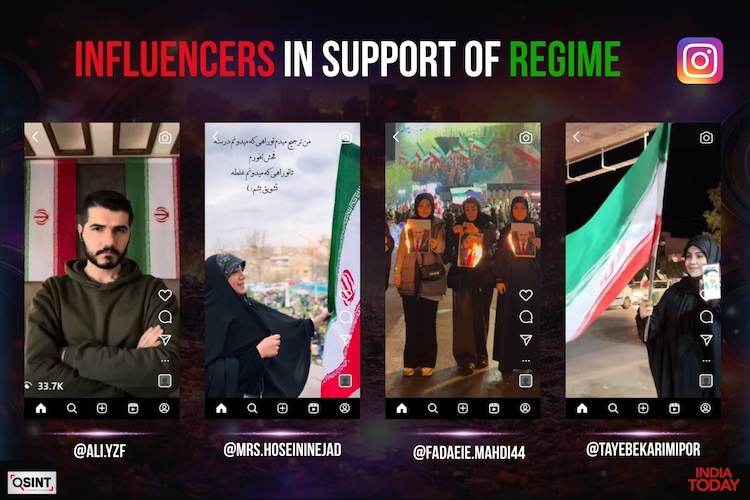
India Today’s Open Source Intelligence (OSINT) team tracked Instagram activity amid the West Asia conflict and found a surge in nationalistic posts from Iran-based accounts despite internet restrictions.
As per the internet monitoring platform, Netblocks, the internet shutdown in Iran has now entered its 49th day. connectivity remains low, around 2% of ordinary levels, despite some users gaining partial access.
Some creators continue posting reels, while many others, as observed, are simply absent. This does not by itself prove coordination, but it sharpens a central question: who still gets to be visible when a country goes dark?
At least 15 influencers were analysed, most of them women, including students, teachers, and bloggers with sizable followings. Their recent content reflects nationalism, Iranian civilisational identity, cultural pride, and resilience.
Several posts also feature tributes to Iranian leadership and visuals of rallies at night, pointing to a digitally driven narrative of unity emerging alongside the conflict.
What’s the content?
When Trump declared on April 1 that “we are going to bring them back to the Stone Age, where they belong,” it was not merely a country in crisis, already witnessing significant protests before the war, that responded. It was a civilisational force that resists reduction and continues to demonstrate resilience.
That is visible in the content emerging from Iran, a country with limited social media access.
“Habibi, come to Tehran.” That is how some of these reels begin. A woman speaks to the camera. A flag rises into the frame. A bike cuts through the streets near Azadi Tower. A car convoy rolls past, with women leaning out of windows, waving the Iranian flag.
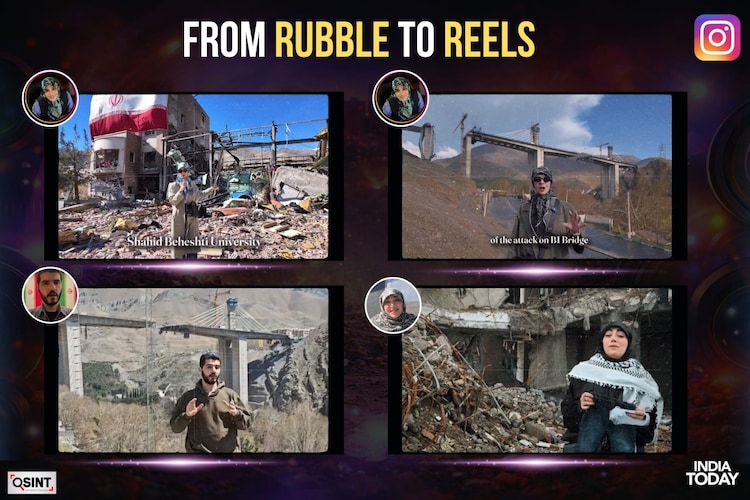
But in the very next frame, the reel cuts to rubble: broken concrete, the shell of a bridge, the ruins of a residential block, candles lit for the dead leaders. The content speaks to how civilisations endure pain to survive, and how they rise like a phoenix when pushed to the brink of being crushed.
India Today has identified several such accounts, different in content but united in fervour. One example is Zahi, the artist behind “zoha_handmade”, who has about 114,000 followers. Once known for handmade products, she now appears in street rallies, gathering women, raising slogans, carrying posters of Ayatollah Ali Khamenei, the slain Supreme Leader of the Islamic Republic, and paying tribute to those killed in the war.
In one English caption, Zahi writes, “Underestimate the people of Iran, you will drown in the flood of people who hate Zionism.”
Elsewhere, the reels move from protest to ruins. An Iranian woman, “mrs.hoseininejad” with roughly 38,000 followers, visited a residential site hit in the attacks and, on 2 April, posted a reel holding children’s clothes in front of the rubble, a simple but emotionally loaded image.
Another person, “ali.yzf,” went to the B1 Bridge site and posted on 3 April. India Today analysis shows the reel drew more than 736,000 views, making it the most-watched among his posts so far. The bridge in Karaj was indeed struck in early April, and outside reporting described it as a civilian bridge attack that reportedly killed civilians and injured some.
Then there is Fateme Khezri, who appears to have become active only after the war began. Presenting herself as a teacher and journalist, she moves between bombed sites and normal city life. One reel takes viewers through the B1 Bridge area, while another points to damage at Shahid Beheshti University, framing the strike as a “war crime” by the US and Israel. Outside reporting confirms that Shahid Beheshti University was hit in early April, with research facilities reportedly damaged.
Fateme’s feed does not remain in the ruins. She also films Tehran’s cafes, museums, and art spaces, presenting Iran not only as a country under attack, but a place still living.
In one reel near Azadi Tower, women ride through Tehran with a message about showing “the life of real women in Iran,” pushing back against the “perception” that Iranian women are not free. In these feeds, women hold flags, chant in rallies, paint their faces, distribute map stickers, and stand at strike sites, speaking directly into the camera.
And many of them do so in English
India Today has identified several creators, including three women, “fatmkhezri.official”, “etemady.mahdieh”, and “ksr.derakhshani”, who post in English. With a matching Western accent and striking questions like “Who is paying for this war?” The content appears crafted for a global audience
“Wondering when Iranians will give up? They never do.” Such messages are being spread following continuous threats from Trump.
- Ends
Published By:
bidisha saha
Published On:
Apr 17, 2026 18:02 IST