1 hour ago
Tehran's Gandhi Hospital, once a specialised children's medical centre, now lies in ruins after the Iran conflict, reduced to a war-scarred shell of concrete and twisted steel.
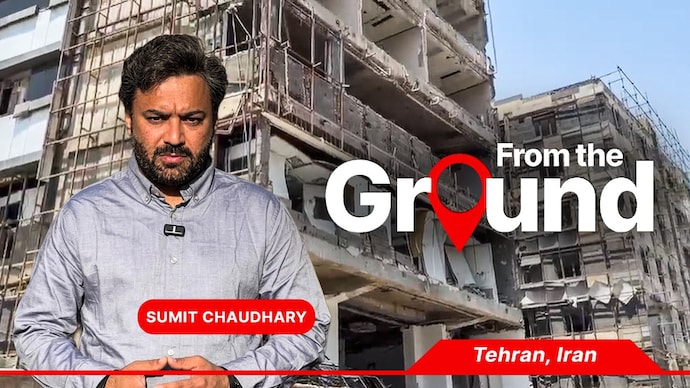
Collapsed walls expose hospital rooms to the open sky, windows have been blown out, ceilings have caved in and debris is strewn across what remains of the once-bustling medical facility.

Tehran,UPDATED: Jul 8, 2026 12:01 IST
The shattered remains of Tehran's Gandhi Hospital stand as one of the starkest reminders of the destruction left behind by the recent Iran conflict. Once a specialised children's hospital where doctors and nurses cared for young patients, the facility is now a skeletal shell of cracked concrete, twisted steel and shattered glass.
Located on Gandhi Street in Iran's capital, the semi-private hospital, named after Mahatma Gandhi, was among more than 430 hospitals in Tehran that were reportedly targeted during the conflict, and gained worldwide attention during the conflict after CCTV footage showed a nurse rushing to protect infants as explosions rocked the building.
Weeks later, the corridors that once echoed with hospital activity have fallen silent.
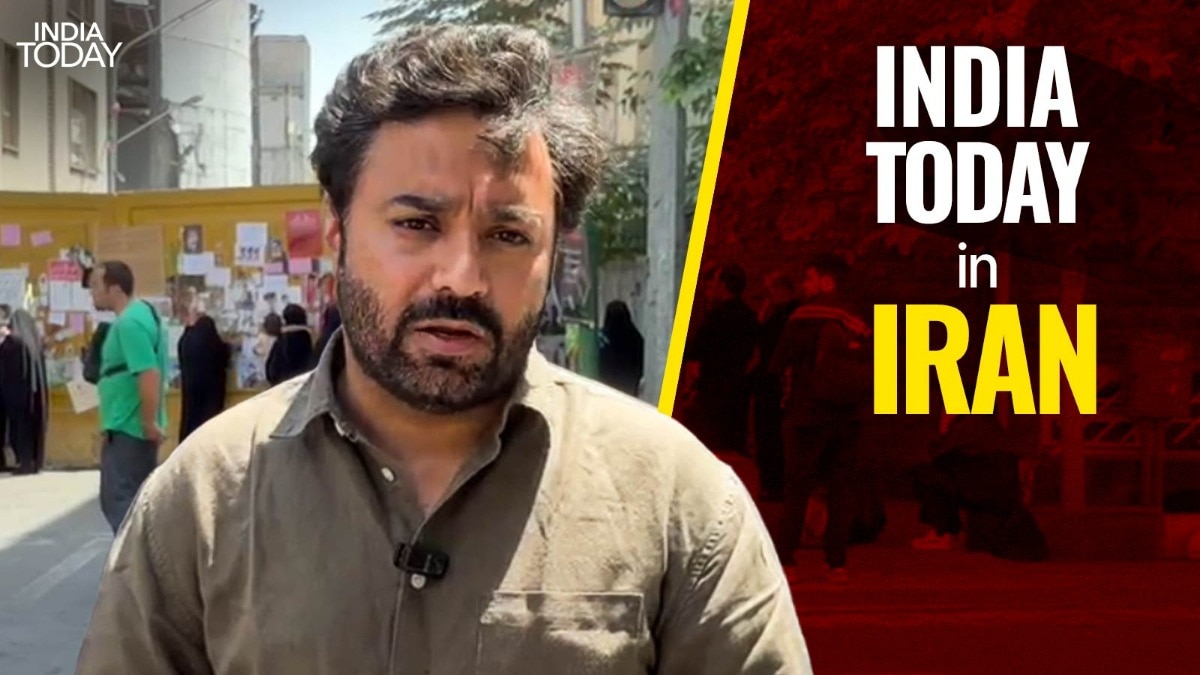
India Today's team, which is among the few Indian media crews reporting from the ground in Tehran and documenting the aftermath of the conflict, found large sections of the hospital reduced to ruins.
Collapsed walls expose hospital rooms to the open sky, windows have been blown out, ceilings have caved in and debris is strewn across what remains of the once-bustling medical facility.
The surrounding neighbourhood also bears the scars of the conflict. Residential buildings next to the hospital have suffered extensive damage, with partially collapsed structures, shattered facades and broken windows still visible.
Repair and restoration work is underway, but construction equipment and damaged buildings continue to dominate the streetscape, underscoring the long road to recovery.
The conflict between Iran and the United States erupted after Washington, in coordination with Israel, launched strikes on Iranian nuclear and military facilities on February 28, triggering weeks of retaliatory attacks that pushed the Middle East to the brink of a wider regional war.
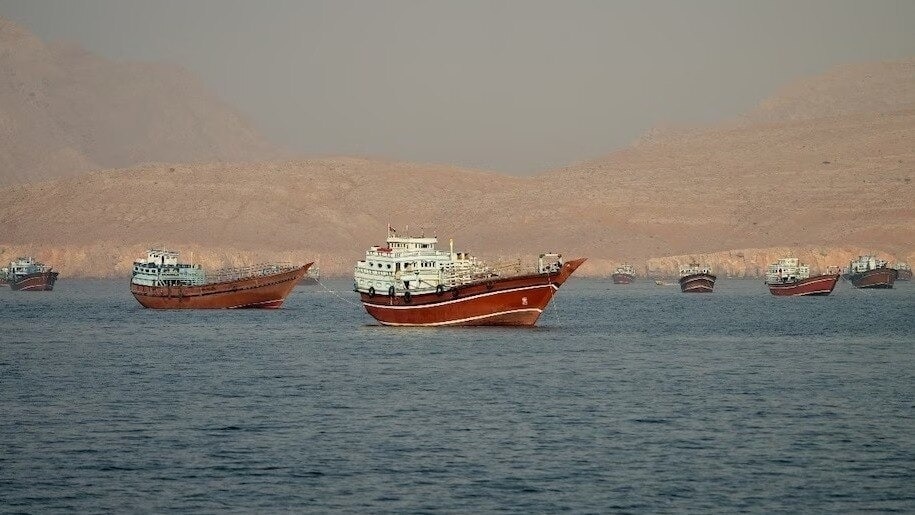
The escalation disrupted commercial shipping through the Strait of Hormuz, a vital global oil chokepoint, forced the closure of airspace across several countries, disrupted international flights and trade, and fuelled fears of a global energy shock.
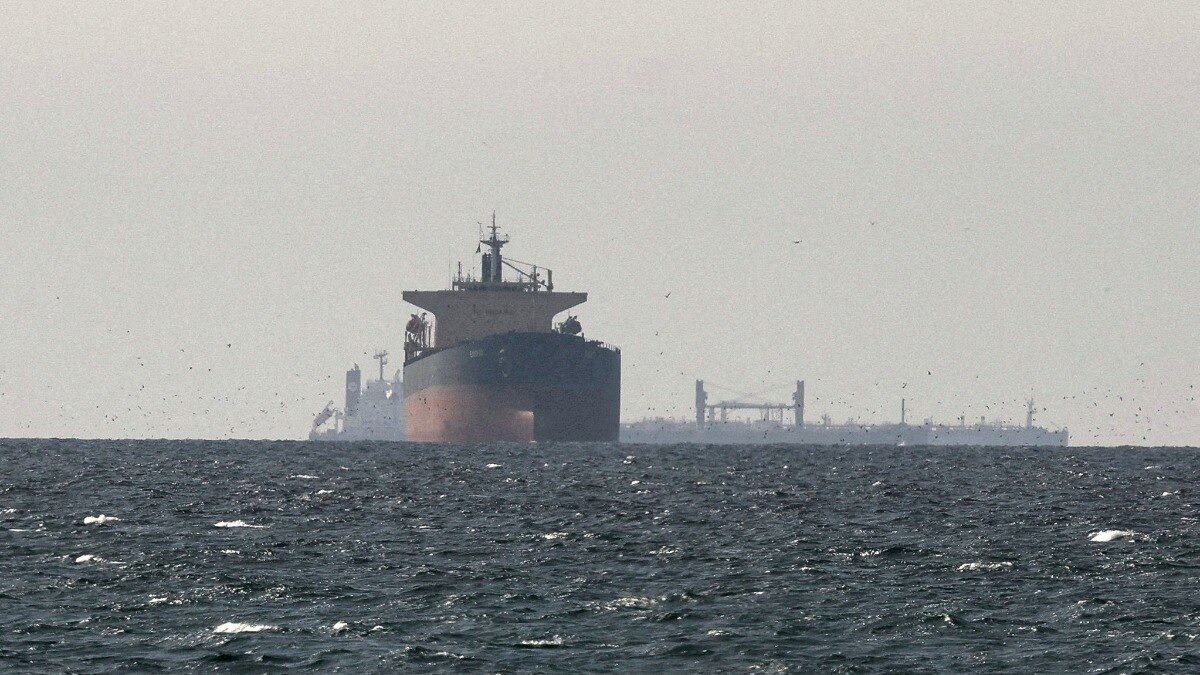
Even as parts of Tehran begin rebuilding, the conflict continues to escalate. On Tuesday, the United States launched another wave of strikes on Iran, saying it was responding to Tehran's attacks on three oil tankers in the Strait of Hormuz.
In a statement, the US Central Command (CENTCOM) said it hit more than 80 targets, including Iranian air defence systems, coastal radar sites, command-and-control networks and around 60 Islamic Revolutionary Guard Corps (IRGC) boats operating in and around the strategic waterway.
An American official told Axios that the overnight operation was "four or five times bigger in scope and power" than the US strikes conducted 10 days earlier. Washington said the operation was aimed at degrading Iran's ability to disrupt international shipping through the Strait of Hormuz, one of the world's most critical energy transit routes.
In a further escalation, the US revoked a 60-day licence that had allowed Iran to sell oil in US dollars under an interim peace arrangement. A US official said Tehran's actions in the Strait of Hormuz warranted consequences.
Iran condemned both moves, saying it would take all necessary measures to safeguard its national interests and security. Its foreign ministry called the revocation of the oil licence a violation of the interim agreement and accused the Trump administration of acting in "bad faith" and proving itself "inconsistent and unreliable."
Following the US strikes, Iranian President Masoud Pezeshkian reportedly returned to Iran from Iraq.
The attacks on three vessels in the Strait of Hormuz marked the highest number of such incidents in a single day since late April, according to the UN's Maritime Organisation. Qatar and Saudi Arabia also condemned the attacks, saying tankers linked to their countries had come under attack while transiting the waterway and blaming Iran.
The latest US operation came as Iran was observing the funeral ceremonies of its late Supreme Leader, Ayatollah Ali Khamenei, who was killed on February 28 during the opening phase of the US-Israeli military campaign.
- Ends
Published By:
Shipra Parashar
Published On:
Jul 8, 2026 11:58 IST