1 month ago
Last Updated:January 27, 2026, 12:05 IST
General Youxia, who until recently served as vice-chairman of the Central Military Commission---the body that controls PLA---faces “serious violations of discipline and law”

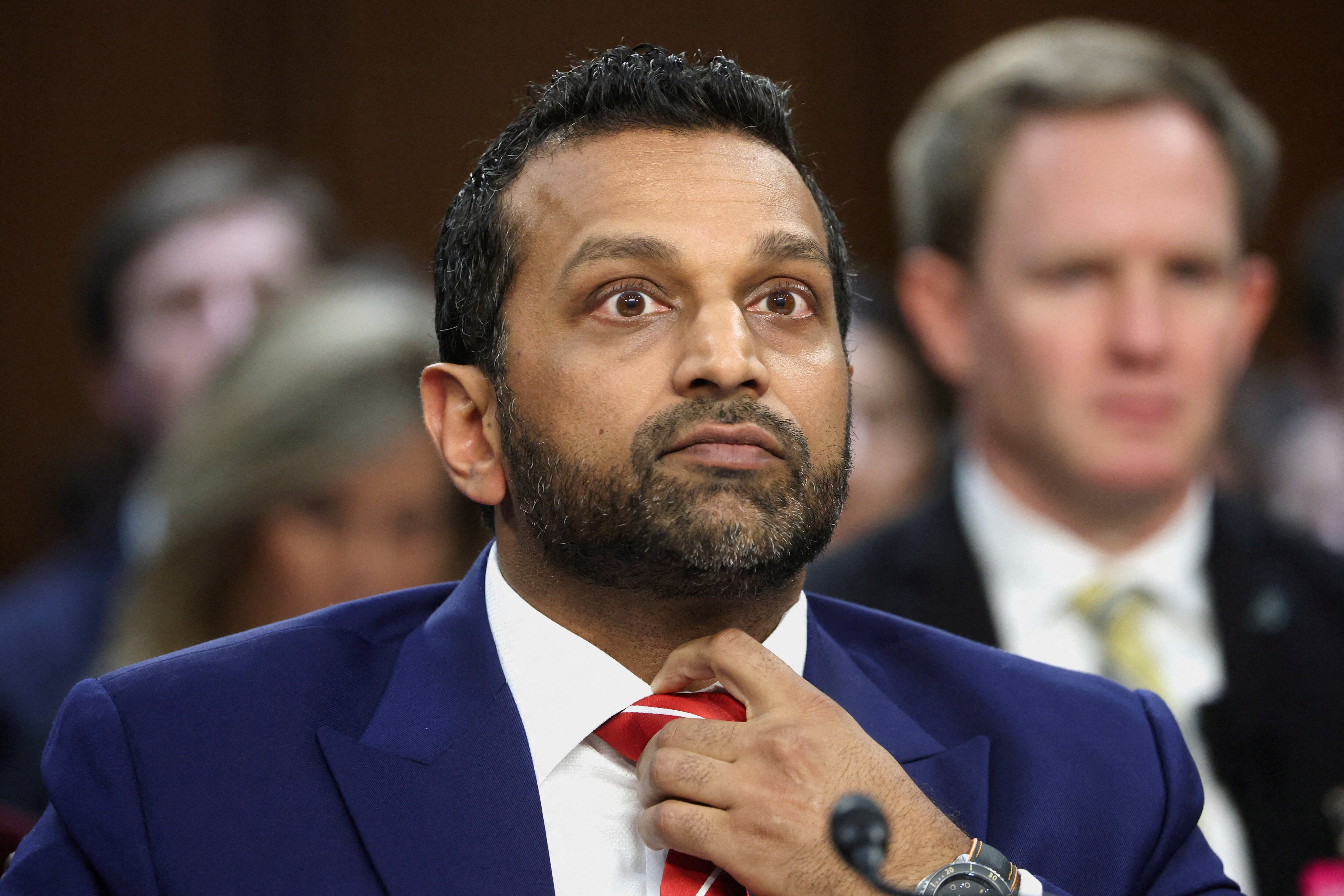
Apart from his military standing, Youxia was widely viewed as one of President Xi Jinping’s closest military allies. (AP)
China’s tightly controlled military establishment has been thrown into rare public turmoil after the investigation of General Zhang Youxia, one of the country’s most senior and influential officers. The move has triggered widespread speculation about internal power struggles within the People’s Liberation Army (PLA) and raised questions about how far President Xi Jinping is willing to go to consolidate control over the armed forces.
General Youxia, who until recently served as vice-chairman of the Central Military Commission (CMC)—the body that controls the People’s Liberation Army (PLA)—faces “serious violations of discipline and law", a phrase Chinese authorities typically use for corruption or political misconduct. What has compounded the issue is that another senior officer, General Liu Zhenli, chief of the CMC’s Joint Staff Department, is also under investigation. Together, their removal has left the CMC with just two remaining members, including President Xi Jinping.
The widening purge has been characterised as one of the most significant upheavals in China’s military leadership since the Cultural Revolution, with ripple effects within the PLA’s command structure and beyond.
Who Is Zhang Youxia And Why His Removal Matters
Apart from his military standing, Youxia was widely viewed as one of President Xi Jinping’s closest military allies. A veteran of earlier conflicts and a long-serving PLA commander, he was often seen as a stabilising professional presence in the military hierarchy and was respected inside and outside China for his battlefield experience and role in modernising the PLA.
Unlike many senior officers who were purged early in Xi’s tenure, Zhang had survived repeated anti-corruption sweeps and even been retained beyond normal retirement age, which was seen as evidence of Xi’s trust in him.
That he is now under investigation—and publicly so—indicates a dramatic shift in how Xi’s leadership is being consolidated. Analysts call this “unprecedented" not just because of Zhang’s rank, but because it signals that even top insiders are no longer insulated from scrutiny or removal.
What The Allegations Say
China’s official narrative frames the purge within the ongoing anti-corruption campaign that Xi has led since becoming China’s leader in 2012. Under this campaign, hundreds of thousands of officials, including senior military officers and those close to the President himself, have been disciplined, expelled, or prosecuted.
The defence ministry’s accusation of “serious violations" is typically a broad legal category encompassing corruption, bribery, misuse of office, or undermining party discipline. In Zhang’s case, some reports have hinted at allegations as diverse as corruption in procurement and the construction of influence networks within the PLA.
China’s official military newspaper, PLA Daily, went further in its editorial rhetoric, accusing Zhang and Liu of undermining the “chairman responsibility system"—essentially, the Communist Party’s absolute leadership over the military—and damaging political unity within the ranks.
Why Is There Uproar Over The Move?
What has alarmed observers is not just the corruption angle, but what this purge reveals about internal power dynamics at the highest levels of Chinese politics.
By removing even a once-trusted ally from the central military leadership, Xi appears to be tightening his grip on the armed forces ahead of the 2027 Communist Party Congress, where his continued authority is expected to be confirmed. Analysts see this as prioritising personal and party loyalty over longstanding professional relationships within the PLA.
Experts have also described the move as a clear signal that “nobody is safe", meaning top officials cannot rely on past service or personal ties to shield them from investigation if they fall out of favour with Xi or his inner circle.
The purge has dramatically thinned the senior ranks of the PLA’s command structure. With many of Zhang’s peers already removed, the crackdown may reduce internal debate and professional dissent within the military but it also raises questions about morale and continuity at a time of regional tensions.
Numerous analysts argue that aside from corruption, political motives, including eliminating potential rivals or alternative power bases, are central to the purge’s rationale. Zhang’s removal follows a period of factional realignment within the PLA and the broader Communist Party leadership, where loyalty to Xi’s strategic vision is increasingly decisive.
The investigation’s timing and scope also have broader implications.
Removing senior commanders can slow military reform and procurement processes, although Beijing insists that the PLA remains professionally capable and loyal.
Taiwan’s leadership and foreign governments are closely watching these developments. Some analysts believe the purge could temper China’s near-term military assertiveness, as leadership instability encourages caution.
Ultimately, the purge reinforces the Communist Party’s principle that the armed forces are under the party’s—and Xi’s—absolute control, a central tenet of Chinese political doctrine since the Civil War era.
Handpicked stories, in your inbox
A newsletter with the best of our journalism
First Published:
January 27, 2026, 12:05 IST
News world The Zhang Youxia Case: Why Xi Turned On His Own General & What It Means For China | Explained
Disclaimer: Comments reflect users’ views, not News18’s. Please keep discussions respectful and constructive. Abusive, defamatory, or illegal comments will be removed. News18 may disable any comment at its discretion. By posting, you agree to our Terms of Use and Privacy Policy.
Read More