1 month ago

UPDATED: Jan 13, 2026 22:05 IST
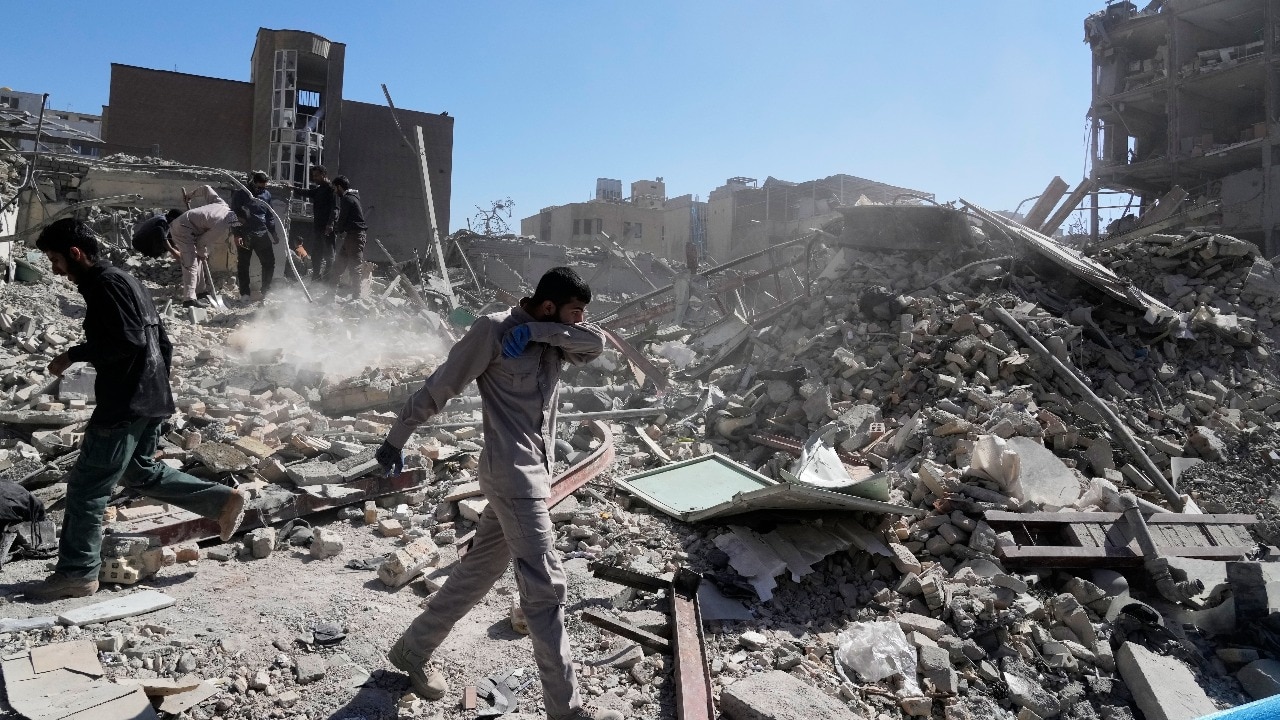
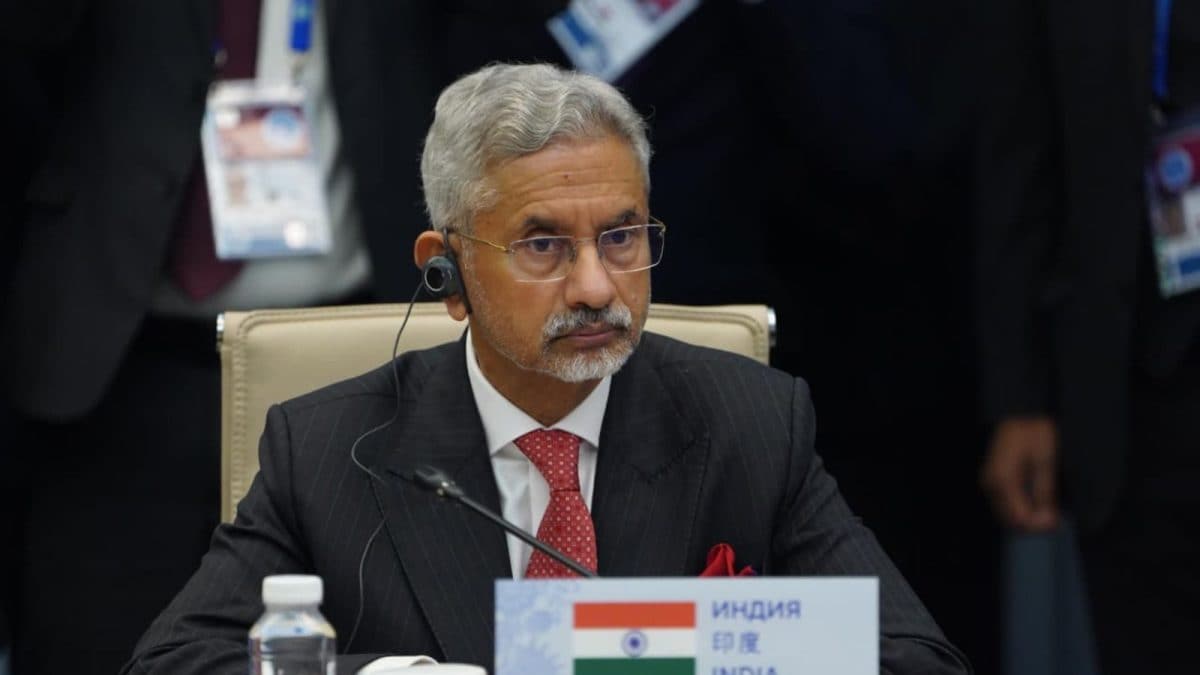
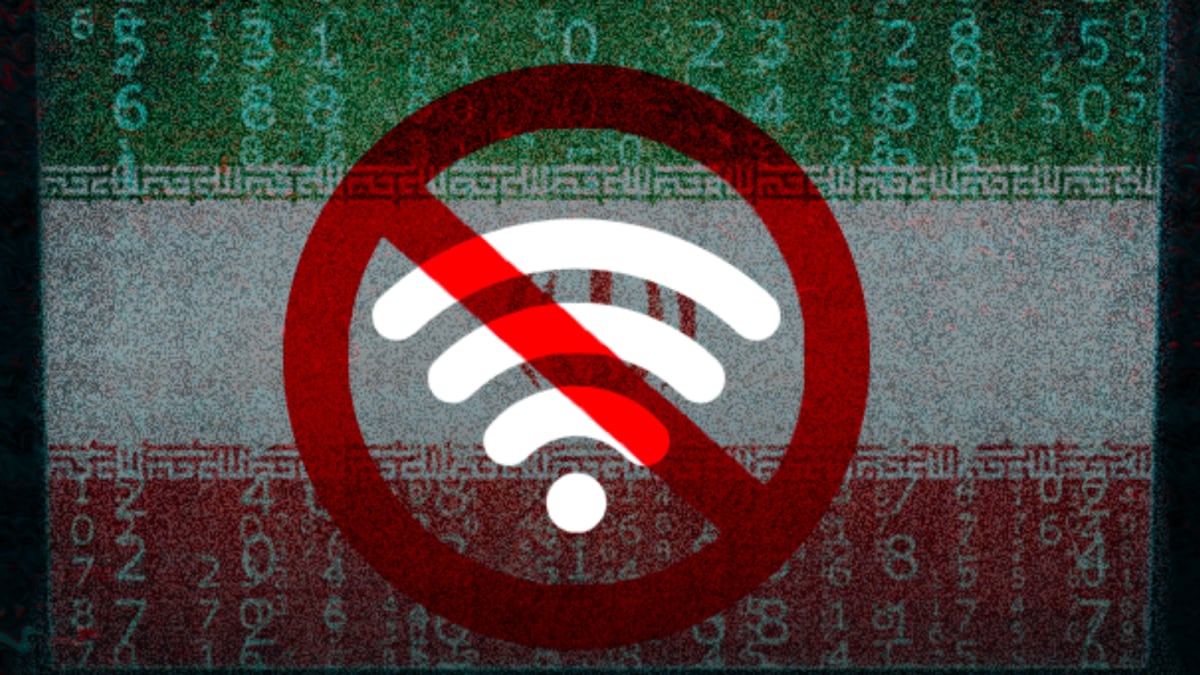
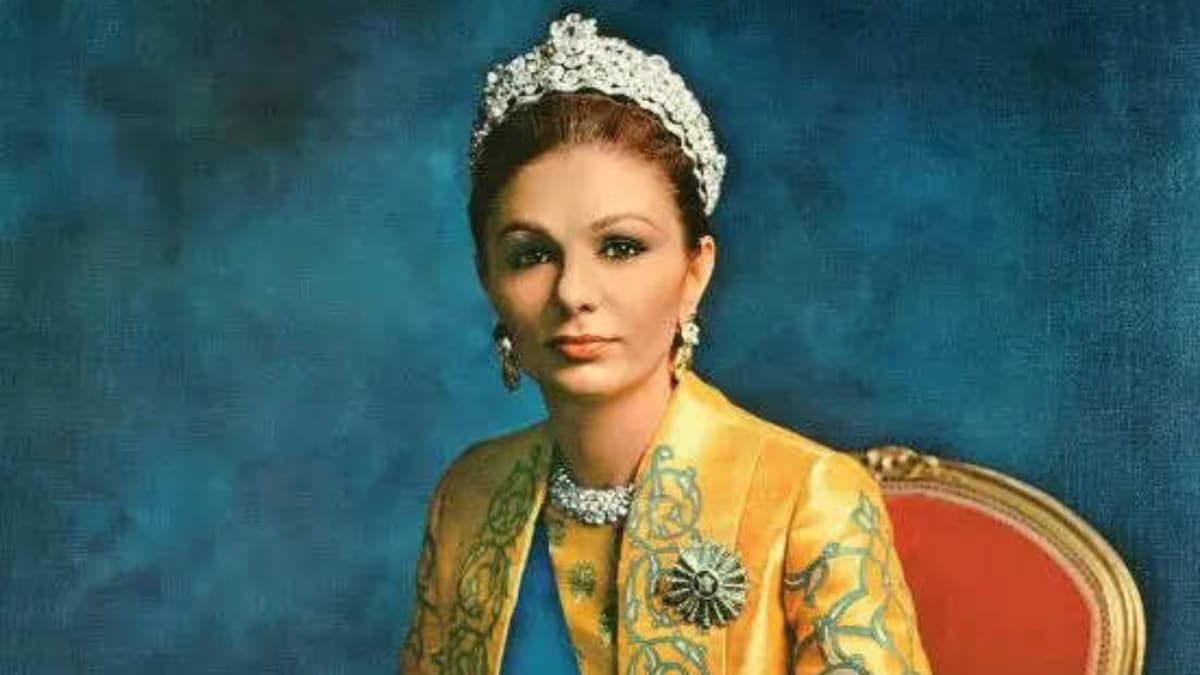
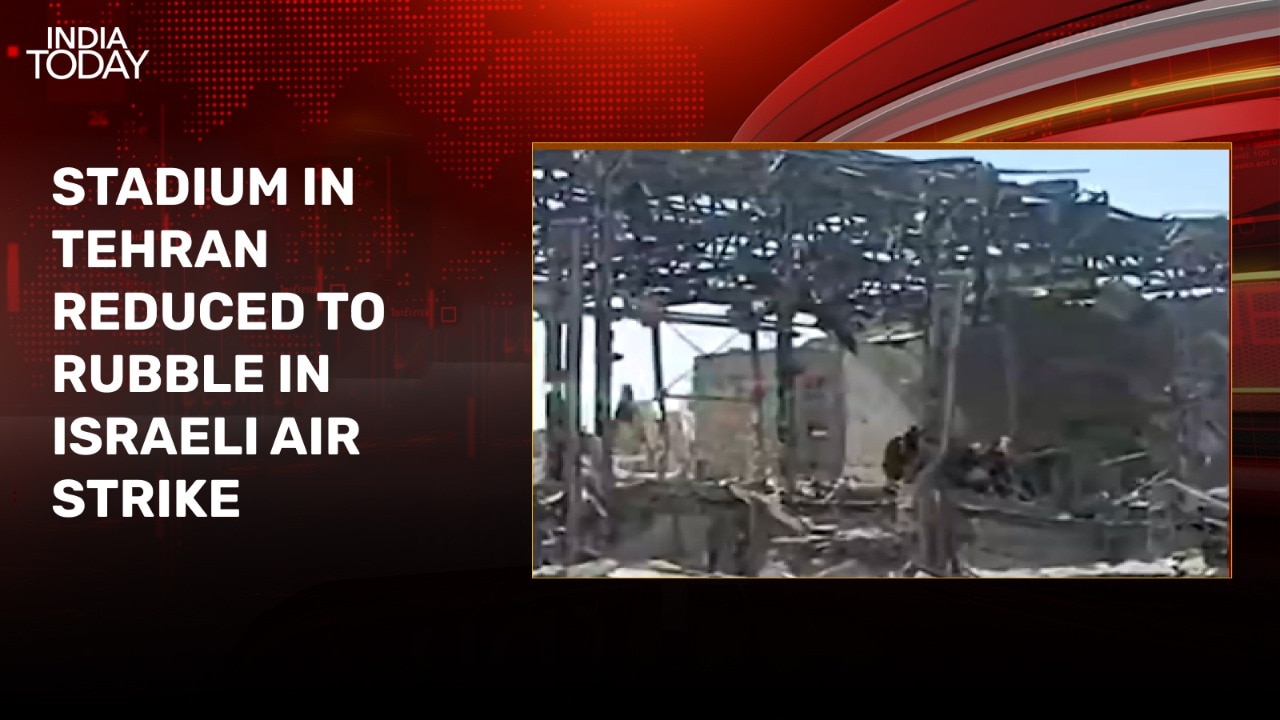
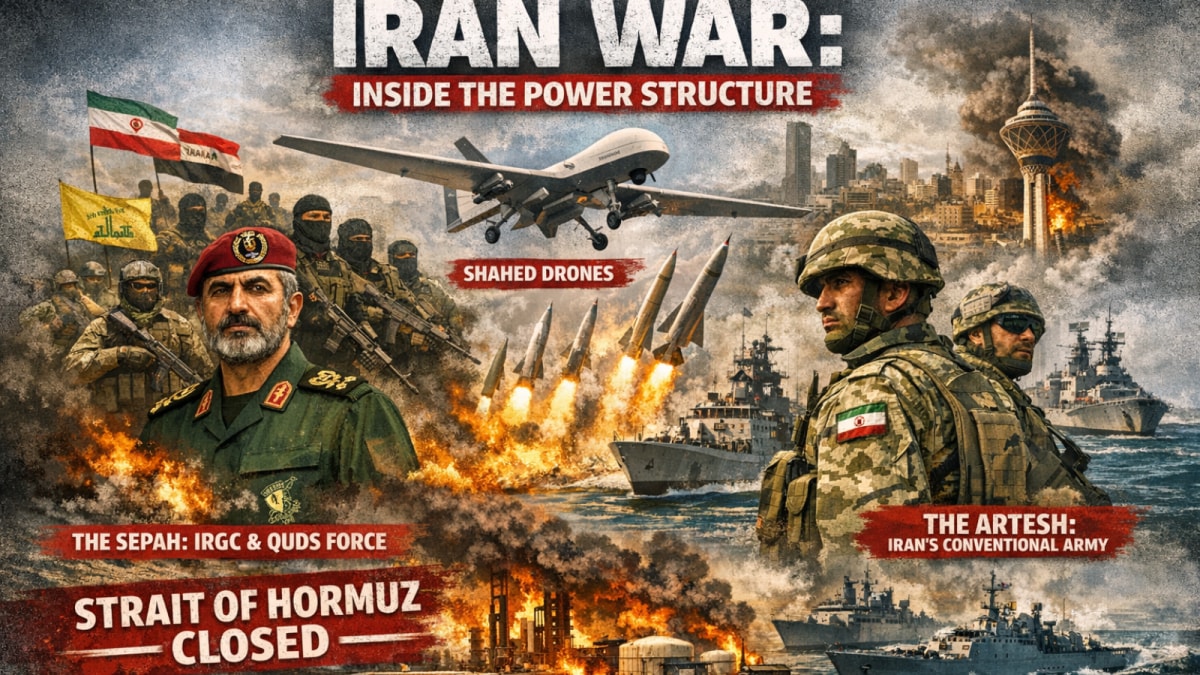
In an exclusive interview with India Today, former US Security Advisor John Bolton discusses the escalating tensions between the United States and Iran. Bolton asserts that the 'threat of military force is real', noting that previous strikes on Iran's nuclear program did not result in the predicted regional turmoil. He further says 'regime change should be the objective' for President Donald Trump, suggesting targeted strikes on the Revolutionary Guard and nuclear facilities. Bolton also addresses the potential economic impact on India, mentioning Trump's threat of a 25% tariff on countries trading with Iran, which could raise total tariffs for India to 75%. He describes Trump's foreign policy as 'transactional' and 'episodic', lacking a grand strategy. Furthermore, Bolton discusses the internal instability in Tehran, claiming the regime is at its weakest point since 1979 and that the 'regime's days are numbered' as protests intensify across the country.
Read More
VIDEOS FROM OTHER SECTIONS
LATEST VIDEOS
Do-or-Die for Thackerays? Rajdeep Sardesai on Sena Split, Shinde Challenge & BMC Stakes | BMC Polls
On this India Today special report, Consulting Editor Rajdeep Sardesai and a panel of experts analyse the high-stakes political realignment in Maharashtra. Sardesai notes, 'For the Thackeray brothers this is truly a do or die battle,' questioning whether the cousins coming together after 20 years can protect the Thackeray brand from Eknath Shinde’s claim. The discussion highlights the existential challenge facing the Shiv Sena (UBT) as they attempt to retain their Mumbai citadel. Psephologist Yashwant Deshmukh points out that the focus on the 'Marathi Manus' and Raj Thackeray’s aggressive rhetoric may alienate non-Marathi and Muslim voters, potentially backfiring in a demographically altered Mumbai. The panel further explores how voter turnout in BMC elections historically impacts the BJP and Shiv Sena's seat shares. With the 2024 Lok Sabha results as a backdrop, the experts debate if this 'counter-polarisation' will save the political careers of the Thackeray cousins or further consolidate the Mahayuti alliance's position in the state's capital.
Yashwant Deshmukh: 'BJP Is The Biggest Party Of Marathi Voters For The Last 11 Years' | BMC Polls
On this Special Report, the focus is on the shifting political landscape of Mumbai and the relevance of 'Brand Thackeray' in upcoming BMC elections. Yashwant Deshmukh, Founder and Director of CVoter, highlights that 'BJP is the biggest party of the Marathi voters for the last 11 years', challenging the premise that the Marathi vote remains an exclusive domain of the Shiv Sena. The discussion, moderated by Preeti Choudhry, examines a snap poll suggesting that while Uddhav and Raj Thackeray are seen as the rightful inheritors of Bal Thackeray's legacy, the brand's influence may be diluting. Panelists including Shankar Aiyar and Sudhir Suryawanshi debate the rise of Devendra Fadnavis as a dominant Marathi leader and the impact of changing city demographics on voter turnout. The programme explores whether the 'Mamu' factor—a combination of Marathi and Muslim votes—can counter the BJP's structural strength and resourcefulness in the high-stakes battle for Mumbai's civic body.
Rajdeep Sardesai Outlines 5 Key Factors For Crucial BMC Election Outcome |What Will Define BMC Polls
On this special report, India Today’s consulting editor Rajdeep Sardesai joins a panel of experts to analyse the upcoming Brihanmumbai Municipal Corporation (BMC) elections. Sardesai identifies five critical 'X-factors' that will determine the results of India's richest civic body. He notes, 'It is the localization of elections versus the attempt to make this about a national narrative that I think is important'. The discussion highlights the shifting demographics of Mumbai, where the Marathi-speaking population now stands at approximately 32-34 percent. Sardesai also examines the 'Fadnavis factor', noting that Devendra Fadnavis has positioned himself as the face of development for the city. The panel further explores the 'Mamu factor'—a consolidation of Marathi and Muslim votes—and how the split within the Shiv Sena might impact the traditional Marathi vote bank. The programme provides a deep dive into the political mathematics following the 2017 results, where the BJP and an undivided Shiv Sena were neck-and-neck.
BMC Elections Explained: 5 Key Factors That Will Decide Mumbai’s Power Battle | Battle for BMC
This special report examines the high-stakes Brihan Mumbai Municipal Corporation (BMC) elections, occurring after an eight-year hiatus. An unidentified speaker asserts, 'I tell the BJP that all the true BJP supporters who truly love Marathi, Maharashtra and Hindutva are with us,' highlighting the intense battle over ideology and identity. The report identifies five critical factors influencing the outcome: voter turnout patterns, the consolidation versus fragmentation of Marathi votes, the sharpening Hindutva narrative, the 'triple engine' governance pitch, and the dynamics of minority and opposition vote splits. With Mumbai serving as India's financial nerve centre, the contest between the BJP-Shinde Sena alliance and the opposition focuses on infrastructure, political stability, and cultural assertion. The analysis explores how these fault lines will determine who governs the country's richest civic body.