 1 hour ago
Donald Trump hosted Iraq Prime Minister Ali al-Zaidi at the White House for talks on militias and energy. The meeting tests Baghdad's ability to curb Iran-backed groups while deepening US investment ties.

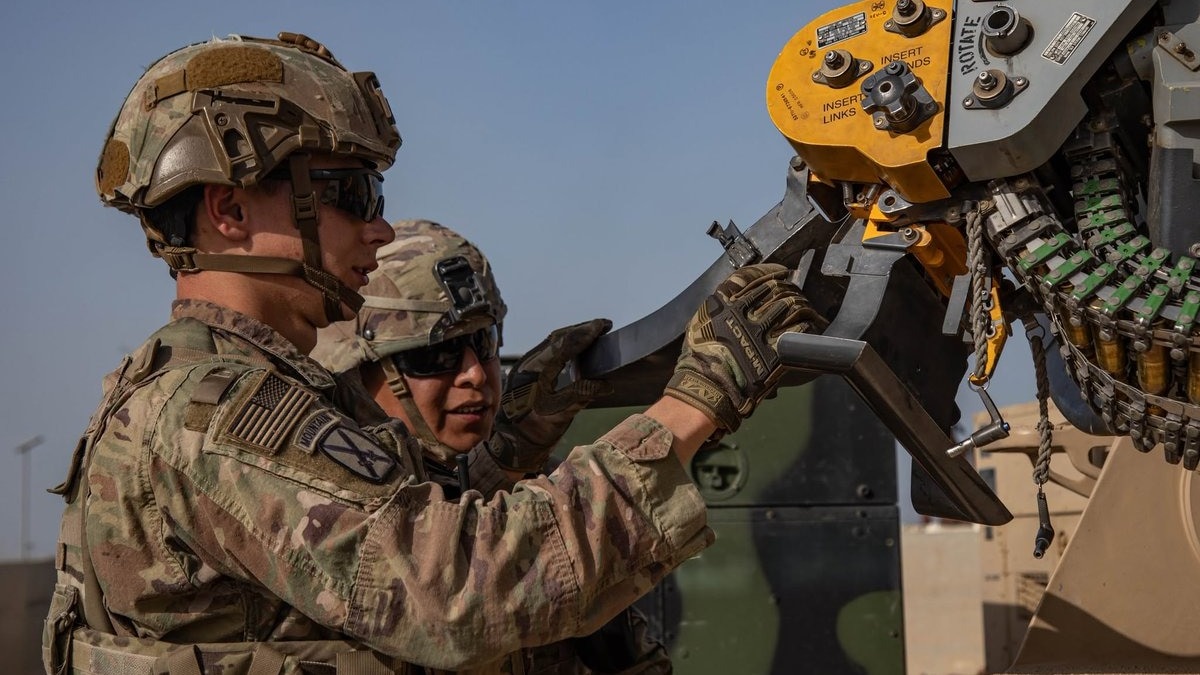
Stock photo used for illustration

Washington,UPDATED: Jul 14, 2026 21:54 IST
US President Donald Trump welcomed Iraq's new Prime Minister Ali al-Zaidi to the White House on Tuesday, capping months of strong public backing for the businessman-turned-premier. Al-Zaidi, who has no political background, emerged as a consensus candidate after a long deadlock over Iraq's premiership following last year's parliamentary elections.
The talks are expected to focus on Iraq's efforts to disarm Iran-backed militias and on a major energy agreement that Iraqi officials say is set to be signed this week. The visit also comes as al-Zaidi seeks to deepen economic ties with the US and expand investment in Iraq's infrastructure and energy sectors.
When al-Zaidi was formally installed as prime minister-designate in April, Trump said in a social media post that it was the "beginning of a tremendous new chapter between our Nations - Prosperity, Stability, and Success like never seen before." Trump's interest in Iraq's leadership had begun much earlier. Iraq's dominant parliamentary bloc, the Coordination Framework, had initially said it would back former Prime Minister Nouri al-Maliki, whom the Trump administration sees as too close to Tehran. Trump publicly opposed al-Maliki and threatened to cut off aid to Iraq if he was appointed, saying that "if we are not there to help, Iraq has ZERO chance of Success, Prosperity, or Freedom."
Iran is likely to feature heavily in Tuesday's discussions. Iraq has been under pressure to disarm a network of Iran-backed militias, some of which launched attacks on US bases and diplomatic facilities after the US and Israel launched their war against Iran in February. The Iraqi government has officially given non-state armed groups until the end of September to disarm, but some of the most powerful militias have said they have no intention of doing so. A Trump administration official said ahead of the Oval Office meeting that the US would make "informed" decisions based on Iraq's efforts to disarm Iranian-backed militias inside its borders.
Victoria Taylor, director of the Iraq Initiative at the Atlantic Council, said al-Zaidi has been likened to the "Trump of the Middle East" because of his business background and lack of political experience. "When you value business success, I think then it's very appealing to look at an Iraqi prime minister who is likely a billionaire and can be really pointed to as a political outsider," she said. But she added that "the reality is much more complicated", saying al-Zaidi was chosen by Iraq's current political set-up and would be "beholden in some way to that system." Taylor also said: "I'm not always sure that there's a full appreciation of the challenge that this prime minister will face in actually trying to really dismantle core parts of the political system," referring to the obstacles he would face in disarming Iran-backed militias and tackling political corruption.
Renad Mansour, director of the Iraq Initiative at Chatham House, said he expects that "the US will put significant pressure on al-Zaidi" to push ahead with disarmament during the Washington visit, and that Zaidi would reply: "But I need support - intelligence support, technical support, armed support." Mansour added, "There is a scenario in which, if the Iraqi government starts going after these groups, they will also go after the government. And this is a scenario that I think that the Iraqi government is apprehensive about."
The two governments are also poised to finalise a major energy deal. Two Iraqi officials said an agreement is due to be signed on Friday between Iraq, US companies Chevron and TI Capital, and Qatar's UCC to build an oil pipeline linking Basra in southern Iraq to Haditha in western Iraq, and from there to the Turkish port of Ceyhan and the Syrian port of Baniyas. The pipeline is expected to carry about 2 million barrels of oil a day, the officials said.
Al-Zaidi received Trump's backing even though he chaired Al-Janoob Islamic Bank, one of the financial institutions banned by Iraq's central bank in 2024 from dealing in dollars amid US pressure to crack down on money laundering and the funneling of funds to Iran. Since taking office, al-Zaidi has publicly highlighted his anti-corruption drive. His government has conducted raids and arrested dozens of current and former lawmakers and officials accused of corruption, including some linked to former Prime Minister Mohammed Shia al-Sudani. His delegation in Washington includes businessmen and government officials, and his office said the aim of the visit is to "strengthen economic and development partnerships, attract investment, and expand the role of US companies in implementing infrastructure projects" while further developing Iraq's energy sector.
Trump's meeting with al-Zaidi brings together the US president's strong backing for Iraq's new prime minister, Washington's concerns over Iran-backed militias, and both sides' efforts to advance a major oil pipeline project and wider economic ties.
With PTI Inputs
- Ends
Published By:
India Today Web Desk
Published On:
Jul 14, 2026 21:54 IST