1 month ago
Donald Trump said Iran had sought talks in Doha, but a senior Iranian negotiator denied any meeting was fixed. The contradiction has deepened uncertainty over the interim deal as fresh Strait of Hormuz attacks unsettle oil markets.

Dubai,UPDATED: Jun 29, 2026 18:52 IST
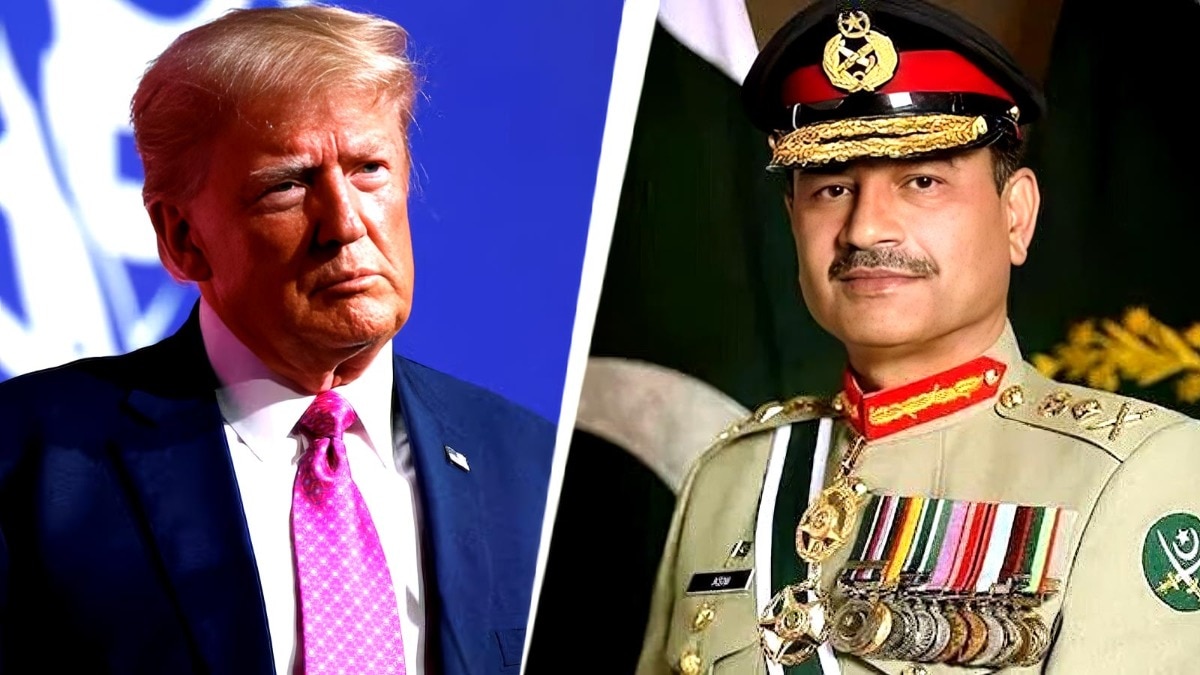
US President Donald Trump said on Monday that Iran had asked for a meeting with American officials and that it would take place on Tuesday in Doha. But a senior Iranian negotiator said no such talks had been scheduled, adding to uncertainty around efforts to preserve a fragile interim deal between Washington and Tehran.
The confusion comes after fresh attacks in the Strait of Hormuz over the weekend raised fears for the negotiations aimed at ending the war. The waterway, through which about a fifth of the world's oil moved before the war began, has seen rising hostilities in recent days.
Trump said on social media that Iran had requested the meeting. However, Kazem Gharibabadi, a senior Iranian negotiator, denied that any talks had been fixed. Pakistan, which has played a key mediating role, said talks would resume on Tuesday, while the Trump administration said on Sunday that nothing had been cancelled and that technical discussions were still expected in the coming days.
The United States and Iran had agreed earlier this month to an interim deal under which Tehran would dilute its stockpile of enriched uranium. The agreement also waives US-backed sanctions on Iran, reopens the Strait of Hormuz and gives both sides 60 days to work towards broader agreements.
Oil prices had fallen sharply after the interim deal was signed. A sustained rise now could hurt Trump's claim to voters ahead of the November elections that inflation was easing.
Earlier on Monday, Iranian President Masoud Pezeshkian said USD 6 billion in frozen Iranian assets would be released by Qatar. His remarks appeared to be aimed at persuading the Iranian public to back the interim deal, especially at a time when Iran's hold over the strait has been tested.
The war began on February 28, and during the conflict Iran's attacks and threats halted the movement of cargo ships and tankers through the Strait of Hormuz, triggering a global energy crisis. In recent days, Iran has twice attacked vessels in the strait after moves to open Oman's territorial waters to inbound and outbound traffic from the Persian Gulf.
Those attacks led to retaliatory US airstrikes and fuelled concerns that talks on a formal end to the war could be derailed. On Sunday, Iran also launched drone and missile attacks targeting Bahrain and Kuwait. The strait has long been treated as an international waterway even though it lies within the territorial waters of Iran and Oman.
In comments carried by the state-run IRNA news agency, Pezeshkian praised the interim deal and called it "a great victory for the Iranian people".
"Based on the plans made, USD 6 billion out of the total USD 12 billion of Iranian resources in Qatar will be released and returned to the country, and necessary follow-ups are being carried out," he said.
Pezeshkian, a reformist within Iran's theocratic system, is the most senior Iranian official to refer to the possible release of the funds held in Qatar, which has acted as a key mediator along with Pakistan. US officials have so far said that no frozen Iranian assets have been released. Qatar has also not acknowledged any such transfer. Over the weekend, during the crossfire in the Persian Gulf, Iran attacked a tanker carrying Qatari crude oil.
Gharibabadi also cast doubt on the next round of Iran-US engagement. In remarks published by IRNA, he said: "Although consultations with Qatar, including on following up on the implementation of the other side's commitments, are continuing as usual, reports by some media about technical talks by the working groups being held in Doha are not confirmed."
Technical talks involve lower-level diplomats working out the details of any agreement before senior leaders from Iran and the US return to the table.
Trump also highlighted falling oil prices on Monday, saying US oil futures were trading at about USD 69 a barrel and crediting the interim deal with Iran. He said this was lower than before the war, though US oil futures were trading at about USD 65 to USD 66 before the conflict began in late February. Brent crude, the international benchmark, was at USD 73.25 a barrel on Monday, compared with about USD 72 before the war, after rising above USD 126 a barrel in April.
As both sides give conflicting signals on the next round of talks, the interim deal remains under pressure from renewed military action in the Strait of Hormuz, uncertainty over the release of Iranian funds and the wider impact of the conflict on global oil markets.
With PTI Inputs
- Ends
Published By:
India Today Web Desk
Published On:
Jun 29, 2026 18:52 IST