1 month ago
Last Updated:January 28, 2026, 19:00 IST
Etihad Rail will launch in 2026 as the UAE’s first national passenger rail service, connecting 11 cities across all seven emirates.
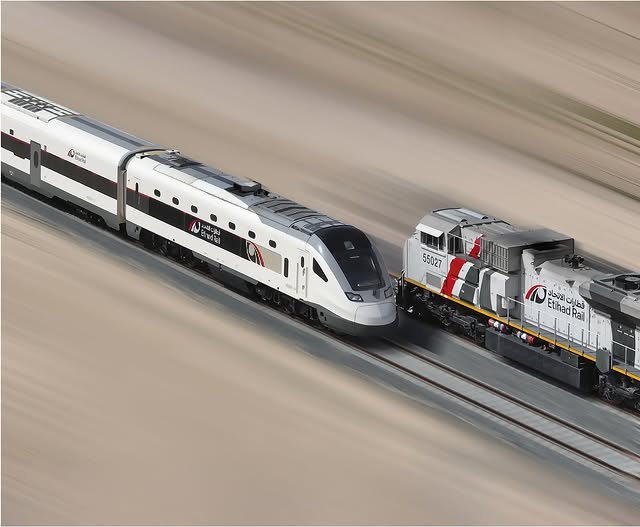
Etihad Rail has long been envisioned as a cornerstone of the UAE’s national transport ecosystem. Designed to reduce reliance on cars and short-haul flights, the passenger service will provide seamless connectivity between emirates, easing traffic congestion and cutting travel times. The project also reflects the UAE’s broader sustainability goals, aiming to lower carbon emissions by encouraging rail travel. (Image: Instagram)
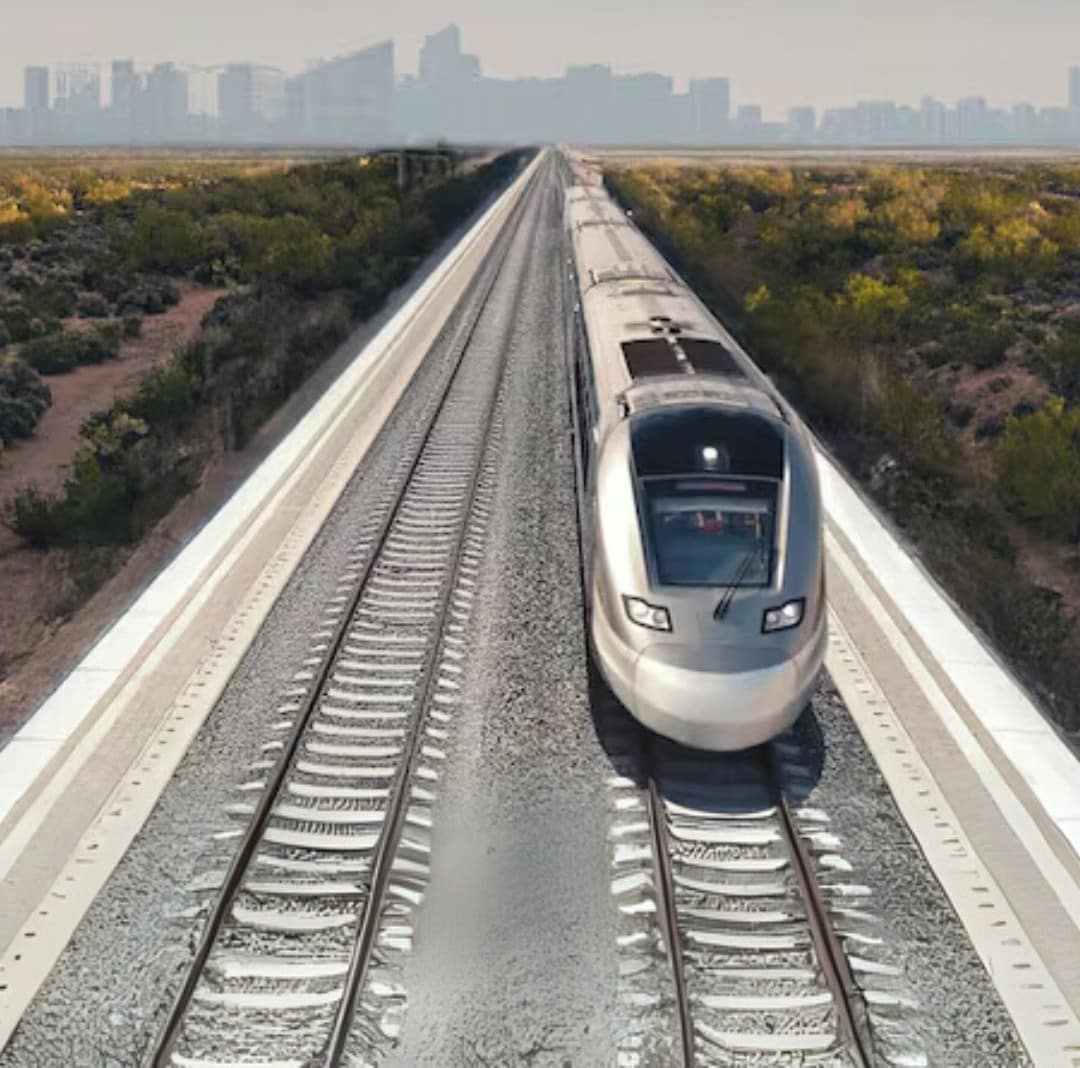
Network and Stations: The passenger network will span approximately 900 km, linking major urban centers and smaller communities. Eleven stations have been confirmed, including hubs in Abu Dhabi, Dubai, Sharjah, and Ras Al Khaimah. The stations will be rolled out in phases during 2026, with the first operational station in Dubai already identified. Each station is being designed to international standards, with modern facilities to ensure comfort and accessibility. (Image: Instagram)
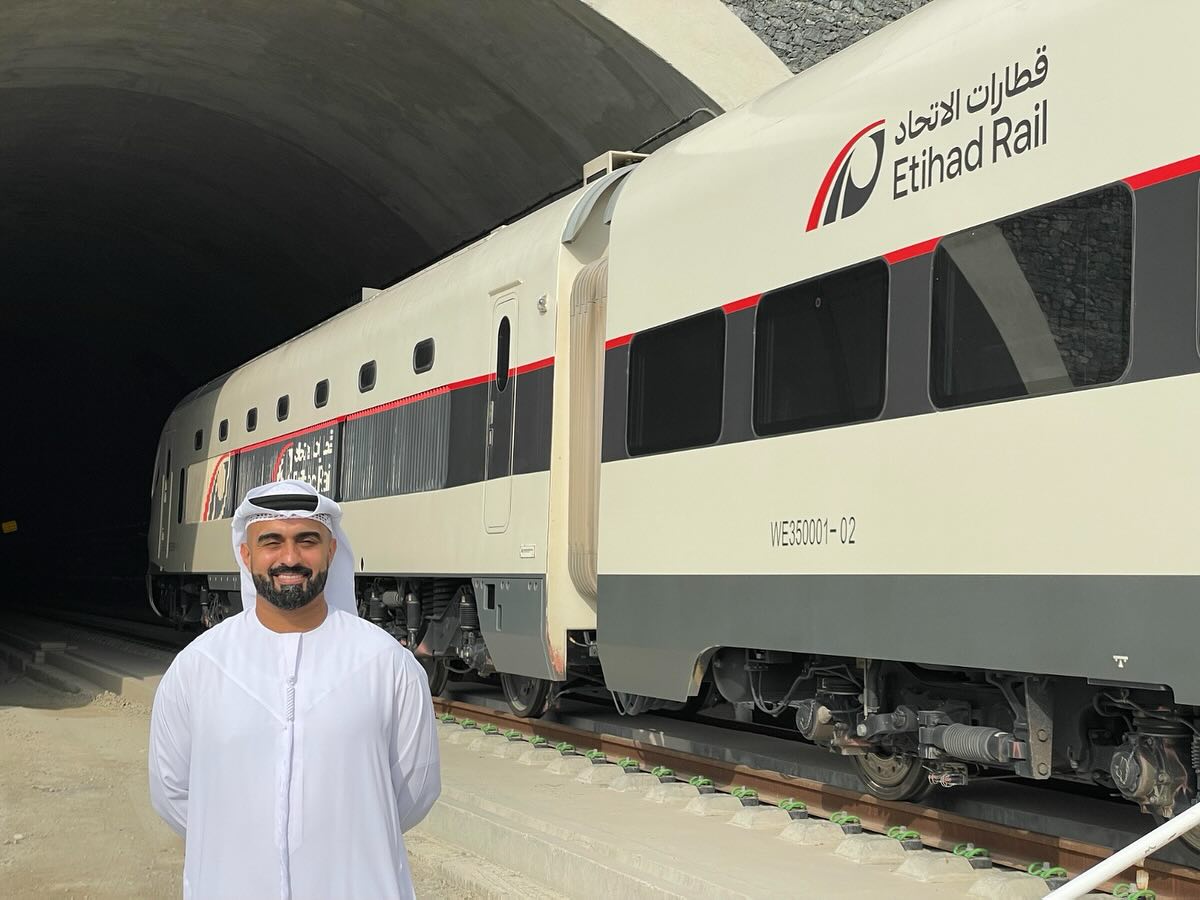
Trains and Onboard Experience: Etihad Rail’s fleet will consist of 13 state-of-the-art trains, 10 of which have already arrived and undergone rigorous safety testing. Each train is built to meet the highest international standards, offering spacious seating, Wi-Fi connectivity, and dedicated areas for families and people of determination. The onboard experience is designed to rival air travel, with emphasis on safety, convenience, and passenger comfort. (Image: Instagram)
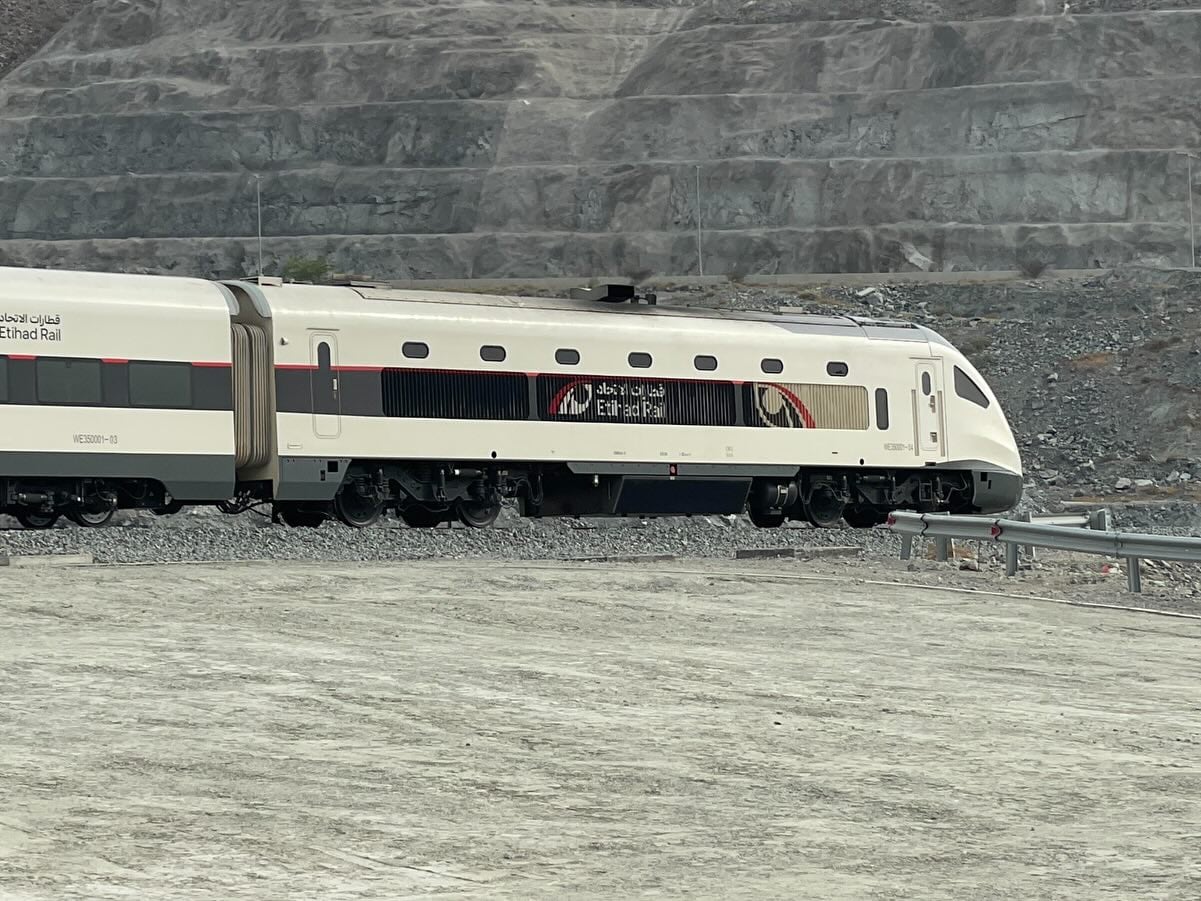
Speed and Connectivity: The trains are expected to reach speeds of up to 200 km/h, drastically reducing travel times between emirates. Journeys that currently take several hours by car will be cut down to under an hour in many cases. This will not only benefit commuters but also families, tourists, and business travelers, reshaping the way people move within the UAE. (Image: Instagram)
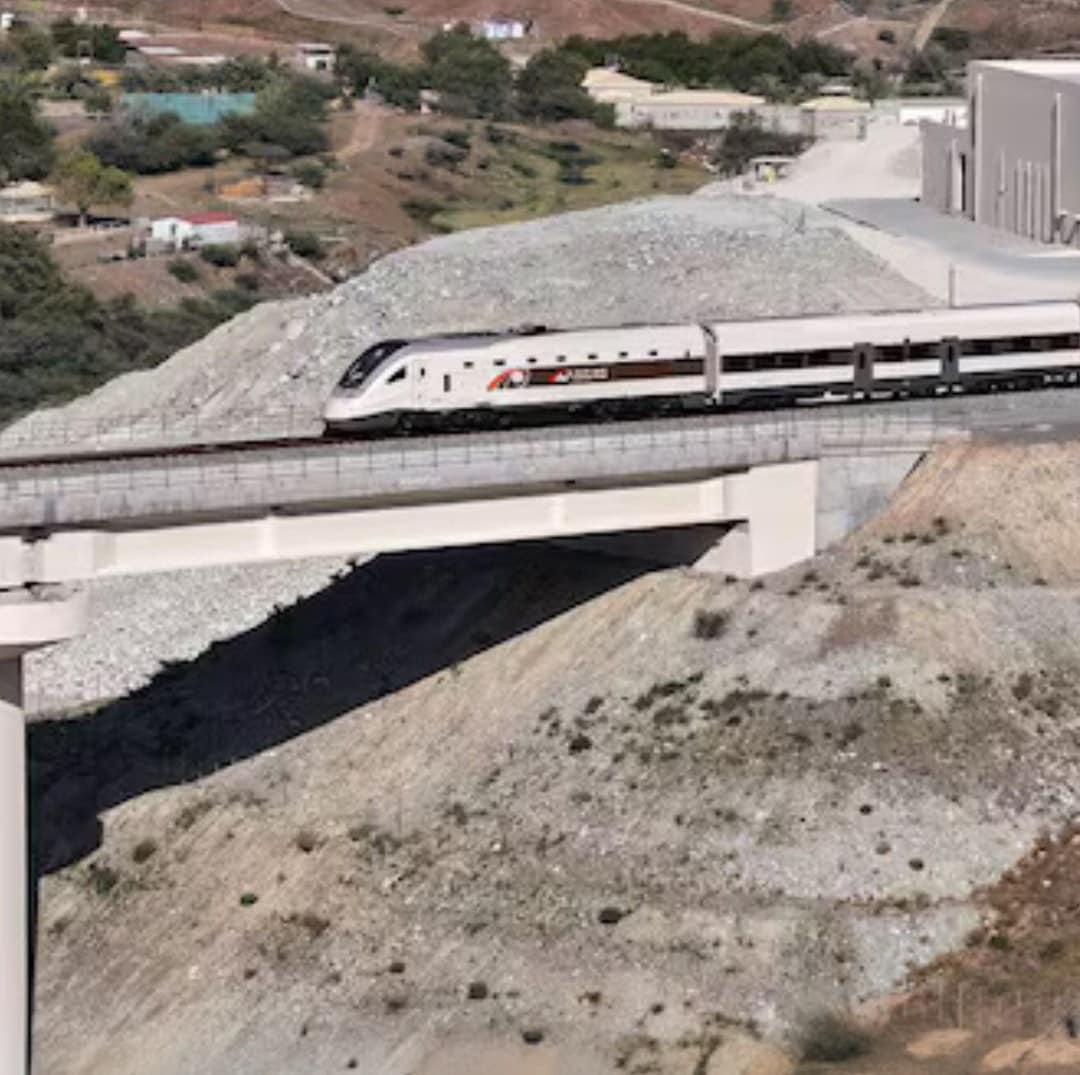
Economic and Social Impact: Beyond convenience, Etihad Rail is expected to have a significant economic impact. By linking industrial zones, ports, and cities, the network will facilitate trade and logistics, boosting the UAE’s competitiveness. Socially, it will provide affordable and reliable travel options, making inter-emirate commuting more accessible to residents and visitors alike. (Image: Instagram)
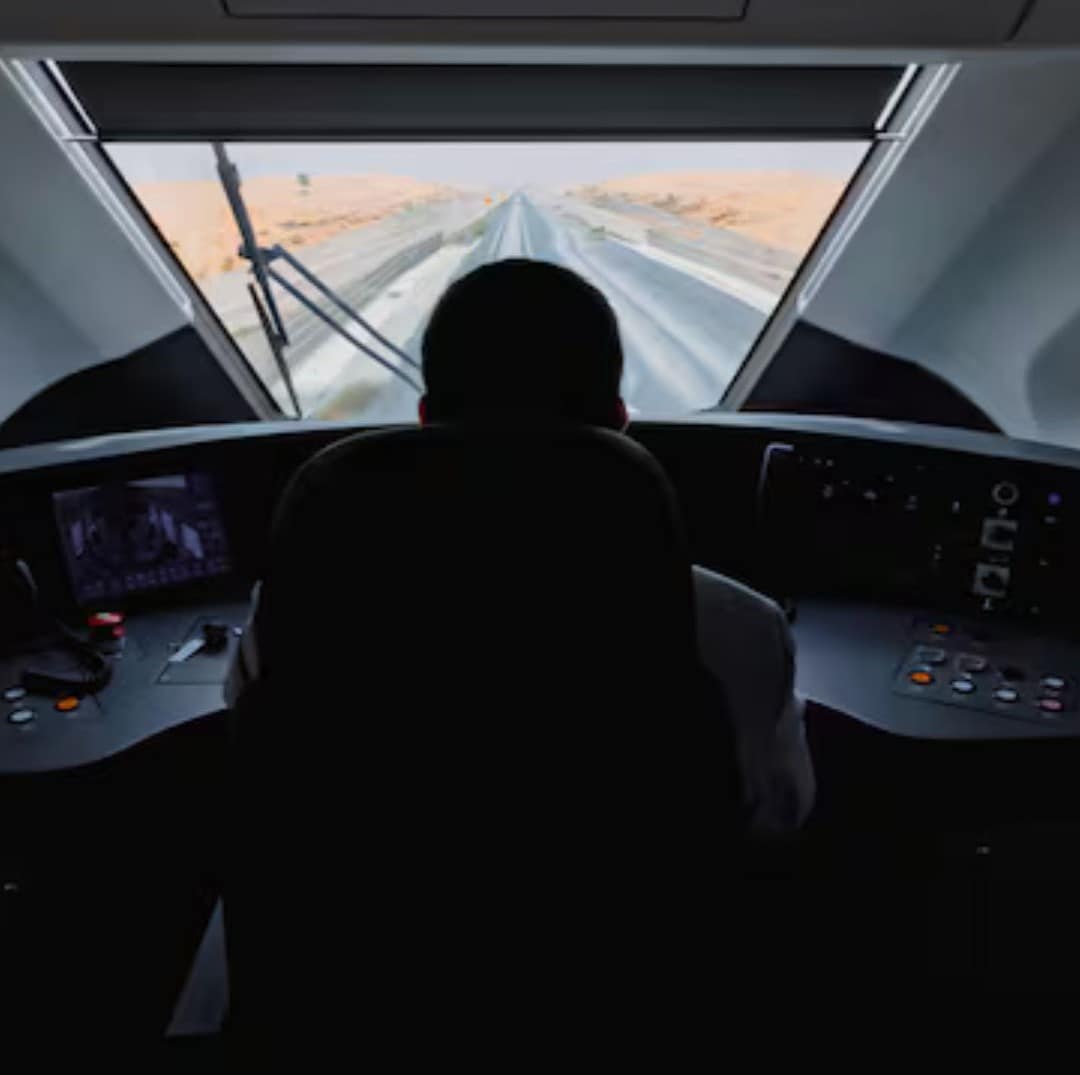
Safety and Training: Safety has been a central focus of the project. Pilots and engineers have undergone specialized training to operate the trains, and the infrastructure has been certified to meet international safety benchmarks. The stations and tracks are equipped with advanced signaling systems to ensure smooth and secure operations. (Image: Instagram)
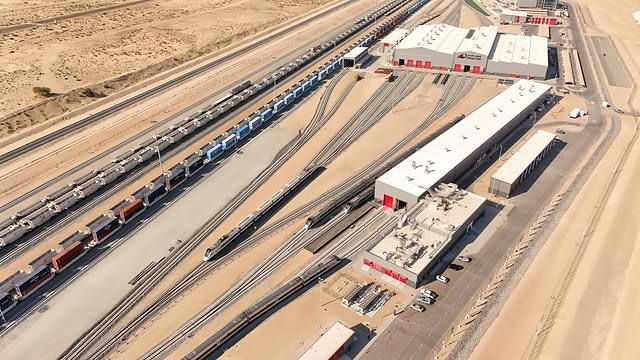
Launch Timeline: The passenger service is scheduled to begin operations in 2026, with stations opening in phases throughout the year. The official inauguration will mark the UAE’s first national passenger rail service, a milestone that has been eagerly anticipated for years. (Image: Instagram)
News Photogallery auto UAE’s First Passenger Rail Service To Launch In 2026: All You Need To Know