48 minutes ago
The UAE said it shared the FlyDubai passenger and crew list with Israel before the Tel Aviv flight where a co-pilot allegedly tried to crash the aircraft. The disclosure has sharpened scrutiny of security failures, conflicting official accounts and missed warning signs.
Telaviv,Oct 4, 2026 18:28 IST

Authorities in the United Arab Emirates shared with Israel a list of passengers and crew before the FlyDubai flight on which a pilot allegedly tried to seize control and crash the plane, regional officials said on Sunday. The disclosure has raised fresh questions about how the attacker was able to board the Israel-bound aircraft without being stopped.
Preliminary details from the investigation have pointed to a series of security lapses. Officials have said the Omani co-pilot had been barred from flying by his own country because of concerns about his extremist views. It is also unclear how an Omani citizen, from a country that has no diplomatic relations with Israel, was allowed to fly a plane carrying Israelis to Tel Aviv.
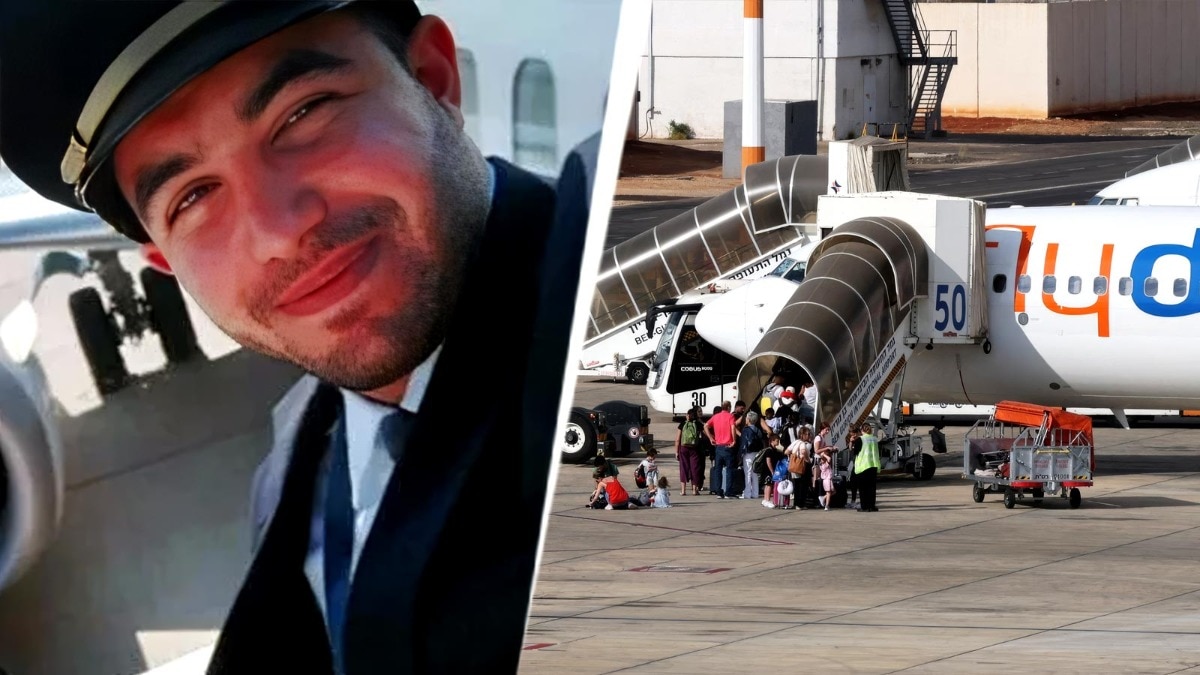
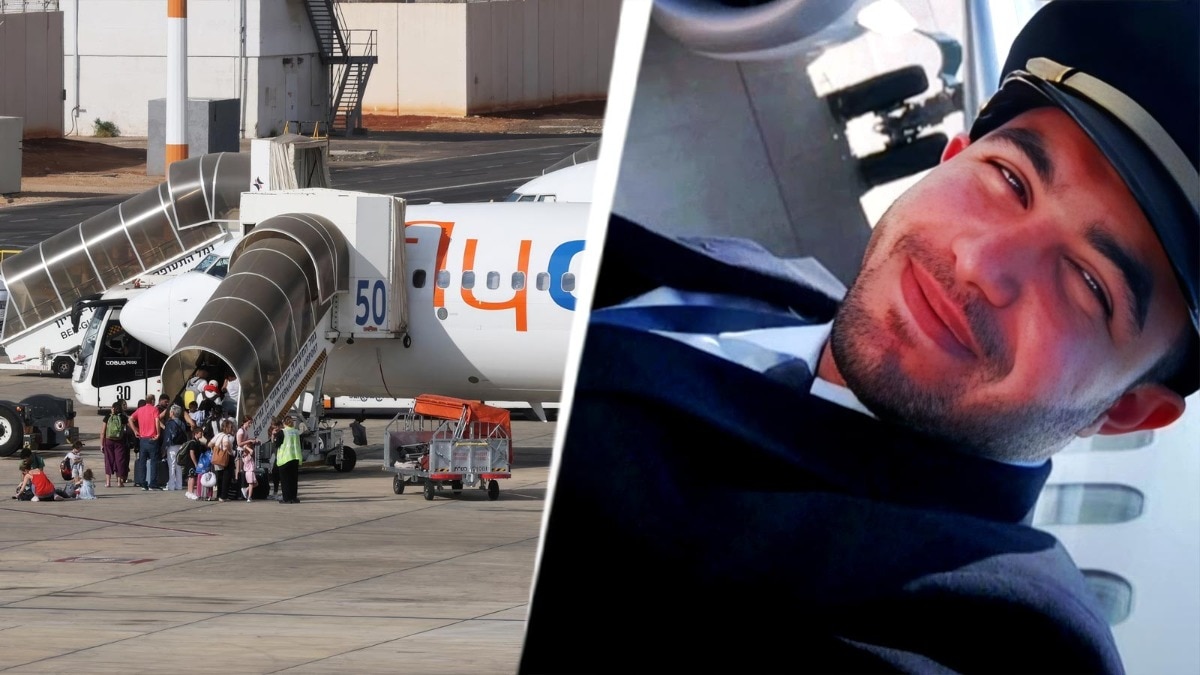
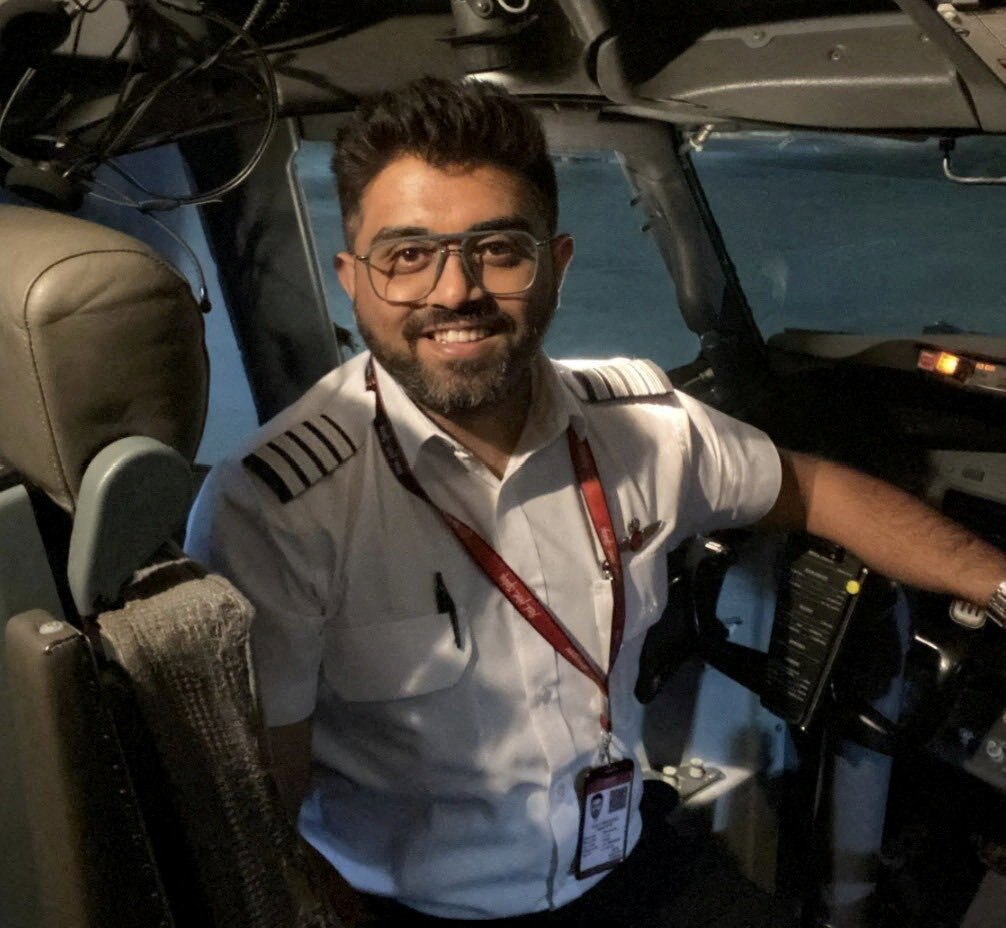
The UAE, which is leading the investigation, has said the co-pilot attacked the flight captain with the cockpit crash axe and tried to take control of the aircraft in a "terrorist attack" on Wednesday. His actions nearly caused the plane, carrying 182 people, to crash before the Indian captain managed to open the cockpit door, allowing passengers and others to rush in and overpower the attacker.
Regional officials said Emirati authorities had shared information on the passengers and crew, including their nationalities, with Israel before the flight. Israel did not raise concerns about any passenger or crew member, the officials said, speaking on condition of anonymity because they were not authorised to brief reporters on the investigation.
Israel's domestic security agency, Shin Bet, said the Transportation Ministry is responsible for checking passenger lists from foreign flights. Transportation Minister Miri Regev told public broadcaster Kan that security agencies are responsible for flight security and that her ministry had not been given a passenger list or any warnings.
Sharing such a list is standard aviation procedure. But Dvir Rubenstien, head of aviation security at the Transportation Ministry, told Army Radio that the ministry relies on local security checks and does not have the tools or the ability to check every passenger on every flight.
Prime Minister Benjamin Netanyahu said on Thursday that Israel has long-standing agreements with foreign carriers to stop pilots who are citizens of countries without diplomatic relations with Israel from flying into the country. Australian police said on Sunday that counterterrorism investigators were looking into the attacker's possible links to Australia.
The passengers who helped stop the attack and regain control of the aircraft have been hailed as heroes in Israel. But as the initial relief over the rescue has faded, officials have begun raising difficult questions and trading blame over the security failures that could have led to a major disaster.
With elections due at the end of the month, some opposition candidates have used the incident to target what they describe as negligence by Netanyahu and his supporters. Regev is a member of Netanyahu's Likud party and a close supporter. "This is exactly what system collapse looks like," Yair Golan, head of the opposition Democrats party, wrote on X. "A transportation minister who completely abandons our skies, and a prime minister who abandons national security."
Questions also remain over how FlyDubai, the Emirati low-cost airline operating between the UAE and Israel, failed to identify the Omani pilot as a security risk. Philip Baum, a visiting professor of aviation security at Coventry University in England and the author of a book on aircraft hijackings and bombings, said background check systems vary from country to country and there are limits on what information can be shared. "In terms of aviation security itself, obviously we want to have as robust background checks as possible. But there are huge limitations on doing background checks in any case, especially in cross-border checks," he said.
The investigation is continuing, but the emerging details have focused attention on how the attacker slipped through multiple layers of scrutiny before the passengers and crew prevented a catastrophe on the flight to Tel Aviv.
With PTI Inputs
- Ends