2 weeks ago
The United States and Iran have both claimed control of the Strait of Hormuz after fresh attacks. The standoff is heightening fears of wider war, shipping disruption and oil price volatility.

Image used for representational purposes only

Dubai,UPDATED: Jul 13, 2026 19:24 IST
The United States and Iran both said on Monday that they controlled the Strait of Hormuz, deepening tensions after a weekend of attacks across the Middle East and raising fresh questions over efforts to end the war. The latest flare-up followed an Iranian attack on a container ship in the strait on Sunday, a key chokepoint for global oil and gas supplies.
The dispute comes even as the two sides are nearly halfway through a 60-day period meant to negotiate a permanent end to the war and an agreement on Iran's disputed nuclear programme. Instead, the new exchanges have increased fears of a return to all-out fighting and further disruption to the global economy. Oil prices briefly jumped nearly 5 per cent on Monday before easing, with US benchmark crude trading at about USD 72.92 a barrel.
Iran has said it has controlled the strait since the United States and Israel started the war on February 28, and maintains that it has the right to manage traffic there and possibly charge fees under an interim peace deal reached last month. The US and others reject that position, citing international law on freedom of navigation, while the American military has tried to set up an alternative route outside Iranian control.
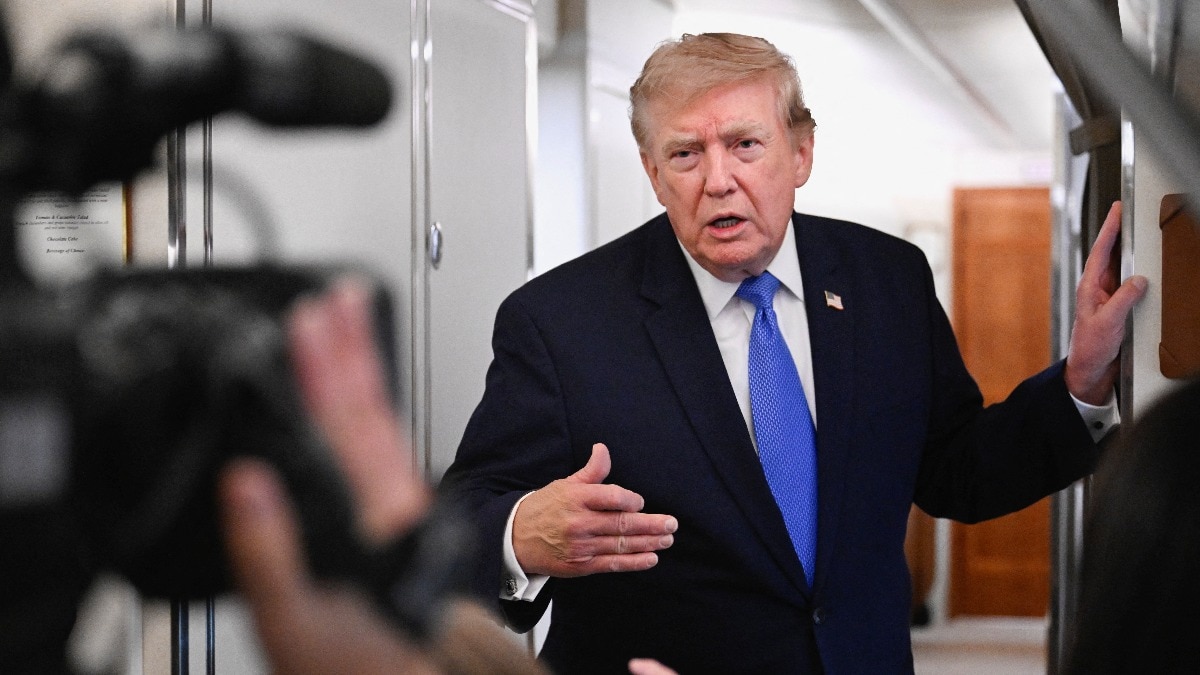
Speaking to Fox News on Monday, US President Donald Trump said, "we're taking over the Strait." He also said that "everything was agreed to" in an 11-hour meeting on Sunday, but that Iranian negotiators later called back and suggested changes. He did not give details.
The US military said it struck dozens of sites in Iran on Monday, including air defence systems, radar sites, missile and drone equipment, and small boats, and added that Iran does not control the Strait of Hormuz. Earlier on Sunday, it had said it hit around 140 targets, including missile and drone launch sites, ammunition dumps and communication equipment, in a much heavier wave of attacks than in the previous two rounds last week. The European Union's top diplomat, Kaja Kallas, called for the waterway to remain open. "Freedom of navigation has to be respected," she said.
Iran, meanwhile, said it would continue to fight over the strait. Mohammed Mokhber, an adviser to Iran's supreme leader, wrote: "We defend it so that in the future, for the passage of our ships, we are not forced to pay tribute to the enemy!" He added, "Retreating from this vital matter has no place in the mind of any friend of Iran." Iran's Revolutionary Guard also said the Strait of Hormuz is "our territory, and we will not allow a rogue and child-killing army from the other side of the world to continue its illegal interference in it." Iran's Foreign Ministry spokesperson Esmail Baghaei blamed Washington for the regional turmoil, saying, "Considering the memorandum of understanding's fourteen clauses, the Americans have, in this brief period, in one way or another, slaughtered its various components."
Across the region, missile alert sirens sounded three times in Bahrain, which hosts the US Navy's 5th Fleet, while Kuwait said it was intercepting hostile fire. There was no immediate word on damage in either country. Jordan's military said it shot down four Iranian missiles in an incident that "resulted in zero casualties or material damage." In Iran, authorities reported attacks in Hormozgan, Khuzestan and Markazi provinces, with at least two people killed, according to state-run IRNA. Semiofficial Iranian media also reported strikes in Sistan and Baluchestan province on the Gulf of Oman coast.
The violence continued hours after the US said it had ended its strikes, renewing the possibility of retaliation by Gulf Arab states against Iran. There were also unclaimed attacks on Iran on Thursday. In Iraq's semiautonomous Kurdistan region, a base belonging to the armed wing of an Iranian Kurdish opposition group came under drone attack on Monday, local commander Rebaz Sharifi said. There were no immediate details on casualties or damage, and no group claimed responsibility.
The status of the strait has remained at the centre of the fighting. Sunday's attacks spread to Bahrain, Kuwait, Qatar, Jordan and Oman, which shares the strait with Iran. Oman, which has long acted as an intermediary between Tehran and the West, summoned an Iranian diplomat to protest the attack. Iran's hold over the waterway has weakened somewhat as the US military has backed ships moving along a southern route close to Oman's coastline, but Tehran has repeatedly targeted vessels using that route. MarineTraffic.com said traffic through the Oman route fell over the weekend "to minimal levels, indicating that operators continue to prioritise perceived security over more direct transit options."
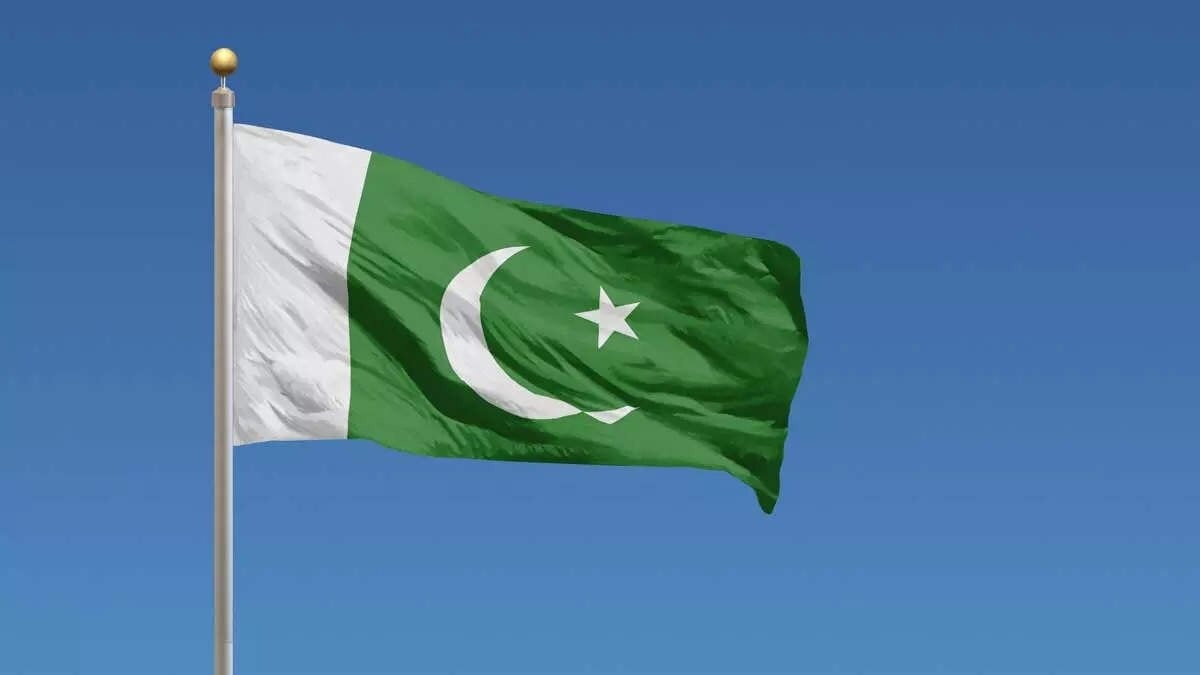
Baghaei also said Iran would not allow the Atomic Energy Agency to visit nuclear sites bombed by the US in 2025, where Tehran's stockpile of highly enriched uranium is believed to be buried. Although Trump said last week that the interim deal in the war was "over", mediation efforts have continued. Pakistan, Qatar and Egypt have remained engaged, and a regional official involved in the talks said attempts to strengthen the ceasefire went on on Sunday. Pakistan also said its foreign minister spoke to Iran's top diplomat and urged "de-escalation" by both sides. For now, the US-Iran dispute over the Strait of Hormuz remains at the centre of a wider conflict that is threatening regional stability and shipping through one of the world's most important waterways.
With PTI Inputs
- Ends
Published By:
India Today Web Desk
Published On:
Jul 13, 2026 19:24 IST