1 month ago
The US Federal Reserve kept interest rates unchanged for a fifth straight meeting despite President Donald Trump's call for lower borrowing costs. The 9-3 split and persistent inflation underscored how divided officials remain on the path ahead.

Image used for representational purposes only

Washington,UPDATED: Jul 30, 2026 02:18 IST
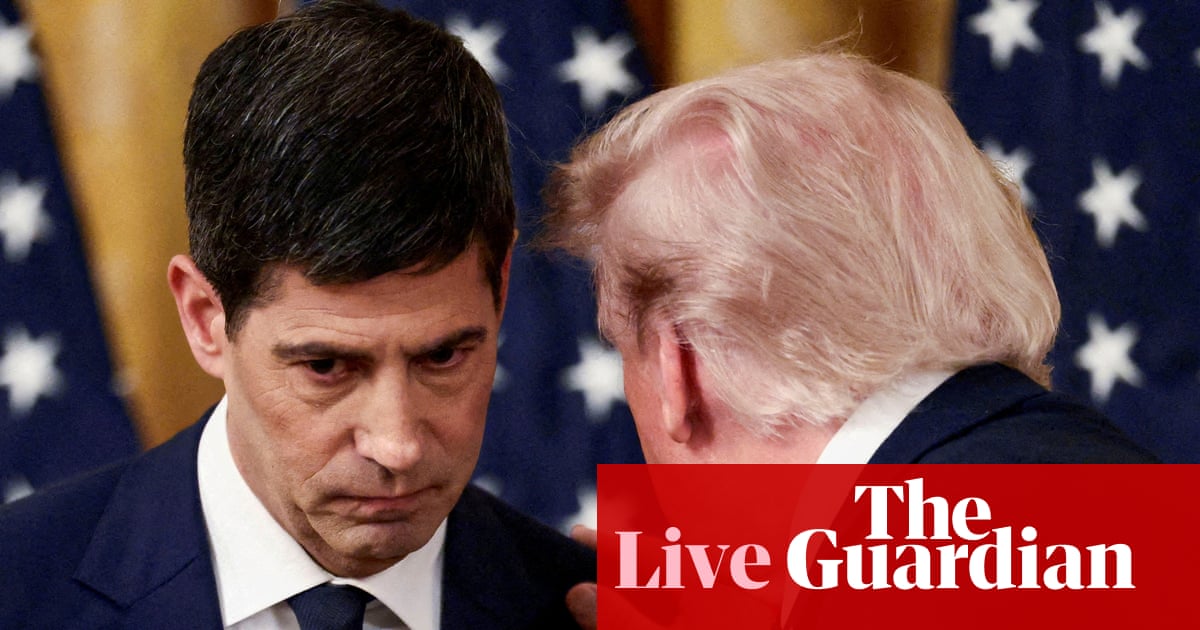
The US Federal Reserve left its key interest rate unchanged on Wednesday, extending its pause for a fifth straight meeting, even as President Donald Trump said he wanted lower borrowing costs. Trump, however, expressed no regret over appointing Federal Reserve chair Kevin Warsh and described him as “fantastic” and “a brilliant guy”.
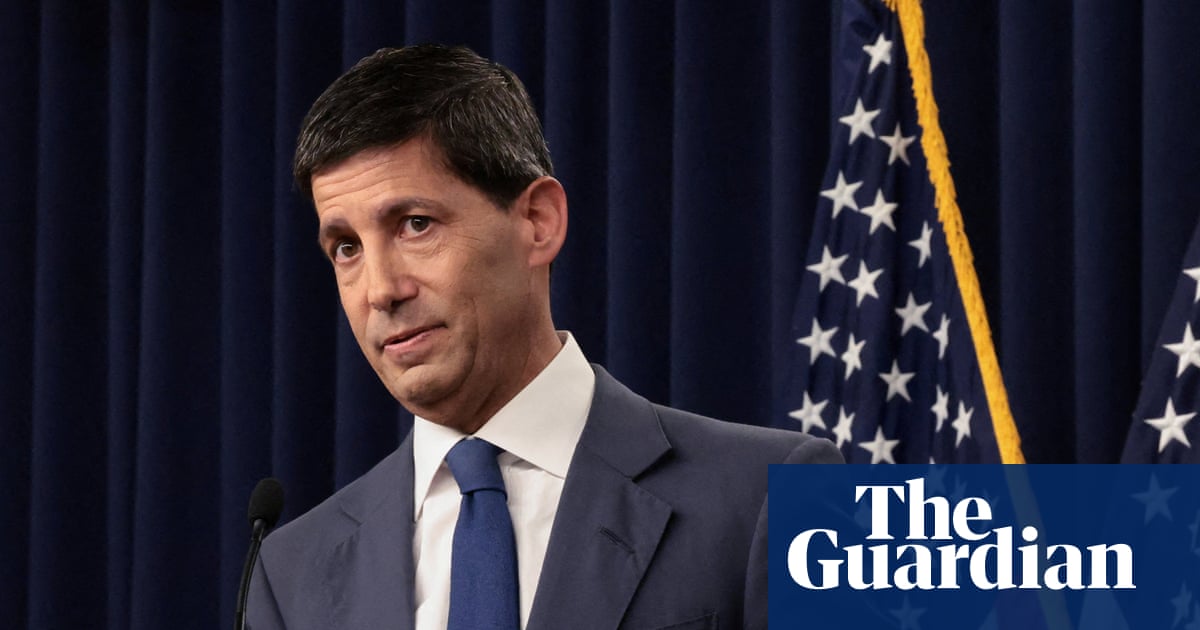
The rate-setting committee voted 9-3 to keep the federal funds rate at around 3.6 per cent after two days of deliberations. The three dissenting officials backed a rate hike, arguing that inflation remains above the Fed’s 2 per cent target. At a press conference, Warsh said the central bank remained committed to bringing inflation down, but added, “We have no magic wand. This isn’t something we’re going to be able to carry out in days or weeks.”
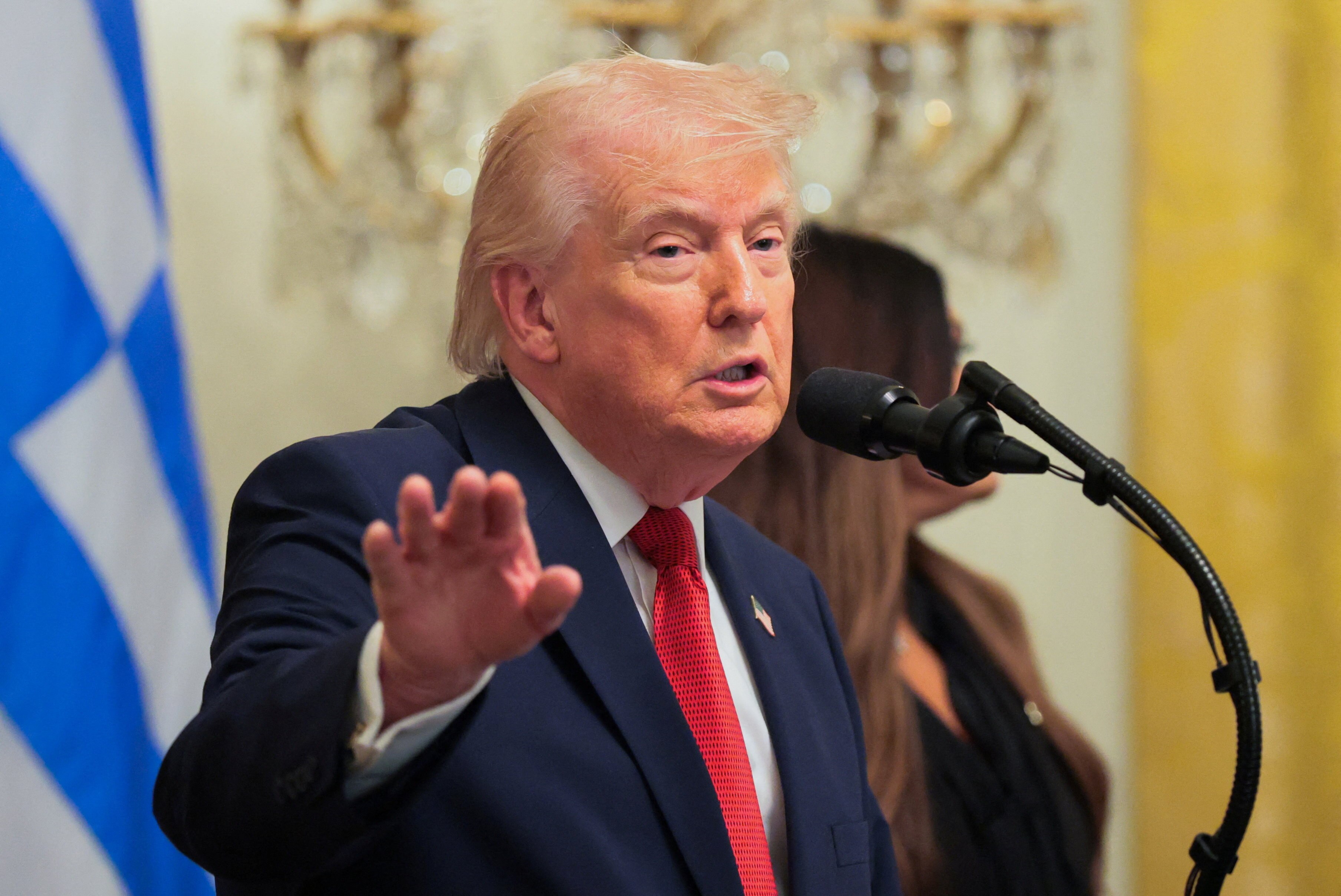
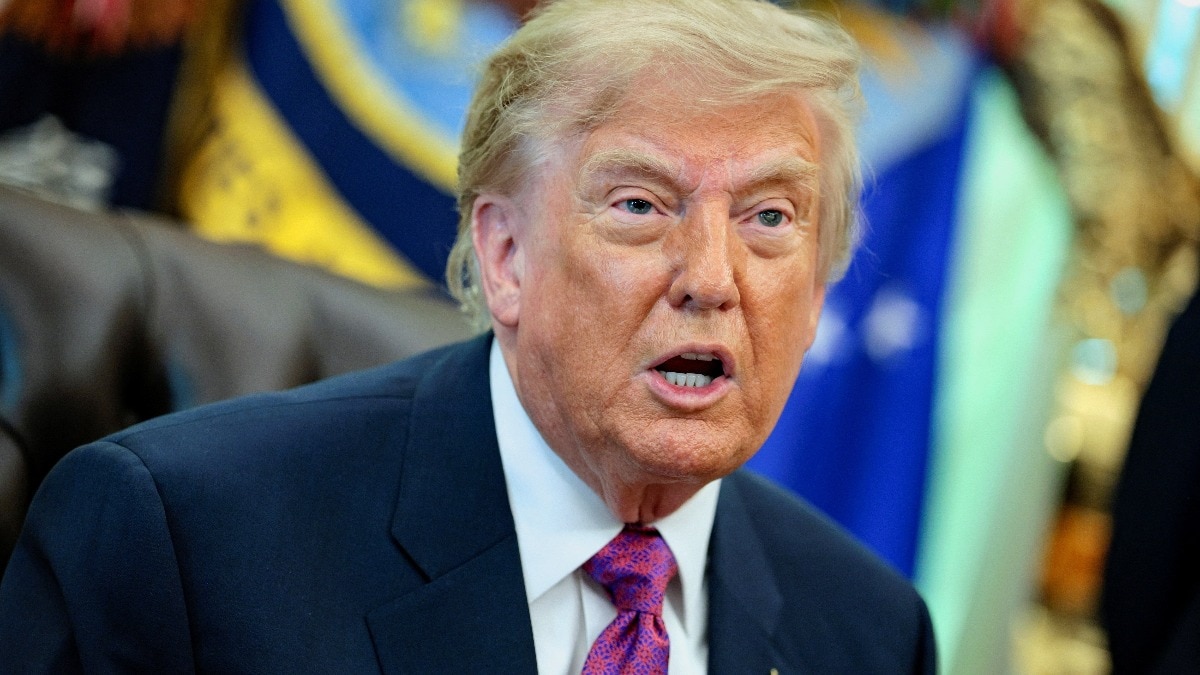
Speaking to reporters, Trump said, “Kevin’s got a board. He’s fantastic. He’s a brilliant guy. Smart. I know he’d love to see lower interest rates, but he’s got a board and it’s a political board and they want to keep rates up.” He also said the country was pushing through higher rates and claimed he had secured USD 19.2 trillion in investments in one year. That figure is inflated and inaccurate, as it would account for the bulk of US gross domestic product and is not reflected in broader economic data.
Some economists and Wall Street analysts had expected the Fed to raise rates by a quarter point. While the decision to hold rates could be seen as positive for consumers, relief may be limited, with the average credit card rate still near 20 per cent and mortgage rates at their highest since last August. Inflation has remained above the Fed’s 2 per cent target for more than five years. The Iran war has added uncertainty to the outlook and pushed up energy prices, while heavy spending by technology companies on artificial intelligence has supported manufacturing but also raised the cost of items such as computer chips and electricity. Trump’s tariffs on foreign goods have also added to inflation pressures.
The officials who dissented were Beth Hammack, president of the Federal Reserve Bank of Cleveland, Neel Kashkari of the Minneapolis Fed, and Lorie Logan of the Dallas Fed. All three had earlier called for or signalled openness to raising rates to tackle high prices. “The dissents send a clear message: The Fed is not yet convinced the inflation battle has been won,” said Seema Shah, chief global strategist at Principal Asset Management.
Warsh said he had encouraged open disagreement during the meeting. “I asked for a good family fight and I got one,” he told reporters. He has also pushed changes at the Fed, including giving financial markets fewer signals about its thinking on interest rates. Warsh said that approach may have contributed to bond yields rising in recent weeks as markets assessed fresh economic data. The yield on the 10-year Treasury rose from about 4.50 per cent in mid-June to 4.64 per cent just ahead of the Fed’s decision. Summing up the shift, Warsh said the market was “learning to play the ball and not the referee”.
With PTI Inputs
- Ends
Published By:
India Today Web Desk
Published On:
Jul 30, 2026 02:18 IST