1 month ago
The United States and Iran are again trading daily strikes around the Strait of Hormuz. The escalation is exposing the limits of Washington's airstrike-led strategy while raising risks for oil flows and diplomacy.

Washington,UPDATED: Jul 21, 2026 09:44 IST
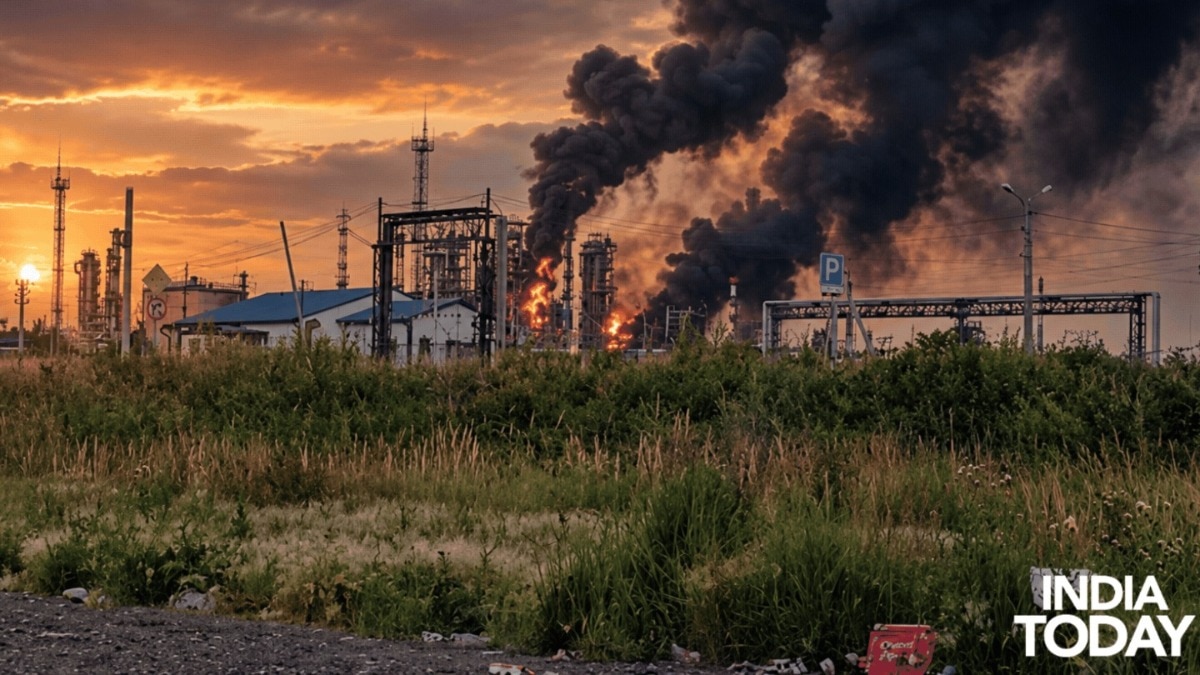
The United States and Iran are again bombarding each other every day as both sides try to control the Strait of Hormuz, underlining the limits of President Donald Trump’s strategy of using escalating airstrikes to force Tehran to change course.
Even as the Trump administration says it remains open to diplomacy, Iran has so far refused to ease its hold over the key oil shipping route in the Persian Gulf. The renewed attacks have broken an interim ceasefire, led to more American troop deaths and pushed up US petrol prices again, creating fresh political pressure for Republicans before the midterm elections.
With some signs that talks may still be possible, the two sides could nevertheless be moving closer to a wider war. Trump warned that “every time Iran kills an American Soldier” from now on, “they will pay for that killing many times over.”
Mona Yacoubian, director of the Middle East Programme at the Center for Strategic and Studies, said the renewed escalation reflected “a fundamental misreading of the Iranian psyche and a lack of learning” from earlier fighting. “I think it’s driven by a calculus on either side that they can double down on military escalation as a way of breaking the impasse and getting the other side to relent,” she said. “The danger, of course, is that the more escalatory it becomes, the harder it will be to seize any potential opening back to diplomacy.”
Secretary of State Marco Rubio said on Sunday night that Washington was still open to negotiations. He told reporters that Iran continued “to send signals that they want to talk, that they want to negotiate, but their behavior is what we’re responding to. And their behavior is they’re launching missiles and drones at ships” in the Strait of Hormuz, through which a fifth of the world’s oil normally passes.
“The United States always remains open to a diplomatic solution, and we’ve tried multiple times with Iran, and we’ll continue to try,” Rubio said. “If that door opens, we’ll be happy to see it open.”
According to a US official, who spoke on condition of anonymity because he was not authorised to comment publicly, Trump is focused on making Iran pay for the recent deaths of US troops, alleged violations of the interim deal reached last month and attacks on ships in the strait. The official said military strikes on Iran would continue until Trump decided otherwise, while talks between the two countries would also continue.
Some outside observers said the administration appeared to be struggling to find a way out, both militarily and diplomatically. Alan Eyre, a former US diplomat involved in earlier nuclear negotiations with Tehran and now a fellow at the Middle East Institute, said, “This administration currently is flustered. It really doesn’t have a coherent and consistent strategy as to how to extricate itself from this quagmire.”
Experts said the conflict had also shown the limits of air power. Christopher Preble of the Stimson Center said relying only on airstrikes could achieve only so much, while sending ground troops would be unpopular with many Americans and members of Congress. “It seems that President Trump certainly has the capability to continue to bomb, and Iran will have the capability to continue to keep the strait closed — or closed well enough,” he said.
David Schenker, a former official in Trump’s first administration who is now at the Washington Institute for Near East Policy, said the latest strikes on Iranian infrastructure repeated attacks carried out in the first weeks of the war, which had failed to force Iran to surrender. “The U.S. hit 13,000 targets in the first 6 weeks of the war, and this didn’t sway Iran to take a knee,” he said.
Retired Air Force Secretary Frank Kendall, who served under President Joe Biden, said earlier wars, including Vietnam, had shown the limits of air power on its own. “Generally, you have to couple air power with ground operations, sometimes naval operations as well, and certainly space today,” he said.
When the war began on February 28, the US and Israel hit many fixed targets identified before the conflict started. But Kendall said Iran had had a long time to prepare by hiding and spreading out its weapons. “So the easy targets are pretty much gone,” he said. “They can hide ballistic missiles and cruise missiles and small air vehicles pretty easily. So it’s a very hard job to try to suppress that kind of a threat over a period of time. And that’s why they’re still able to attack not just ships in the Straits, but also our bases in the region and so on.”
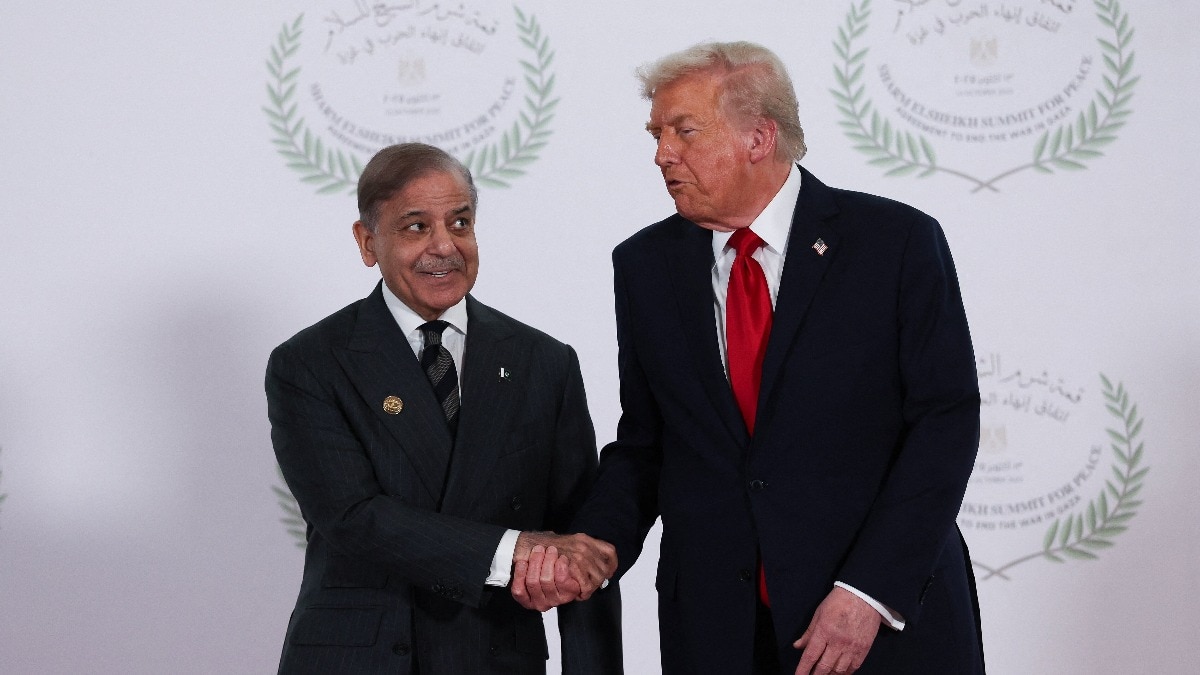
A diplomatic breakthrough may also be difficult. Eyre said the Trump administration had shown no preference for “actual diplomacy”, instead relying on close advisers with limited experience in international relations and using mediators such as Qatar, Pakistan and Egypt. “We’ve got a tough road ahead of us, but it theoretically could be done,” he said of efforts to end the conflict. “Unfortunately, there is so little mutual confidence in the other side. There’s so little bilateral trust between the U.S. and Iran that it makes everything so much harder.”
Still, Schenker and Yacoubian said recent remarks by Trump, Rubio and Iranian officials suggested some openness to diplomacy. Yacoubian said the “measured” response from Trump and Defence Secretary Pete Hegseth to the recent killing of US service members in Jordan pointed to a possible off-ramp. She also said Iran’s release last week of an Iranian-American woman who had not been allowed to leave the country was a sign of goodwill from Tehran.
But those limited positive signs could quickly lose significance if Yemen’s Iran-backed Houthi rebels carry their newly announced maritime embargo against Saudi Arabia further and move to a full shutdown of the Bab el-Mandeb Strait. Yacoubian said that could amount to “a perfect storm of disruption” for an already fragile global economy.
For now, the US says the door to diplomacy remains open, but fighting in and around the Strait of Hormuz continues, with military pressure rising, trust in short supply and no clear end to the conflict in sight.
With PTI Inputs
- Ends
Published By:
India Today Web Desk
Published On:
Jul 21, 2026 09:44 IST