3 weeks ago
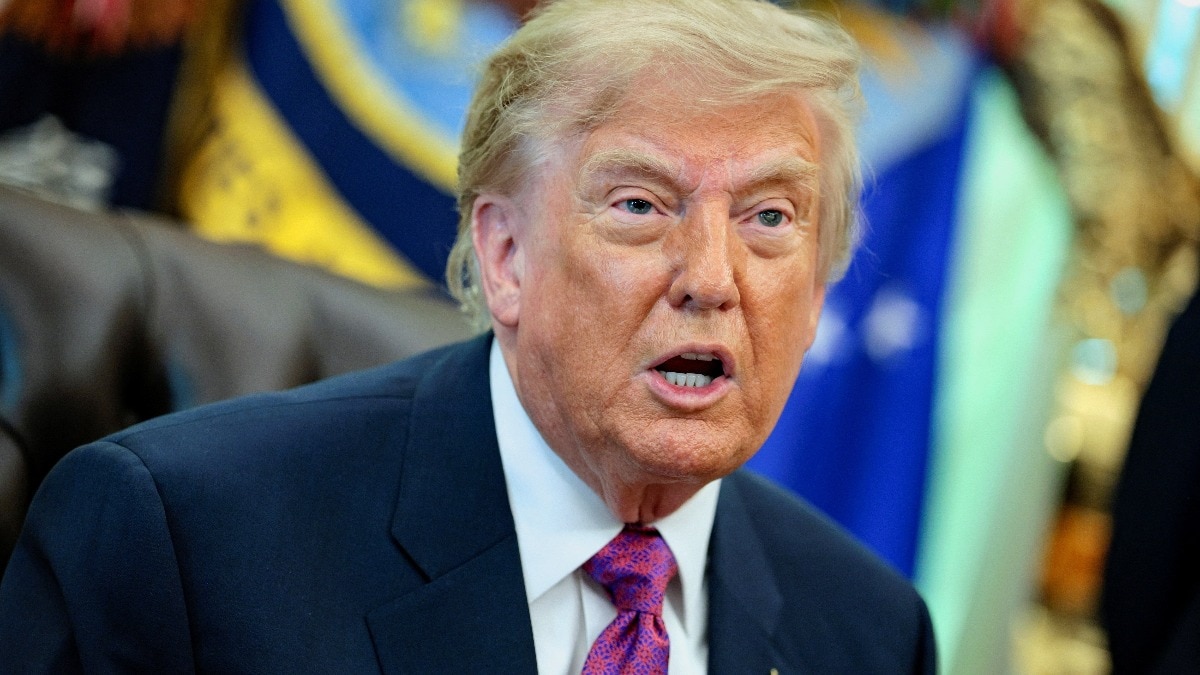
Donald Trump has sent Iran a high-stakes proposal through Pakistan Army Chief Asim Munir, offering sanctions and maritime relief in return for reopening the Strait of Hormuz and halting attacks by Iranian-aligned groups.
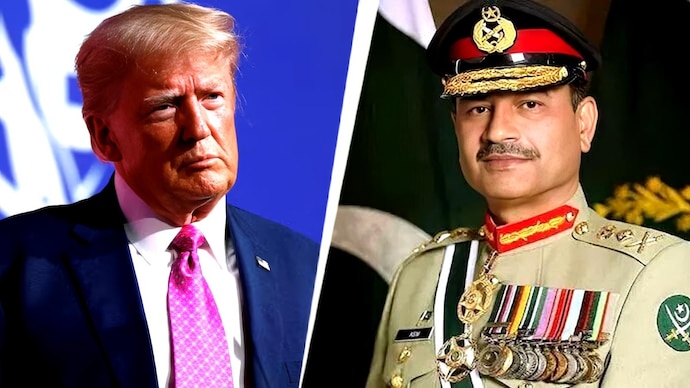
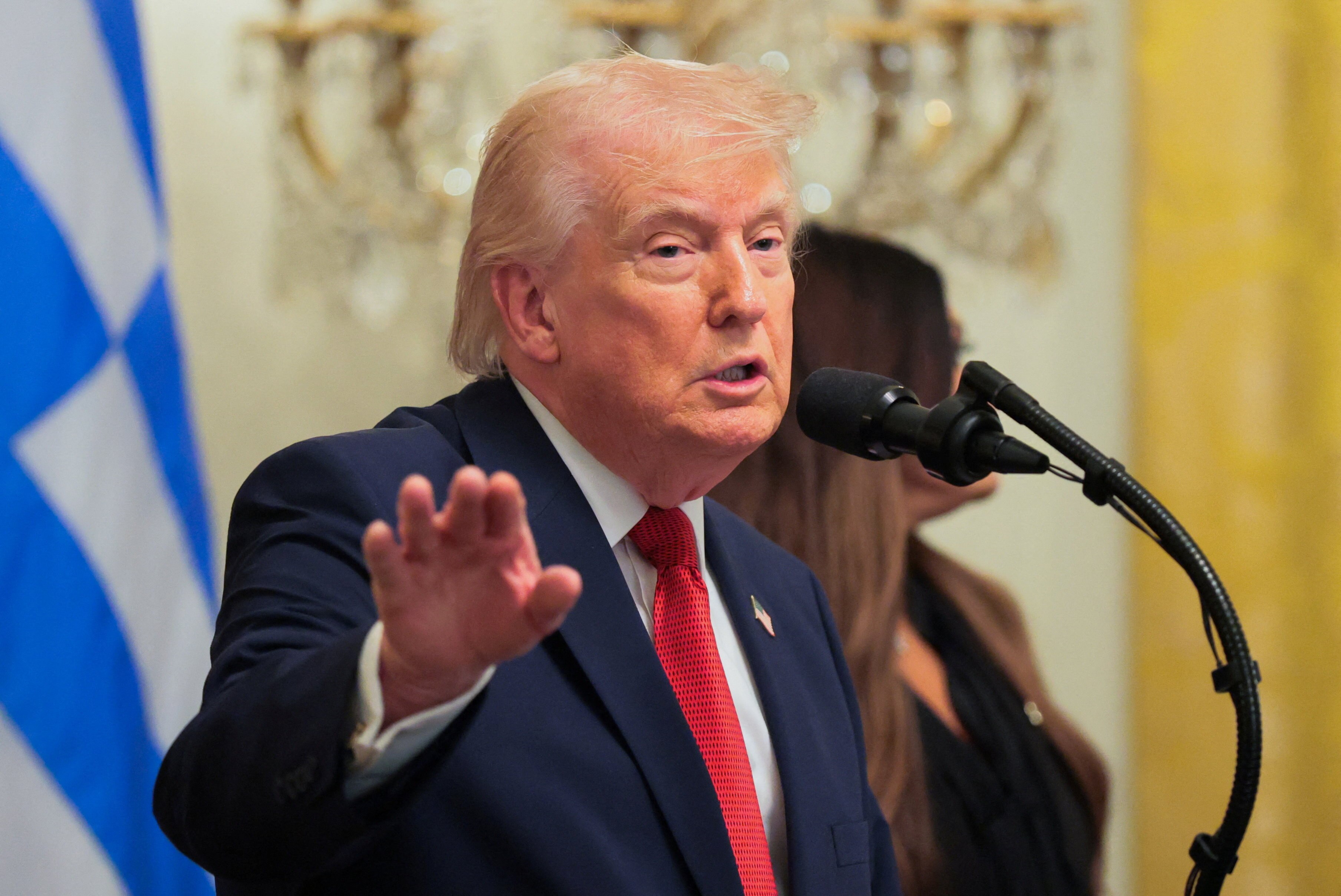
Donald Trump's trip followed a phone call with the US President about the ongoing crisis.(File photo)

UPDATED: Aug 25, 2026 19:40 IST
US President Donald Trump has offered Iran a trade-off at a critical moment in the ongoing conflict: Washington would lift naval blockades and economic sanctions if Tehran helps reopen the Strait of Hormuz and halt attacks by Iranian-aligned groups across the region.
The proposal was delivered through Pakistan Army Chief Asim Munir, who conveyed it to Iranian leaders during his high-level visit to Tehran, according to Al Arabiya. His trip followed a phone call with the US President about the ongoing crisis.
During his visit, the Pakistani army chief held what was described as "clear and decisive" discussions with Mohsen Rezaei, secretary of Iran's Supreme Security Council and a representative of Supreme Leader Ayatollah Ali Khamenei.
The talks could open a diplomatic escape route from the escalating US-Israeli conflict with Iran, with the Strait of Hormuz emerging as the main bargaining chip.
WHAT DID TRUMP OFFER IRAN?
At the heart of Washington's proposal is a reciprocal arrangement.
The US would lift maritime blockades and economic sanctions on Iran if Tehran guarantees freedom of navigation through the Strait of Hormuz and uses its influence to stop attacks by regional groups aligned with Iran.
Munir also reportedly urged Iranian leaders to return to compliance with a 14-point Memorandum of Understanding (MoU) signed with Washington in June, according to the report. He argued that both Washington and Tehran had played a role in undermining previous understandings.
The demand for an immediate halt to operations by Iranian-linked groups was a key part of the message delivered to Tehran. For Washington, reopening the Strait of Hormuz is a major priority. The waterway connects the Persian Gulf with the Gulf of Oman and is one of the world's most important routes for oil and gas shipments.
IRAN PUSHES BACK
Iran, however, did not appear ready to accept the proposal without changes from Washington. Rezaei stressed Iran's role in managing security around the Strait of Hormuz and called on the US to alter its approach. The US "must change its behaviour and take practical steps to implement the terms of the memorandum of understanding," Rezaei said.
Iranian officials also pointed to repeated MoU breaches of previous commitments by the US.
Parliamentary Speaker Mohammad Bagher Ghalibaf cited "numerous instances" of American violations, arguing that Washington's failure to honour commitments had deepened distrust and made regional stability harder to achieve.
President Masoud Pezeshkian similarly warned Munir that American "coercion and bullying" would complicate diplomatic efforts. At the same time, he said Iran remained prepared for peaceful economic, political and security cooperation with neighbouring Islamic countries.
PAKISTAN SAYS TALKS MADE PROGRESS
Pakistan, meanwhile, described the discussions as productive. Interior Minister Mohsin Naqvi, who accompanied Munir to Tehran, said the two sides had made "significant progress" in talks focused on the US-Israeli war on Iran and a possible path towards peace.
"The Iranian President candidly shared his government's perspective and we had a very constructive exchange on the issues involved," Naqvi said in a post on X.
According to a statement from the Pakistani military, the talks covered ways to prevent further escalation, reopen the Strait of Hormuz and accelerate an end to the conflict. The sides also discussed regional peace and possible routes towards a negotiated settlement.
The push to break the deadlock follows Trump's warning last week that countries providing "any type of lifeline to Iran" could face economic consequences as Washington seeks to isolate Tehran. The US has also launched "D-Day" sanctions against Tehran and its allies. Iran, in response, has threatened to shut down oil exports from the Gulf.
- Ends
With inputs from agencies
Published By:
Satyam Singh
Published On:
Aug 25, 2026 19:40 IST