1 month ago
Last Updated:March 02, 2026, 17:32 IST
Indian intelligence said Iran's recent escalations in the Persian Gulf are not acts of "random rage" but a "calculated existential card" played by a regime fighting for continuity


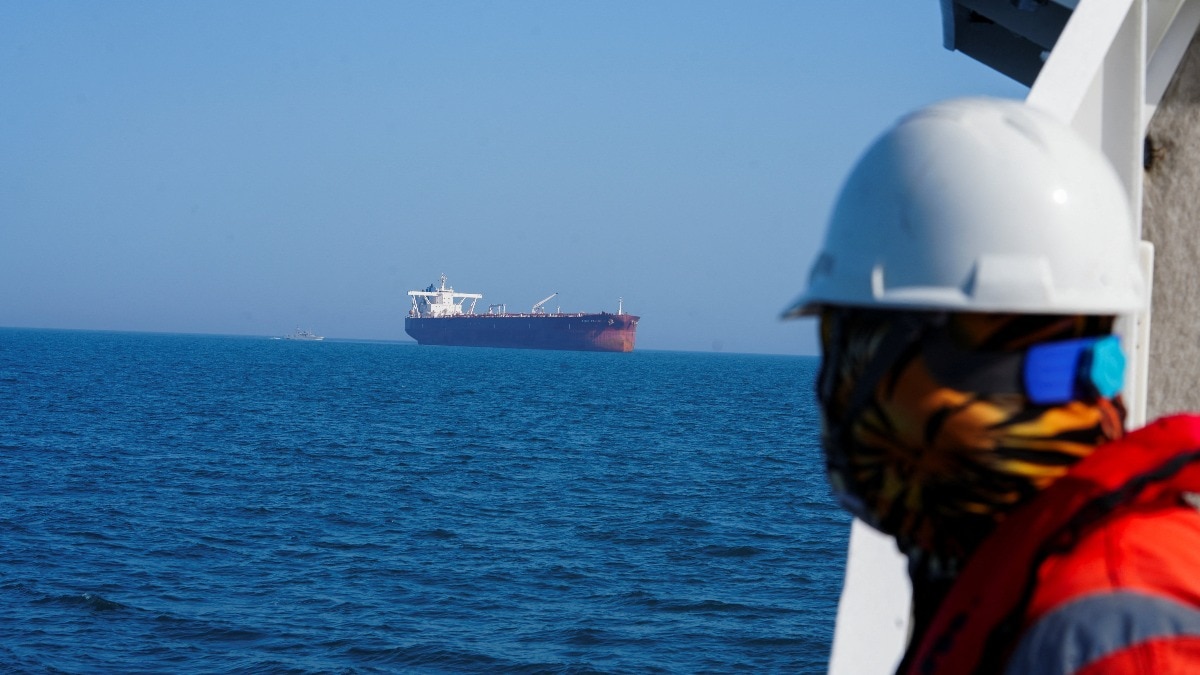
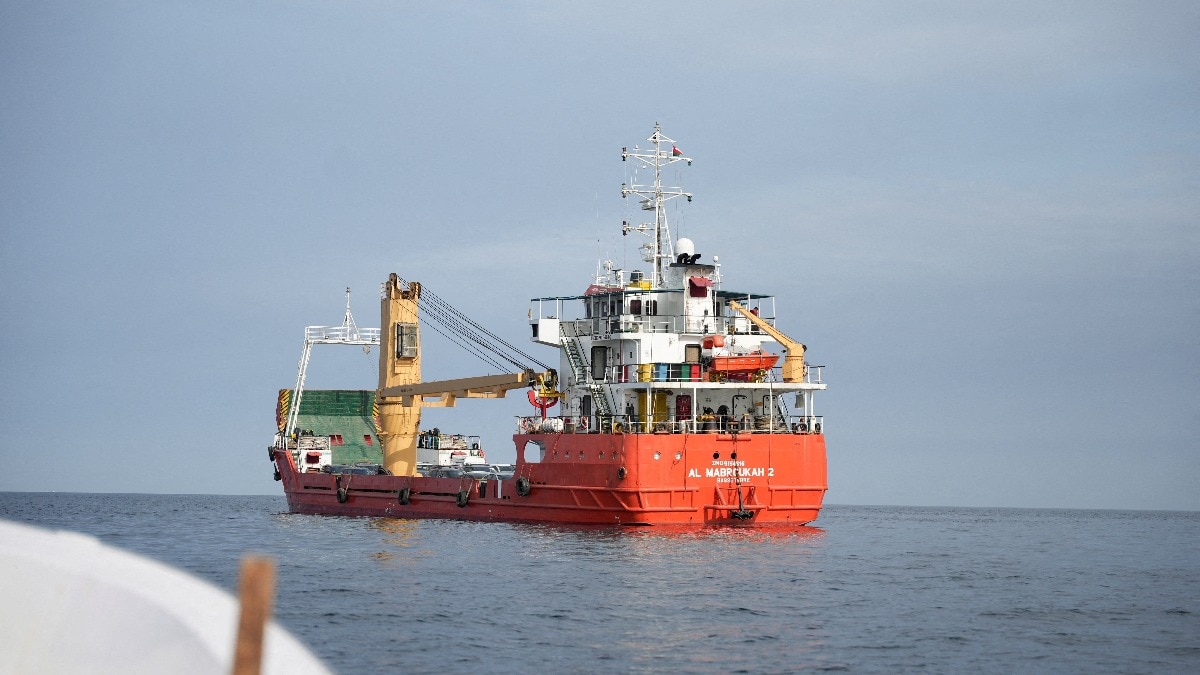
A navy vessel is seen sailing in the Strait of Hormuz, a vital waterway through which much of the world's oil and gas passes, on March 1, 2026. (Image: AFP)
Iran’s elite force, the Islamic Revolutionary Guard Corps, has but one aim: to do whatever it takes to protect the regime from internal and external threats.
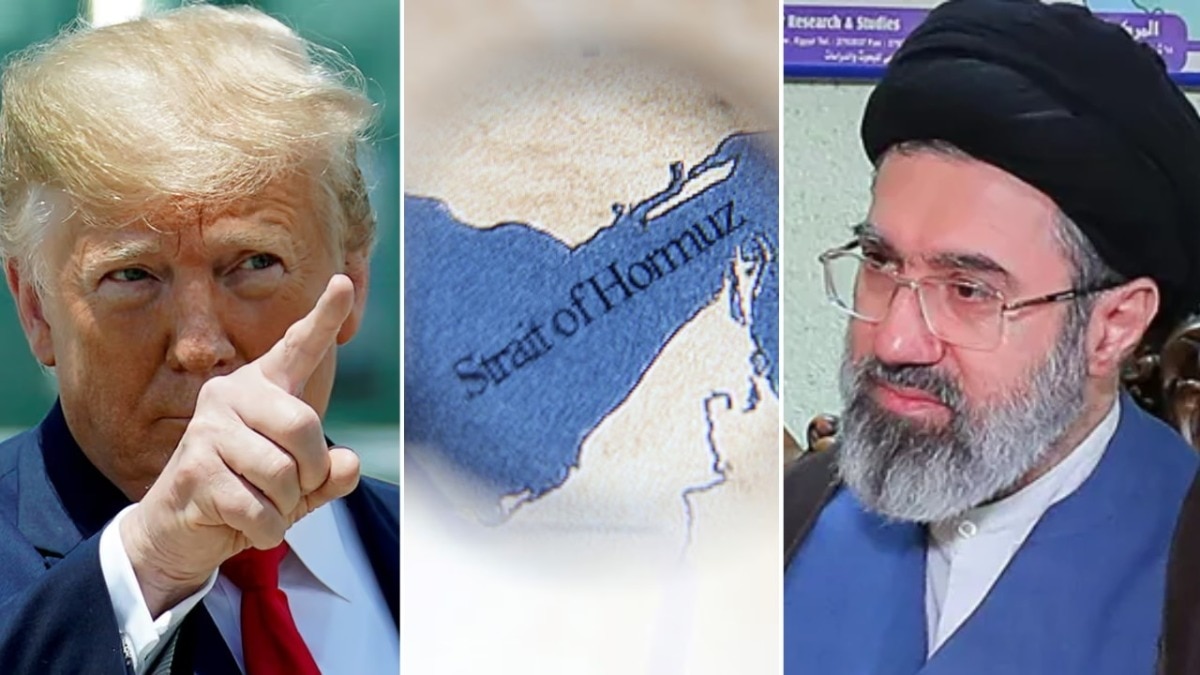
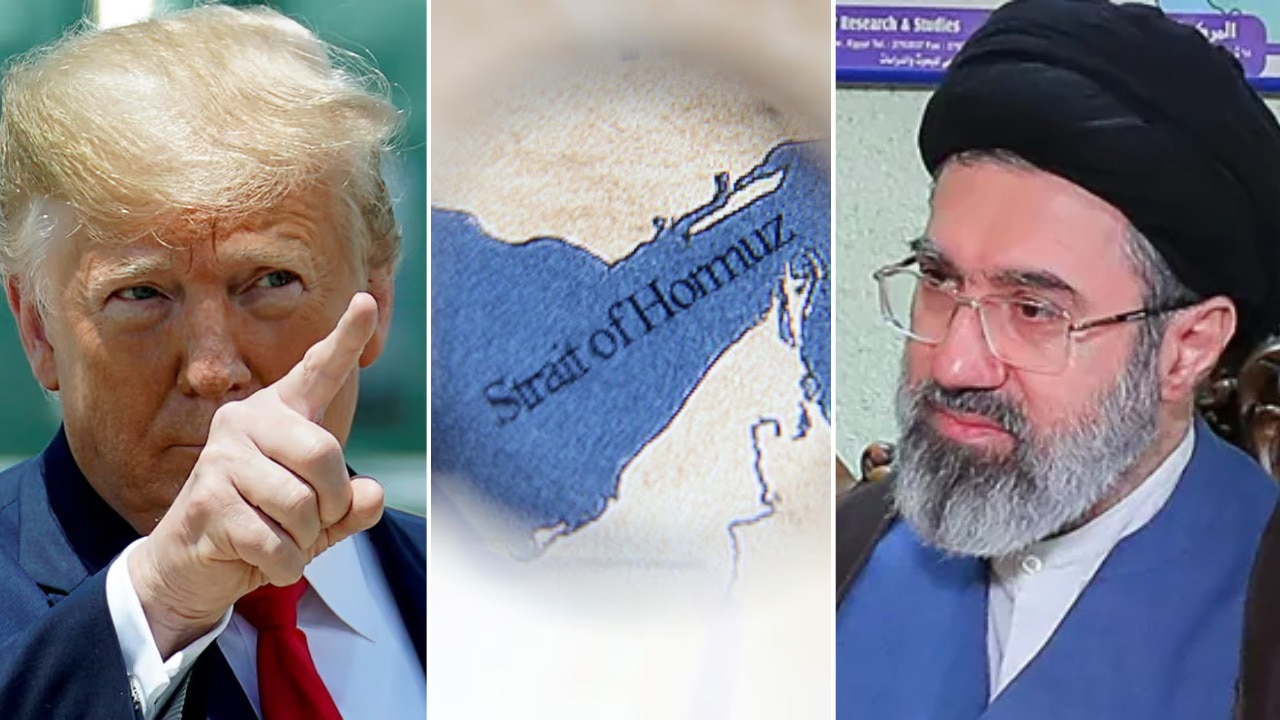
This is, perhaps, why the Islamic Revolutionary Guard Corps (IRGC) has taken over the Strait of Hormuz, turning it into a “strategic weapon" of sorts, Indian intelligence said.
According to an assessment by Indian intelligence agencies, which was accessed by CNN-News18, Tehran’s recent escalations in the Persian Gulf are not acts of “random rage" but a “calculated existential card" played by a regime fighting for its very continuity. Following the deaths of Supreme Leader Ayatollah Ali Khamenei and several top generals in joint US-Israeli strikes, a power vacuum has emerged in Iran.
‘DO-OR-DIE’ POSTURE
The intelligence assessment stated that the IRGC has been pushed into what can be described as a “do-or-die" posture.
The assessment report stated that it has seized de-facto control of the Strait of Hormuz, transforming the world’s most critical shipping lane into a strategic weapon. This is a “classic" manoeuvre, which is triggered when state survival is threatened by the loss of senior leadership and now coupled with a looming narrative of regime change by the United States.
‘NO REGIONAL PROXIES, DIRECT WARFARE’
There has been a fundamental pivot in Iranian military doctrine – the transition from the traditional reliance on regional proxies to direct maritime warfare.
Indian intelligence agencies stated that the core mandate of the IRGC remains internal regime protection. Hence, by exerting control over the Strait, it aims to project a sense of domestic strength to hardliners at home while simultaneously leveraging global economic instability to deter American military pressure.
The agencies said the strait has been selected as the primary weapon because of its unique capacity to inflict severe economic pain on the US, Israel, and the Gulf countries. Tehran is effectively betting that the resulting global oil price shocks will force Washington to pause its military advances before Iran reaches a point of total collapse.
CHINA’S ‘SHADOW FLEET’
The report stated that this escalation is primarily sustained by the financial and technical patronage of Beijing. Without China’s continued support, Iran will be unable to sustain such a confrontational maritime strategy.
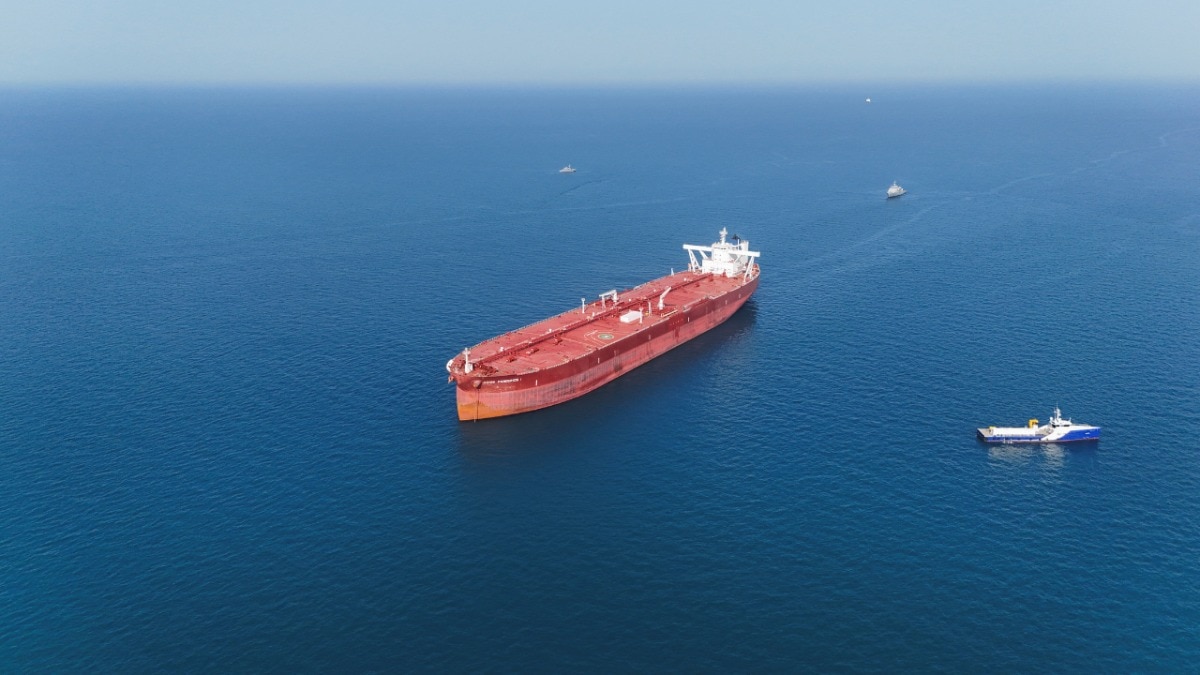
At present, the report stated, China purchases an estimated 80 to 90 percent of Iran’s exported oil via a “shadow fleet" of tankers that continue to operate despite heavy international sanctions. Beyond mere energy purchases, Beijing is injecting billions of dollars that directly fund the Guards’ missiles, drones, and broader military operations.
This includes the transfer of dual-use technology, such as missile components and advanced navigation systems, alongside logistics support through the so-called ‘CRINK’ alliance, the report stated. Such patronage provides a vital lifeline, allowing the Iranian government to absorb short-term export losses and shielding the regime from a total economic meltdown.
‘NOT RANDOM AGGRESSION’
Indian intelligence further stated that the Iranian leadership views the potential closure of the shipping lane as a calculated gamble rather than an act of random aggression.
It stated that Tehran is aware that China has a significant stake in the region, with 50 percent of their own oil imports passing through the Strait of Hormuz. This creates a complex geopolitical environment where Beijing quietly shields the regime, as any western response that destabilises Iran could directly threaten China’s energy security.
Ultimately, the report stated, the Tehran-Beijing axis has created a platform where Iran can challenge western interests with the quiet backing of Chinese resources. In this environment, the IRGC perceives the closure of the strait not as a choice, but as a necessary instrument of survival in a post-Khamenei era.
First Published:
March 02, 2026, 17:32 IST
News world Why Iran's Elite Force Has Turned Strait Of Hormuz Into 'Strategic Weapon': An Indian Intelligence Assessment
Disclaimer: Comments reflect users’ views, not News18’s. Please keep discussions respectful and constructive. Abusive, defamatory, or illegal comments will be removed. News18 may disable any comment at its discretion. By posting, you agree to our Terms of Use and Privacy Policy.
Read More