1 month ago
As External Affairs Minister S. Jaishankar launches India's UN Security Council campaign, New Delhi faces a tougher diplomatic contest than ever before. With Tajikistan in the race and geopolitics reshaping UN voting, can India secure the global backing needed for another Council term?
India is preparing to launch its campaign for a non-permanent seat on the United Nations Security Council (UNSC) for the 2028–29 term, marking the latest phase in its long-standing effort to secure a greater role in global governance. While the immediate objective is to win a two-year seat on the Council, the campaign is also expected to reinforce New Delhi's broader ambition of securing permanent membership in a reformed UNSC.
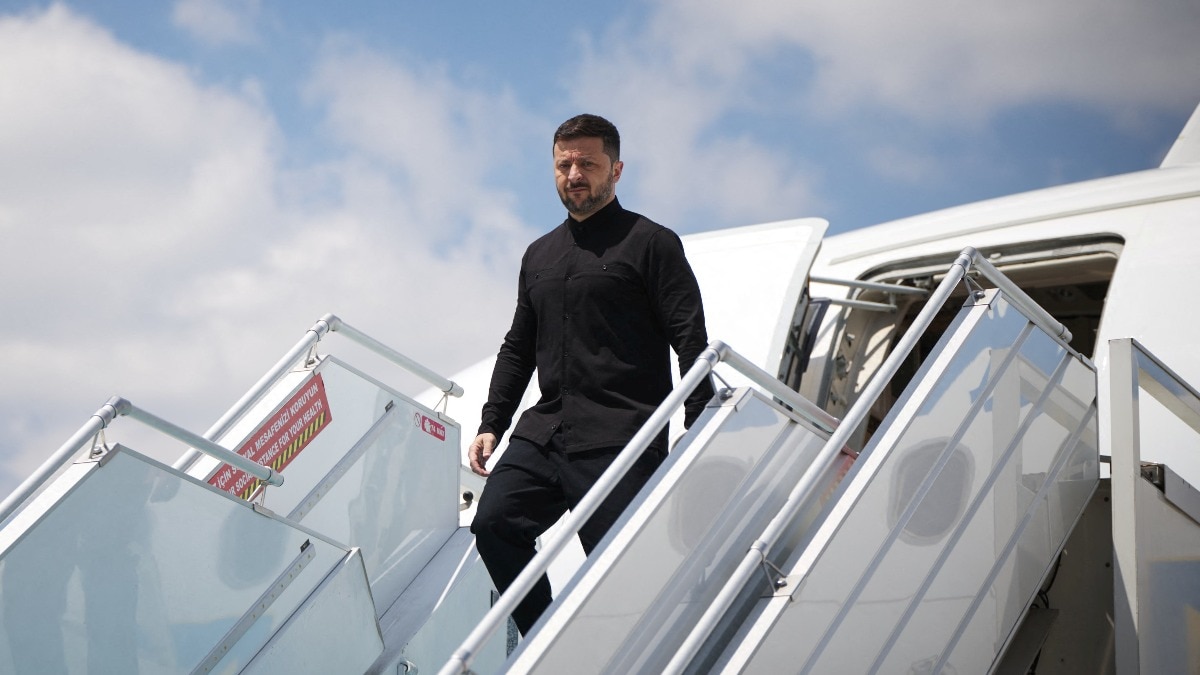
External Affairs Minister S. Jaishankar is set to formally launch the campaign ahead of the election, which will take place during the 82nd session of the UN General Assembly in 2027. India will contest the Asia-Pacific seat, seeking what would be its ninth tenure as a non-permanent member of the Council.
The launch follows months of diplomatic outreach by Jaishankar across Qatar, Bahrain, Kuwait, Oman, the United States and Belgium, reflecting New Delhi's strategy of building support well in advance of the vote.
A More Competitive Contest
Unlike some previous campaigns, India is unlikely to have a clear run.
Tajikistan has also entered the race for the Asia-Pacific seat, setting up what could become a closely fought diplomatic contest. The Central Asian nation is expected to draw support from members of the Organisation of Islamic Cooperation (OIC), potentially making the election more challenging for India among several Muslim-majority countries.
To secure victory, India must obtain a two-thirds majority in the 193-member UN General Assembly. Every member state has one vote, meaning support from countries across Africa, Latin America, the Caribbean, the Pacific and the Arab world will be just as important as backing from major powers.
While India is expected to receive support from traditional partners including the United States, Fiji, Austria and Sri Lanka, diplomats believe New Delhi will need to significantly widen its diplomatic engagement to secure the numbers required.
More Than a Two-Year Seat
For India, the campaign is not solely about returning to the Security Council.
New Delhi has consistently argued that the UNSC, established in the aftermath of the Second World War, no longer reflects contemporary geopolitical realities. India has repeatedly called for reforms that would expand both permanent and non-permanent membership, arguing that the Council should better represent today's global balance of power.
Throughout the year, Jaishankar has advocated reforming international institutions to address modern challenges such as terrorism, maritime security, emerging technologies and growing geopolitical instability.
The campaign therefore serves as another opportunity for India to strengthen its case for a permanent seat on a reformed Security Council.
Geopolitics Now Shapes UN Elections
However, the diplomatic landscape inside the United Nations has become increasingly complex.
Recent UN elections have demonstrated that voting patterns are increasingly influenced by geopolitical positions rather than diplomatic credentials alone.
Germany's unsuccessful bid for a key UN position last month was widely interpreted by diplomats and analysts as an example of how positions on issues such as the Gaza conflict can influence support among countries in the Global South and the Arab world.
Whether or not that proved decisive, the episode reinforced the growing perception that UN elections have become increasingly politicised.
For India, maintaining support across regions with differing views on conflicts such as Gaza and Ukraine may prove one of the campaign's biggest diplomatic challenges.
Pakistan's Renewed Diplomatic Visibility
India's campaign also comes as the diplomatic dynamics in South Asia continue to evolve.
After several years of relative isolation, Pakistan has regained greater diplomatic visibility under the Trump administration, which has expanded engagement with Islamabad on regional security, critical minerals, Iran-related diplomacy and broader strategic issues.
Pakistan is also currently serving as a non-permanent member of the UN Security Council, providing it with a significant platform ahead of India's campaign.
Although successive US administrations—including President Donald Trump's current administration—have continued to express support for India's aspiration to become a permanent member of a reformed Security Council, UN elections are ultimately decided by the General Assembly rather than major powers.
Pakistan has historically used multilateral forums to oppose India's positions on issues including Kashmir and Security Council reform, making New Delhi's diplomatic outreach even more significant.
A Global Campaign Ahead
India's challenge therefore extends well beyond securing endorsements from influential capitals.
Winning another term on the Security Council will require sustained engagement with countries across Africa, Latin America, the Caribbean, the Pacific and the Arab world, where each vote carries equal value regardless of a country's size or geopolitical influence.
As geopolitical rivalries increasingly shape multilateral diplomacy, India faces one of its most demanding UN campaigns in recent years.
Beyond the election itself, New Delhi sees the campaign as part of a broader effort to reshape global governance and argue that institutions designed in 1945 must evolve to reflect the realities of the twenty-first century.
Whether that argument translates into electoral success in 2027 will depend not only on India's diplomatic outreach but also on how an increasingly polarised international community chooses to define representation in the world's most powerful security body.
- Ends
Published By:
indiatodayglobal
Published On:
Jul 14, 2026 00:24 IST