3 weeks ago
Ten years after the referendum, Brexit still shapes Britain's politics, trade and migration debate. The unresolved fallout is fuelling pressure to reset EU ties even as public division endures.

London,UPDATED: Jun 21, 2026 20:56 IST
Ten years after the United Kingdom voted to leave the European Union, Brexit still shapes its politics, economy and public debate. The 2016 referendum ended a half-century project of moving closer to Europe, and the arguments around it continue to define political identities.
Brexit was set in motion on June 23, 2016, when 52 per cent of voters, or more than 17 million people, backed leaving the EU. The margin was narrow, but the result triggered one of the biggest changes in the UK’s economy and society since World War II. The process of completing the break-up took nearly five years. Supporters tapped into frustration over the EU and the 2008 global financial crisis, arguing that the UK would do better on its own and focus on domestic priorities, while opponents warned of economic disruption and damage to the country’s standing in the world.
Backers said the British economy could thrive outside the EU, but that revival has not happened. The COVID-19 pandemic, the war in Ukraine and, more recently, the US-Israeli war on Iran have added to the strain, but businesses have also complained about the barriers they now face when trading with the EU, still by far the UK’s biggest trading partner. There are no tariffs on British goods entering the EU, but firms face customs paperwork, border certifications and visa restrictions. Many of the trade deals promised by Brexit supporters, especially one with the United States, have not materialised.
Experts say the British economy is between 4 per cent and 8 per cent smaller than it would have been if the country had stayed in the EU. That would have meant higher living standards and billions more for public services, including the Health Service, which Brexit campaigners had promised would get an extra 350 million pounds a week, a pledge printed on their red campaign bus. “Brexit has made the UK economy smaller than it otherwise would have been,” said Jonathan Portes, professor at King’s College London. “The effect has not been a sudden collapse, but a gradual and cumulative drag on trade, investment and productivity,” he wrote in an article for The UK in a Changing Europe think tank. Brexit supporters, however, say the policy should be judged over the long term and that short-term disruption was always likely in return for greater control over areas such as migration.
On immigration, Brexit ended free movement between the UK and the EU, but the results have been mixed. Net migration from Europe has fallen sharply, while migration from non-EU countries rose after the previous Conservative government changed visa rules to fill labour shortages in sectors such as elderly care. Overall net migration has dropped from more than 900,000 in 2023 to 171,000 last year. Even so, illegal arrivals have remained a major political flashpoint, especially people crossing the English Channel in small inflatable boats after fleeing places such as Afghanistan and Sudan.
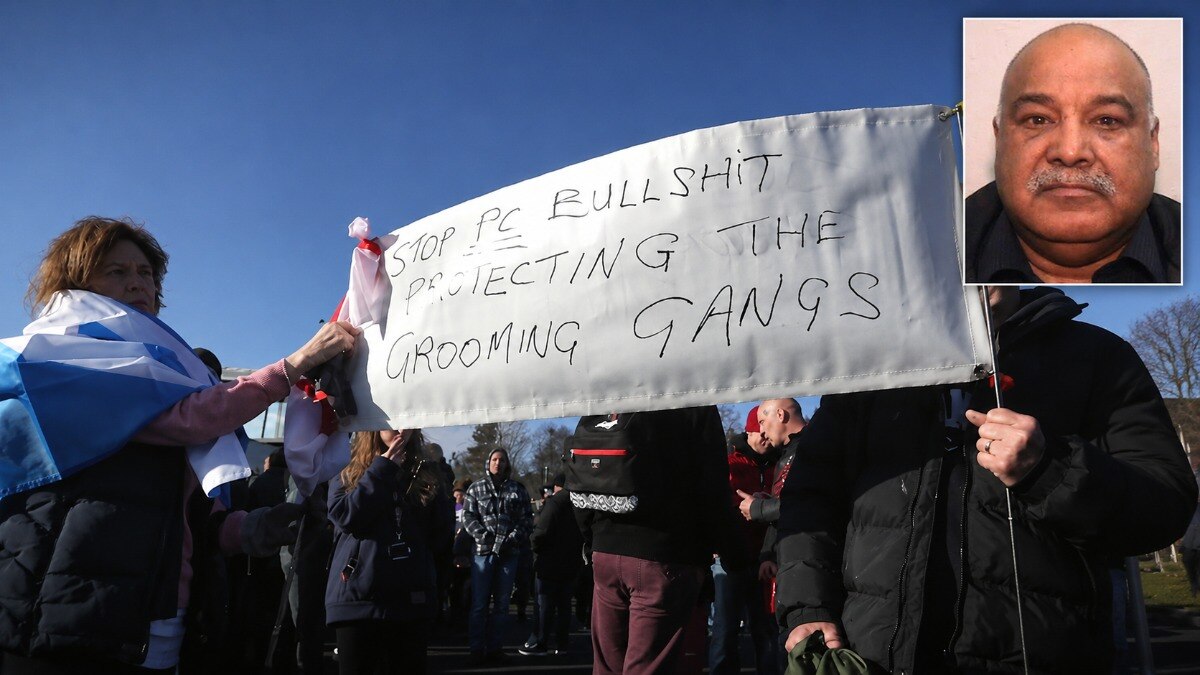
The number of small boat crossings reached 46,000 in 2022 and 41,000 last year. Though this is only a fraction of overall migration, the issue has become one of the main political questions, with anger focused on asylum seekers who are often housed at public expense. Unruly mobs have protested outside, and in some cases tried to set fire to, hotels housing asylum seekers.
Brexit has also reshaped British politics. Support for the Conservatives and Labour has weakened, and the Conservatives were voted out in 2024 after 14 years in power, much of it dominated by disputes over ties with Europe. The Labour government has not impressed either, and Prime Minister Keir Starmer appears close to announcing his resignation. Nigel Farage’s Reform UK, a party closely identified with the Brexit campaign, has led in almost every opinion poll for more than a year. Ipsos polls found that 52 per cent of people in the UK would like to rejoin the EU, while 33 per cent are against it. The pollster also found that 48 per cent think Brexit is going worse than expected, against 9 per cent who think it is going better, while 48 per cent would support another referendum on EU membership and 27 per cent would oppose one.
Against that backdrop, Labour has ruled out reversing Brexit or rejoining the EU’s single market, limiting its room to move. Starmer has sought a “reset” in relations with the EU, mainly to make trade easier, and hopes to announce more steps at a summit next month, if he remains prime minister. His most likely successor, Andy Burnham, softened talk of the UK rejoining the EU during the past month’s campaign, before winning a special election on Thursday against a Reform challenge in a seat that strongly backed Brexit. “I am not proposing that the UK considers rejoining the EU,” Burnham said. “I respect the decision that was made at the referendum, and it is going to undermine everything I have said about strengthening democracy if we don’t respect that vote.”
A decade after the referendum, Brexit remains an unresolved political issue in Britain, with its economic impact, migration debate and future ties with Europe still at the centre of national life.
With PTI Inputs
- Ends
Published By:
India Today Web Desk
Published On:
Jun 21, 2026 20:56 IST