1 hour ago
The US Department of Homeland Security has finalised a rule replacing duration of status with fixed visa terms for students, exchange visitors and foreign media. The change could force many Indian and other international students on longer courses to seek extensions and risk unlawful presence if delays occur.
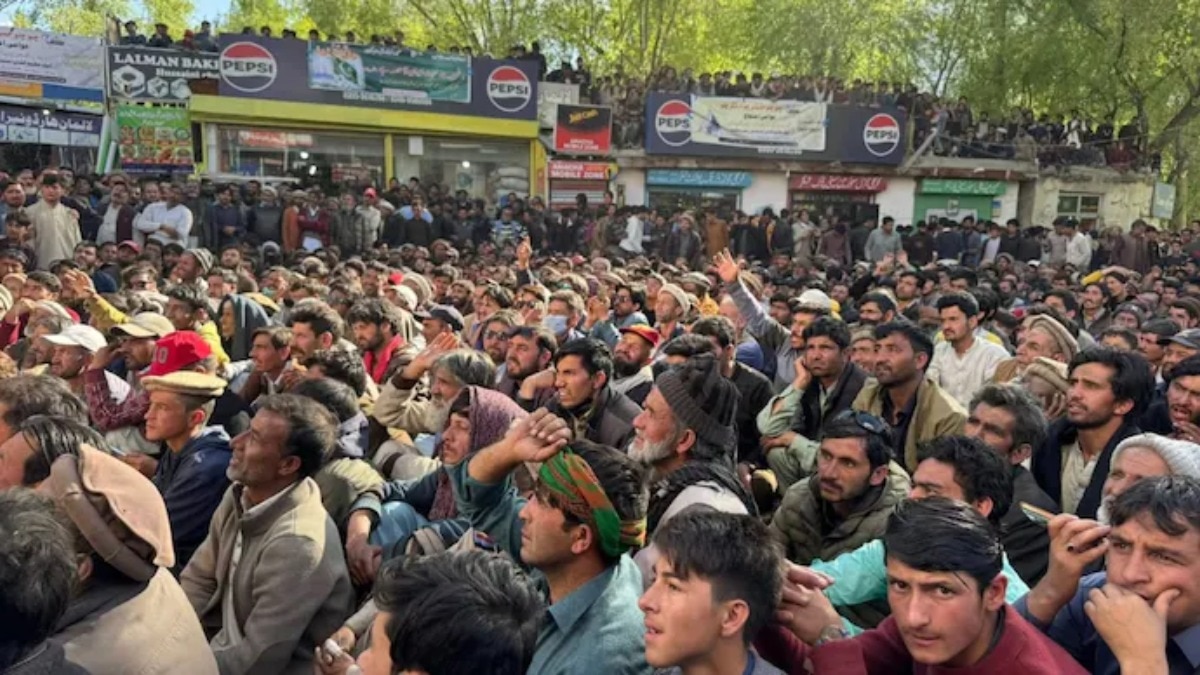
The regulation also introduces fixed periods of stay for J-1 exchange visitors and I visas issued to foreign media representatives. (Representative Image)

UPDATED: Jul 16, 2026 19:32 IST
students in the United States, including more than 3.3 lakh Indians, could soon face stricter immigration rules after the US Department of Homeland Security (DHS) finalised a regulation that replaces the long-standing "duration of status" system with a fixed period of stay.
According to Bloomberg, under the new rule released on Thursday, students on F-1 visas will generally be allowed to remain in the US for up to four years. Those who need more time to complete their studies will have to seek an extension from DHS before their authorised stay expires.
The regulation also introduces fixed periods of stay for J-1 exchange visitors and I visas issued to foreign media representatives. The move is now subject to congressional review before it takes effect.
The Trump administration said the changes are aimed at strengthening oversight of the visa system and addressing national security concerns. However, universities and education groups have warned that the rule could create uncertainty for thousands of international students whose academic programmes extend beyond four years.
END OF 'DURATION OF STATUS'
For decades, international students on F-1 visas have been admitted to the United States under a system known as "duration of status." Instead of receiving a fixed expiry date, students were allowed to remain in the country as long as they maintained full-time enrolment and complied with visa requirements.
The new DHS rule ends that arrangement.
Once the four-year admission period expires, students will no longer be able to continue their studies automatically. Instead, they will have to apply to DHS to extend their legal status if their degree or research programme is still ongoing.
The same framework will also apply to J-1 exchange visitors, including many foreign researchers and scholars working at American universities, as well as journalists holding I visas.
According to DHS, the change is intended to improve oversight of temporary visa holders and strengthen national security safeguards.
LATEST CHANGE IN TRUMP'S IMMIGRATION DRIVE
The new regulation is the latest immigration measure introduced by the Trump administration that directly affects international students.
Over the past year, DHS has taken several steps to tighten oversight of student visas. The agency terminated the legal status of thousands of students under its "Student Criminal Alien Initiative" and introduced tougher enforcement against alleged fraud involving F-1 visas.
The administration has also revised the H-1B visa lottery system, reducing the chances of selection for many early-career professionals seeking employment after graduation.
The latest policy adds to the uncertainty facing nearly 1.2 million international students studying in the US.
WHAT DOES THIS MEAN FOR INDIAN STUDENTS?
The rule is expected to have a significant impact on Indian students, who now form the largest international student community in the United States.
According to the Open Doors 2024 report, more than 331,000 Indian students were enrolled at US colleges and universities during the 2023-24 academic year. They account for nearly 30 per cent of all international students in the country.
Many Indian students pursue programmes that take longer than four years to complete. These include doctoral degrees, research-based master's programmes, medical training, engineering research and other specialised professional courses.
Under the new system, these students would have to secure an extension from DHS before the end of their authorised stay if they wish to continue studying legally.
WHAT HAPPENS IF A STUDENT'S STAY EXPIRES?
One of the biggest concerns surrounding the new rule is what happens if a student fails to obtain an extension before the authorised stay ends.
Unlike the current system, students whose legal stay expires could immediately begin accumulating unlawful presence in the United States.
In practical terms, even administrative delays, processing backlogs or paperwork errors could leave students temporarily out of legal status if an extension is not approved in time.
Although DHS has finalised the regulation, it will not take effect immediately. The rule must first undergo congressional review before an effective date is announced.
Until then, the existing "duration of status" framework remains in place.
- Ends
Published By:
Satyam Singh
Published On:
Jul 16, 2026 19:32 IST