2 weeks ago
After the UAE's exit, Iraq has become the latest OPEC member to challenge the oil cartel's production quotas. Iraq, the second-largest crude producer in the OPEC, has hinted at an exit unless its output ceiling is raised. The dispute threatens to deepen cracks within the Saudi Arabia-controlled alliance.
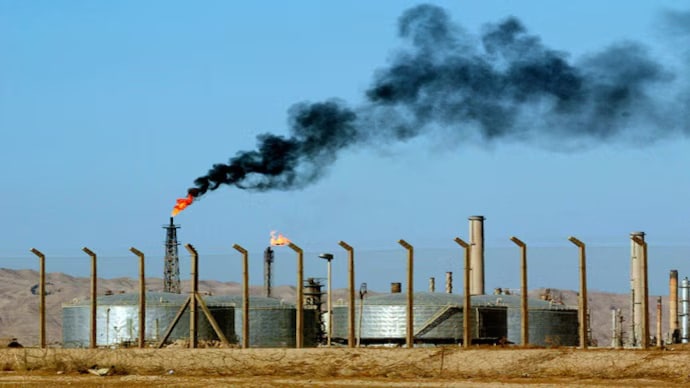
The Baiji refinery of Iraq, which is the second-largest oil producer in the OPEC group. (Image: File)
Iraq has warned that it might exit the Organization of the Petroleum Exporting Countries (OPEC) if the Saudi Arabia-controlled oil producer group does not grant it a significantly higher production quota, according to statements from Iraqi officials. This comes only months after the United Arab Emirates (UAE) announced its exit from the inter-governmental organisation in April, which coordinates oil production policies among its member states.
OPEC is a cartel of major oil-producing nations that coordinates production policies to influence global oil markets. Founded in Baghdad on September 14, 1960, by Iran, Iraq, Kuwait, Saudi Arabia and Venezuela, the organisation accounted for about 38% of global oil production in 2022.
Although OPEC operates by consensus, Saudi Arabia wields outsized influence as the group's largest producer, to the extent it is considered the de-facto leader of the organisation. In recent years, Riyadh has pushed members to limit output, leading to disagreements with countries seeking higher production quotas, including the UAE and now Iraq.
WHY IS IRAQ WEIGHING AN EXIT FROM OPEC?
While Baghdad has no immediate plans to leave the organisation, Oil Ministry spokesperson Salim Al-Rikabi told Bloomberg that Iraq believes OPEC should raise its production ceiling in line with the country's output capacity and economic needs. "The organisation should raise Iraq's production level," Al-Rikabi said. "Otherwise, a decision will have to be made regarding whether to remain in or withdraw from OPEC."
For context, OPEC controls oil production among its members by setting collective output targets and assigning specific production quotas to each member country, which are adjusted based on global demand and market conditions. It is these quotas that Iraq is reportedly chafing against.
The warning comes amid growing tensions within OPEC+ over production targets and follows the UAE's departure from OPEC earlier this year to pursue a more independent production strategy, Bloomberg reported.
News agency Reuters reported that Iraqi officials have been privately weighing the possibility of leaving the group if production quotas assigned to Baghdad are not increased substantially. A senior Iraqi oil ministry official told the agency that Iraq's concerns should be treated "with the utmost seriousness".
"Saudi Arabia and other OPEC allies should treat this matter with the utmost seriousness. Failing that, Iraq will be compelled to consider all available options," the official told Reuters. However, he stressed that an exit remains under consideration rather than policy, adding: "It's still premature for this step."
Iraq, OPEC's second-largest producer (producing four million barrels per day) and one of the five founding members of the organisation, has long argued that current production limits do not reflect its output potential.
The country has frequently pushed for higher quotas since the formation of OPEC+ in 2016, contending that it needs greater oil revenues to rebuild an economy damaged by decades of conflict and sanctions. Furthermore, one official in Iraq's oil ministry told Reuters that the country is suffering from a serious financial crisis as a result of the US-Iran war and that it needed higher oil quotas to deal with the situation.
The latest dispute comes as OPEC and its allies negotiate production baselines for next year. Bloomberg noted that signalling an apparent willingness to leave the group could be part of Baghdad's effort to secure a more favourable quota during those discussions. Reuters reported in May that the group had agreed to collectively increase oil output targets by 188,000 barrels per day to deal with the gap left behind by the UAE's withdrawal. But clearly, that has not been enough to satisfy Baghdad's requirements.
WHY IRAQ IS WARNING OPEC TO ALLOW IT TO RAISE PRODUCTION
The dispute has many parallels with the UAE, whose departure from OPEC was likewise driven by disagreements over production quotas.
The UAE's main grievance before leaving OPEC in April was that its production quota did not reflect its actual capacity. Abu Dhabi had invested heavily in expanding oil production and argued that OPEC restrictions prevented it from fully utilizing that capacity. UAE officials also wanted greater flexibility to monetize their reserves before the global energy transition reduced long-term oil demand.
Iraq is now advancing a similar argument, maintaining that its quota should better reflect its production capacity and economic requirements. Iraqi officials have repeatedly argued that the country requires higher oil revenues, which can only come from increased oil extraction, to rebuild its economy and finance development after decades of war, sanctions, instability, and the damage caused by the US-Iran war.
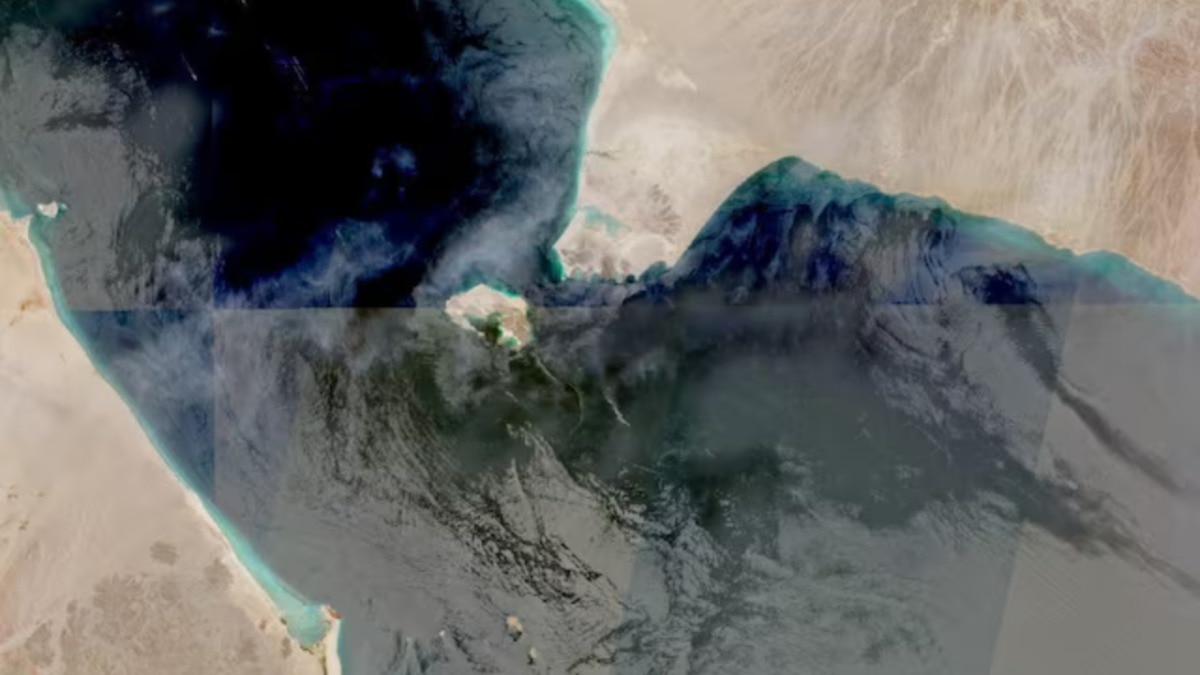
Reuters reported that Iraq is also seeking to restore its full export capacity after disruptions caused by the US-Iran war and the temporary impact on shipping through the Strait of Hormuz. Government spokesperson Haider al-Aboudi said Iraq aims to increase oil production to 7 million barrels per day in the coming years.
"Iraq is working to restore its full oil export capacity and aims to raise oil production to 7 million barrels per day over the coming years," al-Aboudi told Reuters.
HOW WOULD IRAQ'S EXIT IMPACT OPEC?
Despite the warning, Iraqi officials have reiterated that the country remains committed to OPEC for now and will continue working within the organisation's framework while seeking a larger production allocation.
Nevertheless, should the worst come to pass, an Iraqi exit would deal a significant blow to OPEC, whose influence over global oil markets has weakened in recent years amid rising production from US shale operators (the US has become the world's largest oil producer thanks to an increase in the extraction of shale oil) and other non-OPEC producers, the recent Iran conflict, and the UAE's departure from the cartel.
Note, OPEC's influence stems from its ability to affect global oil prices by coordinating production levels among its member states. By collectively increasing or reducing output, the group can influence the balance between supply and demand in global energy markets. However, this influence weakens when member countries choose to produce oil independently of OPEC quotas or leave the organisation altogether, reducing the group's ability to control overall supply.
The prospect of Iraq going the way of the UAE comes at a time when oil prices have surrendered most of the gains triggered by the Iran war, highlighting producers' eagerness to restore output in an already well-supplied market. Analysts warn that further fragmentation within OPEC could increase the risk of a future price war.
Iraq's departure would carry particular symbolic weight, as the country was one of OPEC's five founding members when the organisation was established in Baghdad in 1960. With Iraq being the group's second-largest oil producer, its exit would also reduce OPEC's share of global oil production and further erode the group's influence over global energy markets.
- Ends
Published By:
Shounak Sanyal
Published On:
Jun 25, 2026 19:28 IST