1 hour ago
Andy Burnham takes over as Britain's prime minister on Monday after Keir Starmer's abrupt exit. His return from Greater Manchester lifts Labour hopes but sharpens questions over delivery.

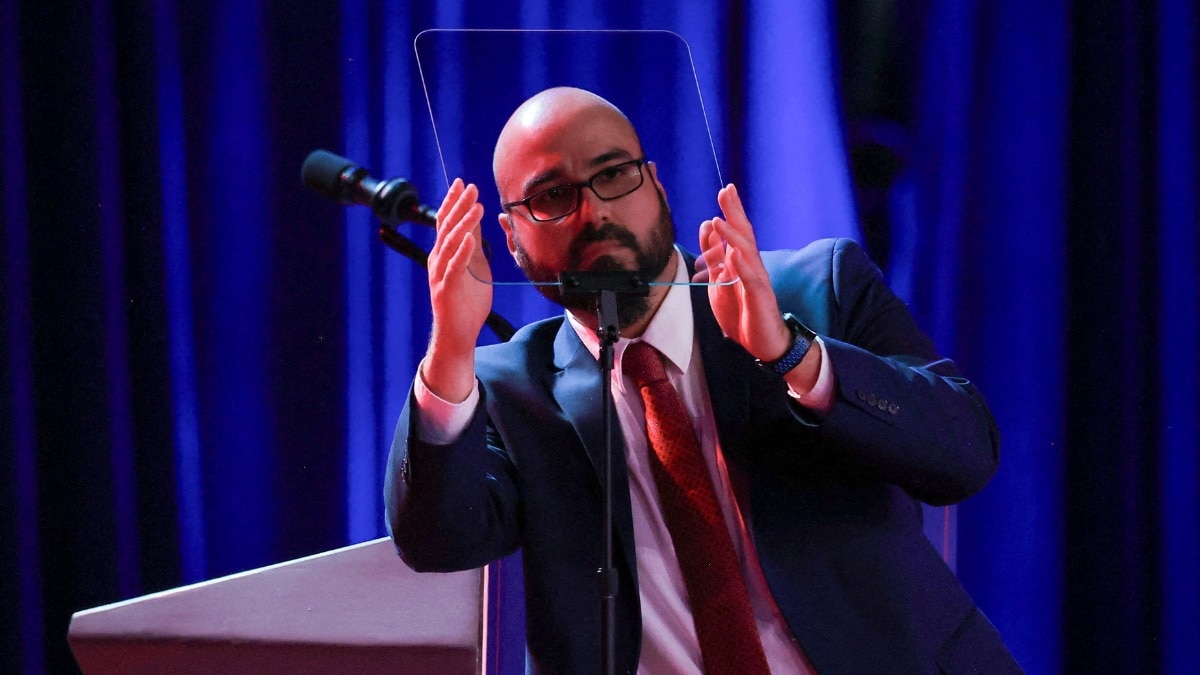
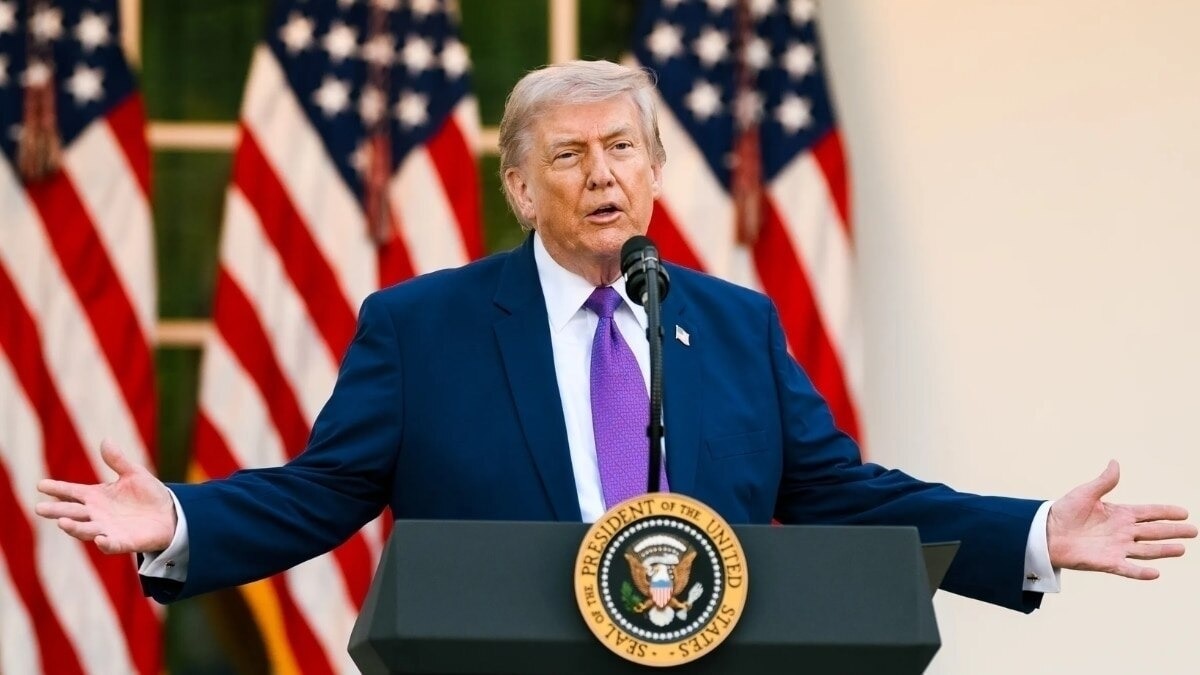
Stock photo used for illustration

London,UPDATED: Jul 17, 2026 14:14 IST
Andy Burnham will become Britain’s 59th prime minister on Monday after the sudden fall of Keir Starmer, who leaves office after two years. Burnham, 56, returns to central politics after a decade in Greater Manchester and takes office with high expectations and major questions over how he will lead.
A month ago, Burnham won a risky by-election to return to Parliament after leaving Westminster in 2017 to become mayor of Greater Manchester. Joshi Herrmann, founder of Manchester news site The Mill, said: "A whole range of people across the Labour movement and in the country have projected onto Andy Burnham their hopes and their fantasies about how the country should be run and what Labour should stand for and what Andy Burnham stands for." He added, "He has got lots of people’s hopes up."
Burnham made his name in Manchester, but he was born in Liverpool and grew up in a commuter village between the two rival north-west English cities. His father was a British Telecom engineer and his mother a receptionist, and he was raised in a close-knit Catholic family. Burnham has said he is "not particularly religious", but that Catholic teaching and the centre-left Labour Party helped shape his values and sense of social justice.
He and his brothers were the first in their family to go to university. Burnham went to Cambridge, though his former English teacher at St Aelred’s Catholic High School, Stephen Harrington, said he needed encouragement to apply. "He needed a lot of persuading to apply because he felt that as a working-class boy, going off to Cambridge wasn’t for him," Harrington told the BBC. "He didn’t believe in himself. But he did it, and the rest is history." Burnham later said he felt out of place there among students from affluent private-school backgrounds in southern England. He graduated in English, met his future wife, Dutch fellow student Marie-France Van Heel, and the couple, who married in 2000, have a son and two daughters.
After university, Burnham worked as a journalist on trade magazines before moving into politics as a researcher and adviser to Labour politicians. He was elected MP for Leigh, near Manchester, in 2001 and rose through government under Labour prime ministers Tony Blair and Gordon Brown. Between 2007 and 2010, he served in Brown’s Cabinet as chief secretary to the Treasury, culture secretary and health secretary.
A defining moment came in 2009, when he was heckled at a commemoration of the 1989 Hillsborough stadium disaster, in which 97 Liverpool football fans were crushed to death. The families of the victims had spent years fighting claims by police that the fans were to blame. Burnham later became a leading supporter of the families and helped press for a new inquest, an apology and a law requiring public officials to tell the truth about tragedies, whatever the effect on their reputation.
After Labour lost power in 2010, Burnham ran unsuccessfully for the party leadership in 2010 and again in 2015. He then left Parliament in 2017 to run for mayor of Greater Manchester at a difficult time for Labour nationally. The role suited him, with his emphasis on bringing people together, spotting opportunities and working pragmatically. His approach became known as "Manchesterism", aimed at using private and public money to invest in transport, housing and infrastructure.
During his time as mayor, Manchester expanded rapidly, with new towers rising on former industrial land. Burnham won praise for bringing a fragmented public transport network under public control and improving it. He also sharpened his public image, swapping suits for jeans and dark T-shirts, speaking about his love of Oasis, The Smiths and New Order, and spending free time playing football or taking part in DJ battles with 1990s music.
During the COVID-19 pandemic, Burnham repeatedly challenged Conservative prime minister Boris Johnson over what he called a "London-centric" response that was hurting northern cities. That period brought him the nickname "King of the North", a reference both to his defence of his region and to his political ambition.
Burnham has said his earlier work in central government was "unfinished business". His opportunity came after Starmer was forced to resign by Labour colleagues worried by the party’s unpopularity. Burnham still needed to return to Parliament, and a Labour MP resigned to trigger a by-election in Makerfield, near Manchester. Burnham defeated the candidate from the anti-immigration Reform UK party by a wide margin, strengthening his standing as a political winner. He then became Labour leader without opposition.
He now says he will deliver "a new politics based on unity and hope" and "an economy that works for everybody", wherever they live. A central part of his plan is to give more powers to regional leaders, and he intends to move part of the prime minister’s office to a "No. 10 North" in Manchester. Herrmann said Burnham’s strengths include his ability to tell a persuasive story and a level of empathy many politicians lack. He added that Burnham has "a set of principles about trying to make the country fairer, trying to bring people out of poverty, that he really does believe in".
Critics say Burnham’s politics remain unclear on key issues, including how he would fund his promises. He also faces many of the same problems that troubled Starmer, including a weak economy, stretched public services and pressure on household budgets. He has limited experience in foreign policy, including the war in Ukraine and dealing with US President Donald Trump. Sacha Lord, the Manchester music entrepreneur who served as Burnham’s adviser on the nighttime economy, said Burnham also has a harder edge. "He’s not scared of locking horns with people," Lord said. "Everybody thinks Andy’s this nice, cheeky-chappy guy. But trust me, when he wants something ... he tends to get it."
Burnham enters Downing Street after a career marked by setbacks, comebacks and a long spell in regional office. As he moves from leading Greater Manchester to leading Britain, he carries both the hopes of Labour supporters and the challenge of turning them into results.
With PTI Inputs
- Ends
Published By:
India Today Web Desk
Published On:
Jul 17, 2026 14:14 IST