 1 hour ago
US forces struck bridges near Bandar Abbas and collapsed a tower at Chabahar port as Iran fired missiles at Qatar and other regional states. The renewed attacks have deepened the fight over the Strait of Hormuz, disrupting shipping and weakening mediation efforts.

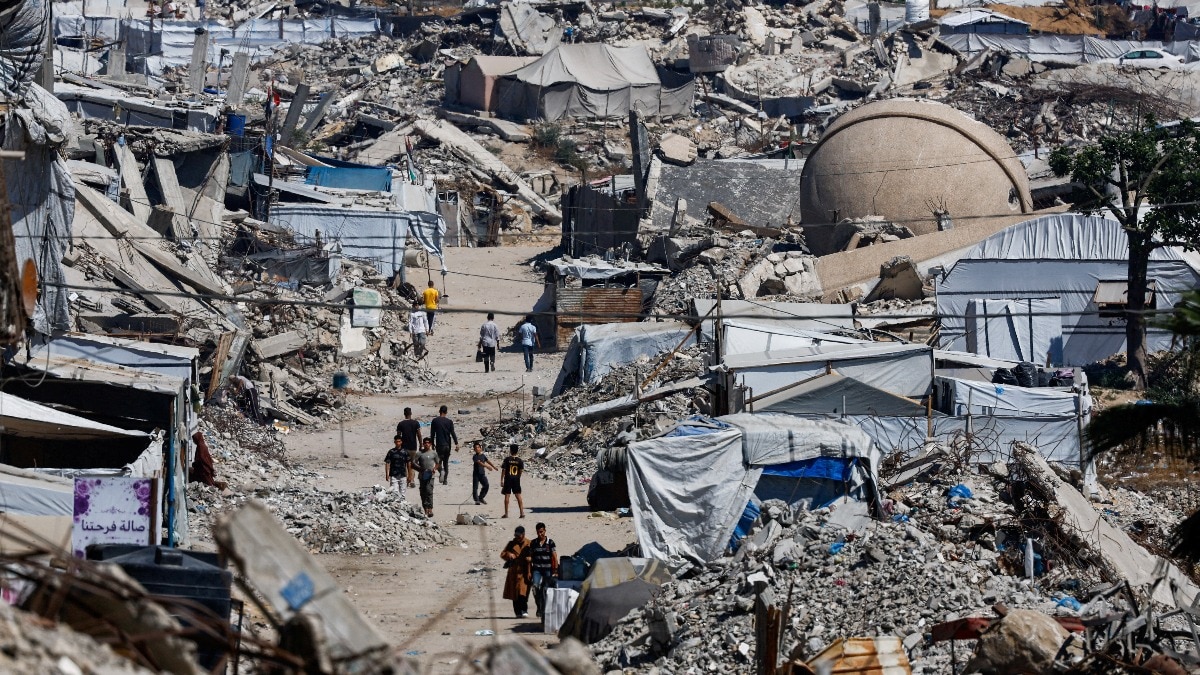
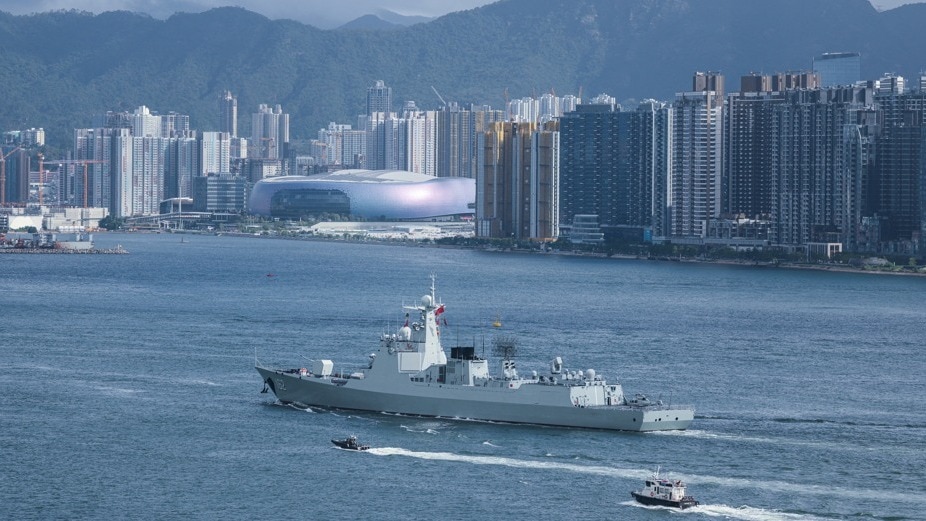
Image used for representational purposes only

Dubai,UPDATED: Jul 17, 2026 11:12 IST
The United States expanded its airstrike campaign against Iran early Friday, hitting more bridges and collapsing a tower at Chabahar port as President Donald Trump stepped up pressure on Tehran over its control of the Strait of Hormuz. Iran responded with fresh missile attacks on US-allied countries in the Middle East, including Qatar, which has been a key mediator in the war.
The interim ceasefire agreed last month has collapsed, and the region has seen days of back-and-forth attacks between the US and Iran as they fight over control of the strait. Iranian officials said US strikes have killed dozens of people and wounded hundreds, with new casualties reported in Friday's attacks.
When the US and Israel launched the war on Iran on February 28, Tehran effectively closed the strait to shipping traffic, pushing oil prices sharply higher and giving Iran leverage in negotiations. In a primetime address, Trump said the war was going well. "We are likewise winning big in Iran, and you will see the fruits of that labor very, very shortly," he said.
Overnight strikes in Iran's southern Hormozgan province hit bridges in Bandar Khamir, a coastal city on the Strait of Hormuz, killing at least seven people, Iranian state television reported. The highway and railway bridge strikes appeared aimed at cutting off Bandar Abbas, Iran's main port, from routes leading to the country's central region and on to Tehran. Other routes remain open, but the strikes could still disrupt the movement of military supplies and goods needed by Iran's 90 million people.
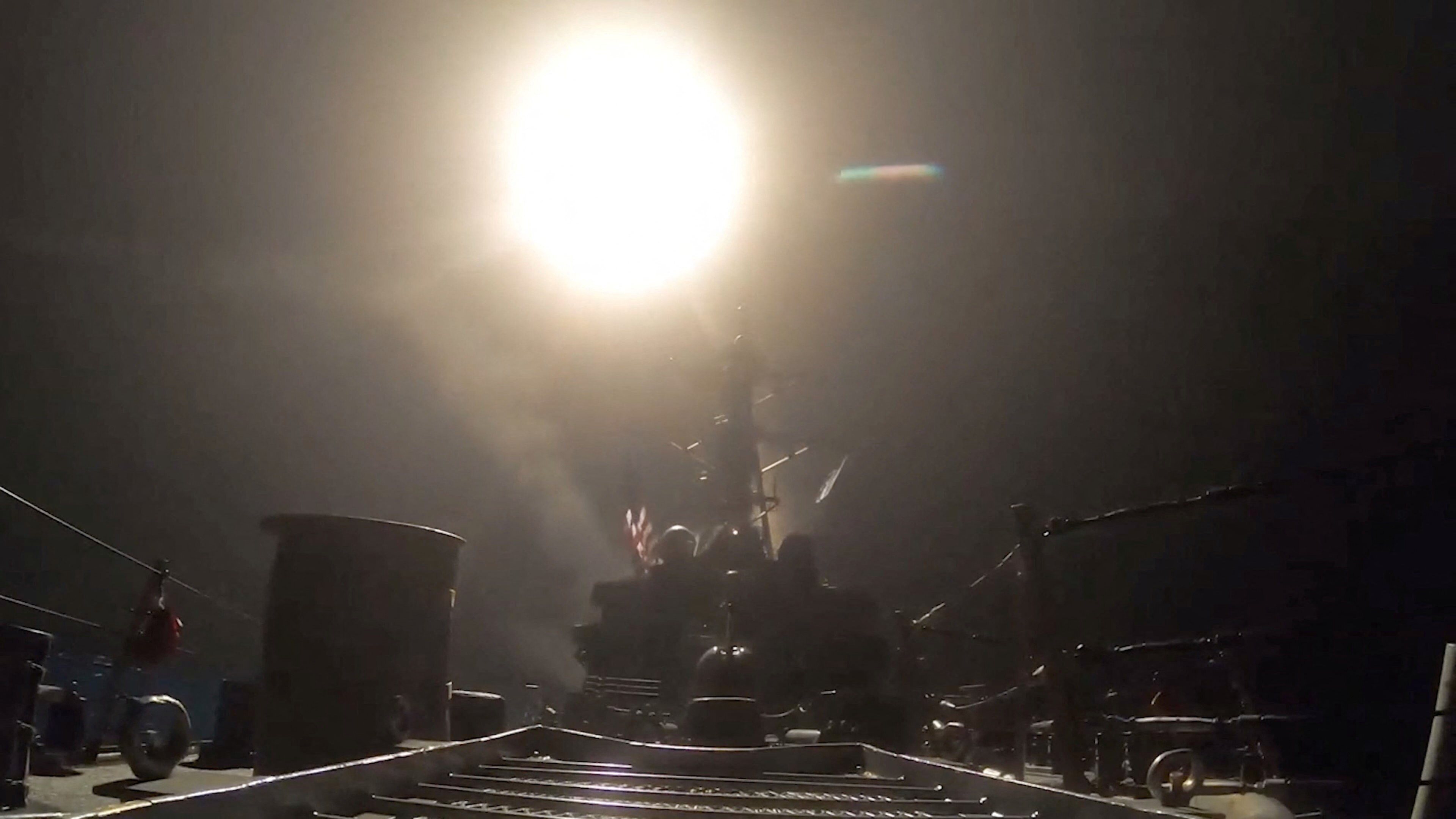
The US military's Central Command said it hit dozens of targets in its latest airstrikes, which ended at dawn Friday and marked the sixth straight night of American attacks. The strikes also brought down a tower at Iran's Chabahar port on the Gulf of Oman, a key trade route for neighbouring Afghanistan, according to the state-run IRNA news agency.
US Defence Secretary Pete Hegseth shared an image of the surveillance tower collapsing as part of efforts to assert American control over the strait. The image had already circulated on social media through activists before Hegseth posted it. Chabahar port, which Iran has been operating with support from India, has repeatedly been targeted in US airstrikes. Iranian state media acknowledged a third round of strikes on the facility without immediately confirming the tower's collapse. Iran said the tower monitored commercial traffic into the port, though the paramilitary Revolutionary Guard also operates at ports across the country.
Iran's retaliation widened on Friday. Qatar twice warned people to take shelter as a barrage of Iranian missiles targeted the country. Explosions were heard overhead as air defences tried to intercept the missiles, and Qatar's Interior Ministry said falling debris wounded a child. Qatar, along with Pakistan, has been trying to mediate an end to the war, but talks have broken down over Iran's control of the Strait of Hormuz.
Iran also targeted Bahrain and Kuwait early Friday. Jordan's military said it intercepted three incoming missiles launched by Iran on Friday morning. Explosions were also heard in Irbil and Sulaymaniyah in Iraq's semi-autonomous Kurdish region as air defences engaged incoming fire, though there was no immediate word on damage.
In recent days, Trump has renewed threats to target Iranian power stations and bridges to force Tehran to loosen its hold on the strait, through which about a fifth of all oil and natural gas traded once passed in peacetime. The US has also reimposed a naval blockade on Iranian ports to stop crude oil shipments.
According to maritime data firm Lloyd's List Intelligence, weekly cargo traffic through the strait fell by nearly a quarter at the start of the month, even before the latest rise in attacks. Lloyd's said on Thursday that some oil shippers were moving through the strait with location devices switched off, while many others were not moving at all. A growing share of the region's energy is now being transported through pipelines, but not enough to make up for the fall in shipping through the strait.
Central Command said US forces redirected three commercial vessels trying to break the blockade, disabled one that did not comply, and boarded another "to ensure full compliance". The latest strikes, Iran's missile attacks on regional allies, and the disruption to shipping underline how the battle over the Strait of Hormuz has become central to the conflict.
With PTI Inputs
- Ends
Published By:
India Today Web Desk
Published On:
Jul 17, 2026 11:12 IST