1 hour ago
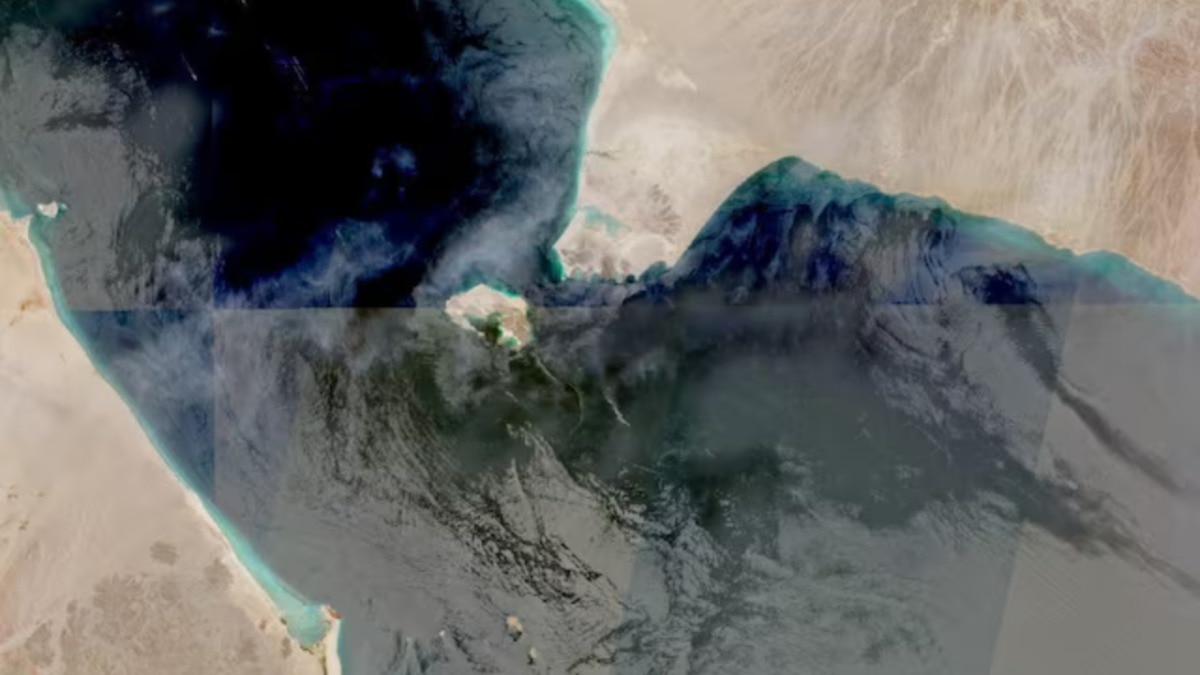
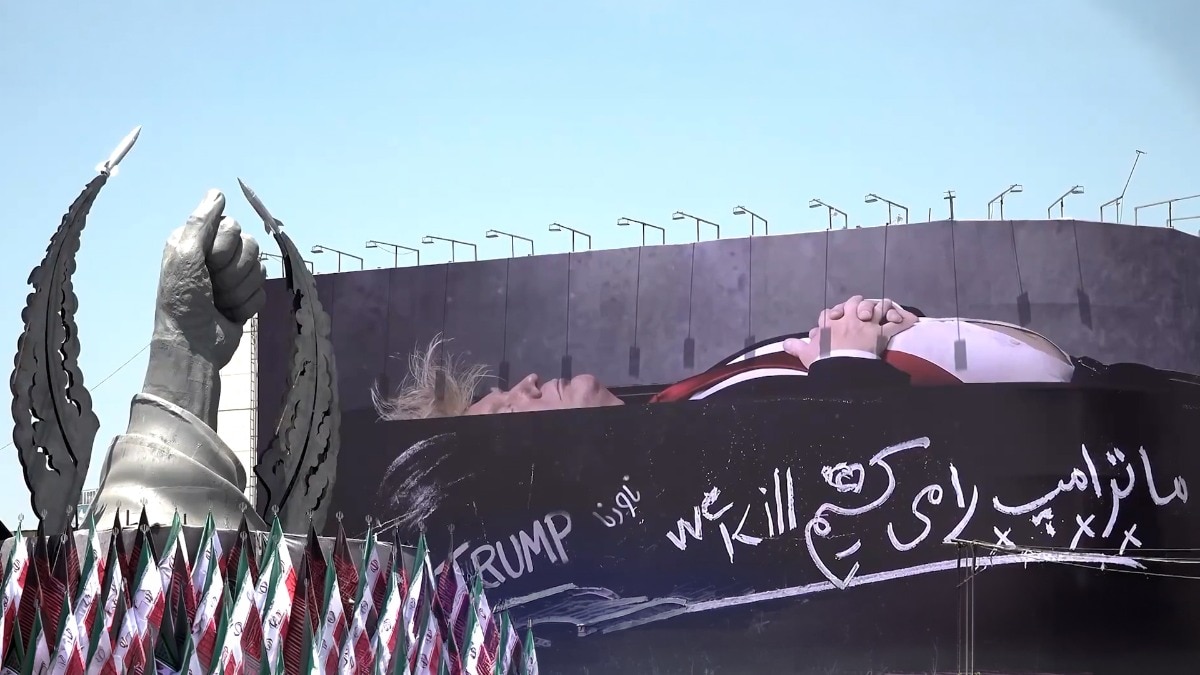
The Iran-US interim deal has broken down as airstrikes, shipping attacks and the blockade return. The collapse has stalled nuclear negotiations, revived oil sanctions and deepened instability around the Strait of Hormuz.

Stock photo used for illustration

Washington,UPDATED: Jul 16, 2026 23:54 IST
The conflict between Iran and the United States has intensified in recent days, and an interim agreement meant to stop the fighting has collapsed less than a month after it was signed. The Memorandum of Understanding was supposed to end military operations, reopen the Strait of Hormuz and pave the way for a permanent peace deal and an agreement on Iran's nuclear programme within 60 days.
Instead, fighting has resumed, shipping through the strait remains badly disrupted, the US has restored its blockade on Iranian ports and sanctions relief on Iranian oil exports has been withdrawn. There has also been no public sign of progress towards a final agreement, while the dispute over Iran's nuclear programme remains unresolved.
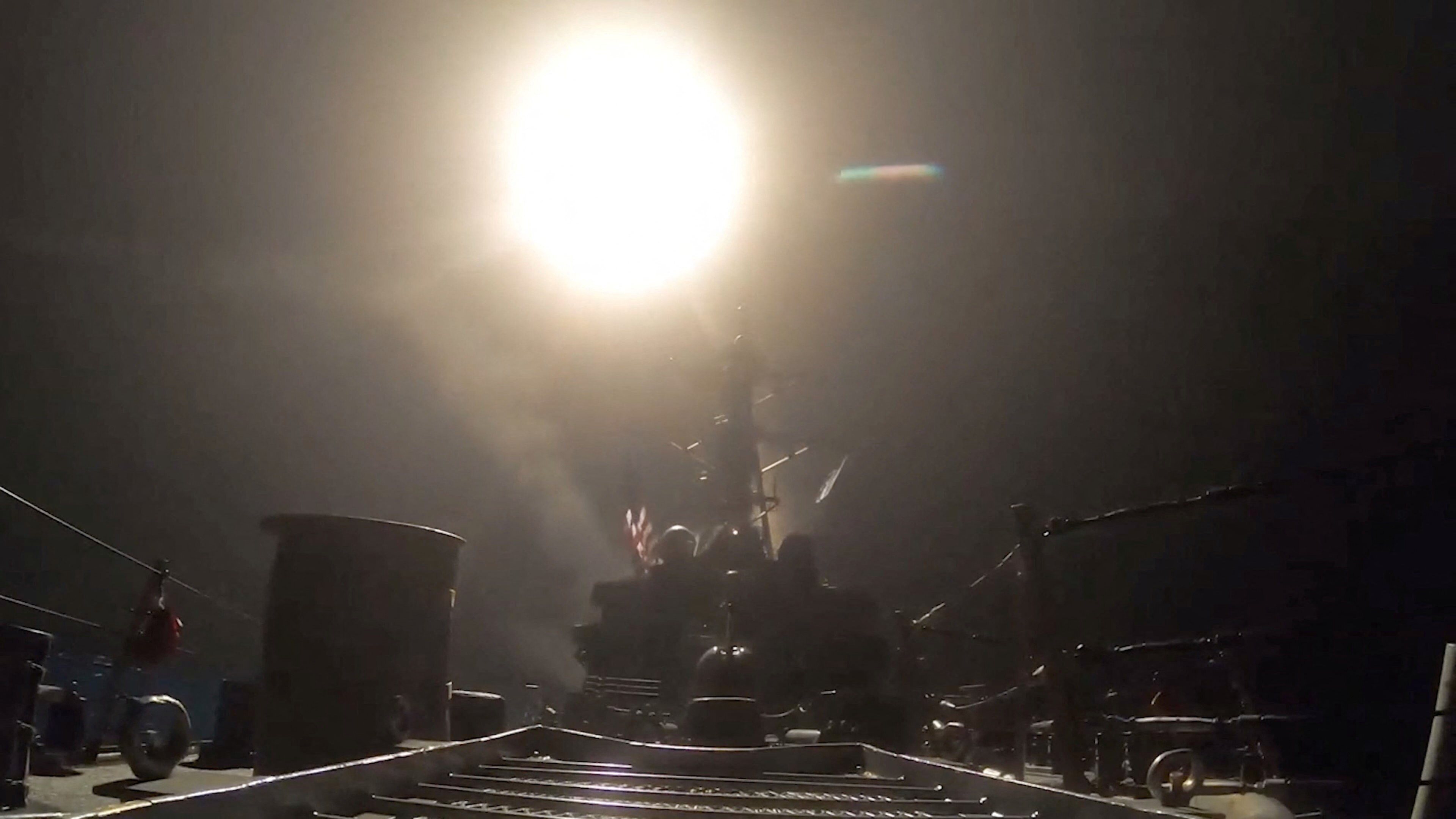
Under the deal, the US, Iran and their allies had declared the "immediate and permanent termination of military operations on all fronts, including in Lebanon" and pledged not to initiate military action against each other. But the US has launched days of airstrikes on Iran in response to its attacks on commercial ships in the Strait of Hormuz. Iran, in turn, has fired at Arab countries hosting American troops. A ceasefire between Israel and Lebanon's Iran-backed Hezbollah, reached shortly after the Iran agreement, has largely held despite renewed hostilities elsewhere.
The agreement also said Iran would use its best efforts to ensure the safe passage of commercial vessels through the Strait of Hormuz for 60 days without charge, with traffic to resume immediately and be fully restored within 30 days after technical and military obstacles were removed and demining was carried out. It also said Iran would hold talks with Oman and other Gulf states on the future administration and maritime services of the strait in line with international law and the rights of coastal states.
That clause appears to have become the main point of dispute. Iran says it gives it the right to manage traffic through the strait and possibly charge tolls after 60 days. The US and others reject that interpretation and say the waterway should remain open to all ships without fees, as it was before the war. The US has created an alternative route along Oman's coast and outside Iran's control, but Iran's attacks on ships using that route triggered the latest escalation. Traffic through the strait rose after the deal was signed, but stayed well below pre-war levels and has fallen sharply again in recent days.
The MOU had also said the US would begin lifting its naval blockade immediately and end it fully within 30 days, with vessel traffic restored in proportion to pre-war levels. It further said US forces would be removed from the proximity of Iran within 30 days of a final agreement. But this week the US restored its blockade on Iranian ports, citing Iran's attacks on commercial shipping in the strait. On Thursday, US forces opened fire on a ship they said was trying to break the blockade.
On sanctions, the US had undertaken to issue waivers immediately for the export of Iranian crude oil, petroleum products and derivatives, along with related banking, insurance and transport services, until sanctions were terminated. Those waivers were issued, but later revoked after Iran's attacks on shipping.
The two sides had committed to negotiating a final deal in a "maximum 60 days extendable with mutual consent" and said talks would begin once initial steps under the MOU were being implemented. However, there has been no public sign of progress. Negotiations were apparently paused during last week's funeral for Iran's Supreme Leader Ayatollah Ali Khamenei, who was killed in the opening US and Israeli strikes. It is unclear whether the talks have restarted or whether any progress has been made. The 60-day timeline points to a mid-August deadline.
On the nuclear issue, Iran reaffirmed in the agreement that it would not acquire or develop nuclear weapons, and both sides said they would work out what would happen to Iran's stockpile of enriched material, with the minimum method described as on-site downblending under Atomic Energy Agency supervision. They also agreed to discuss enrichment and other issues related to Iran's nuclear needs as part of a final accord. But there is no clear sign of movement towards resolving the issue within 60 days. Iran has made no public concessions and has repeated its longstanding claim that its programme is peaceful. It has also refused to allow IAEA inspectors to visit bombed nuclear sites where its highly enriched uranium is believed to have been buried.
Other parts of the interim deal also remain uncertain. The agreement referred to a USD 300 billion reconstruction fund for Iran as part of a final settlement, but it is still unclear where that money would come from. The US also pledged to lift all sanctions under a final accord, though American officials have said that would depend on progress on nuclear and other issues. For now, the interim deal has broken down, key commitments on shipping, sanctions and negotiations are stalled, and the wider conflict has flared up again.
With PTI Inputs
- Ends
Published By:
India Today Web Desk
Published On:
Jul 16, 2026 23:54 IST