1 hour ago
The United States widened its strikes into northern Iran and targeted a tanker near Tehran's oil lifeline. Iran answered with attacks on US-backed regional partners, raising the risk of a broader Hormuz crisis.

Dubai,UPDATED: Jul 17, 2026 00:04 IST
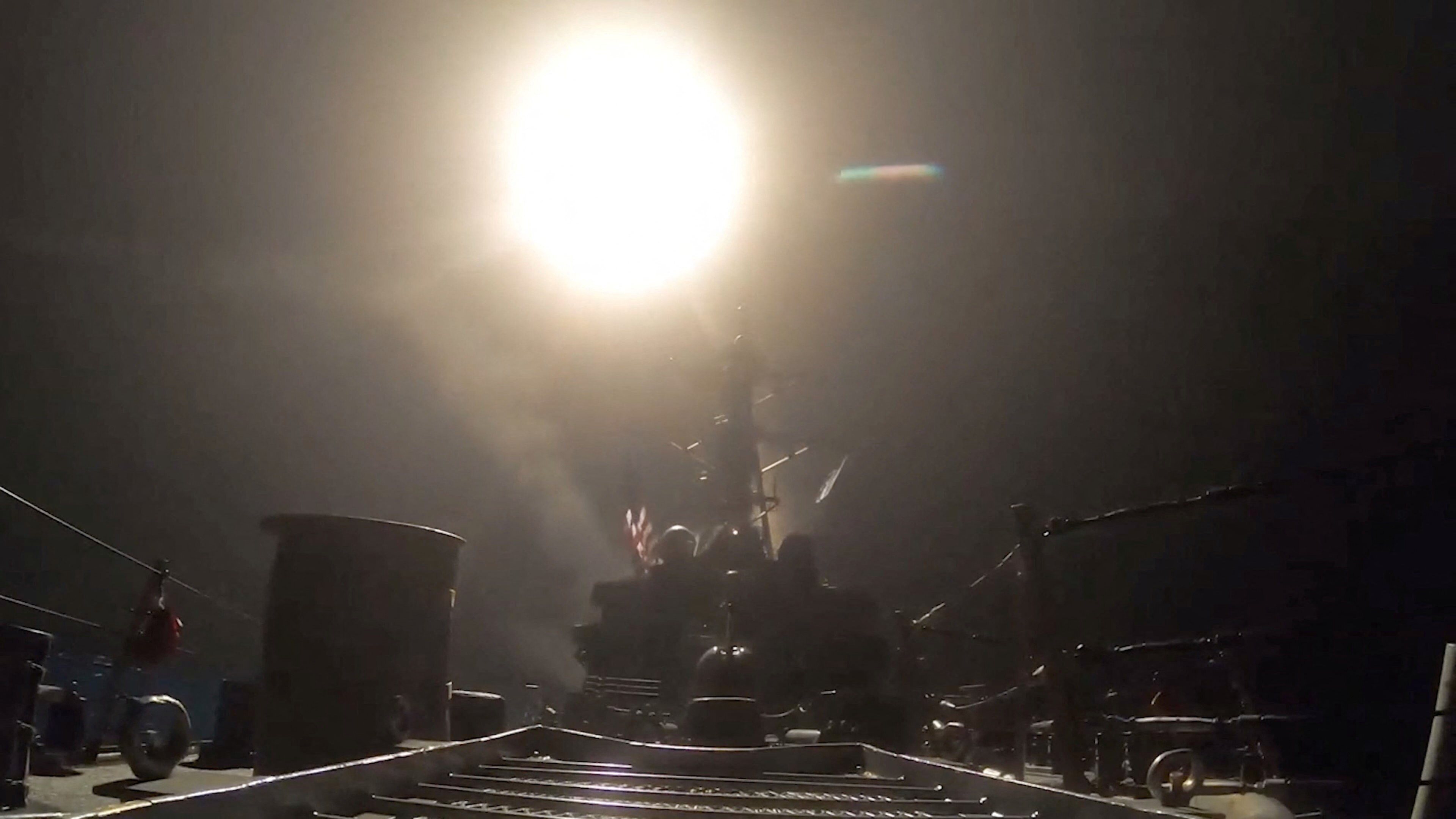
The United States intensified its strikes on Iran on Thursday, hitting targets farther north for the first time in the latest round of fighting and firing at a ship Washington accused of trying to breach its naval blockade. Iran responded with missiles and drones aimed at US allies in the region and warned that its attacks could widen.
The latest escalation came after an interim ceasefire agreed last month collapsed, triggering days of back-and-forth attacks between the US and Iran over control of the Strait of Hormuz. Iranian officials said US strikes have killed more than 35 people and injured over 300, while shipping through the vital waterway has fallen sharply and oil prices have risen.
Iranian state media said Thursday's US strikes hit areas around Tehran and Semnan province, which is home to Iran's ballistic missile production and space programme. It also reported attacks around Hamedan, Hormozgan, Khuzestan, Lorestan, Markazi and Sistan and Baluchestan provinces, as well as Qeshm island near the Strait of Hormuz.
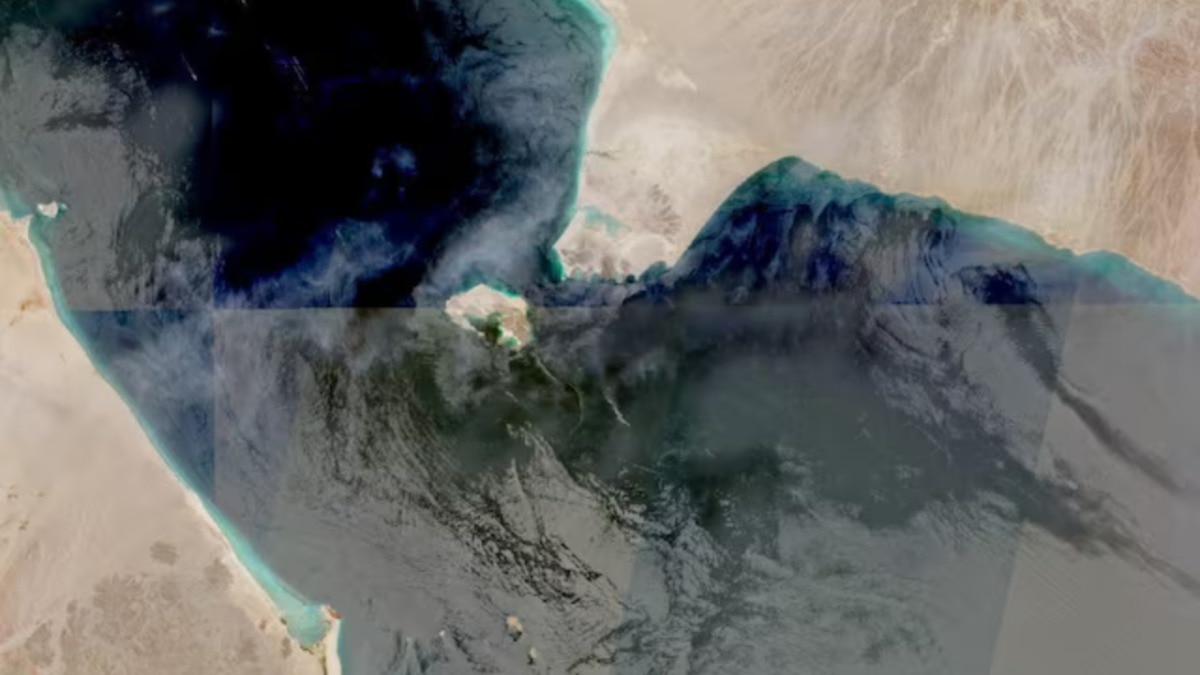
US Central Command said an attack on Greater Tunb Island targeted Iranian defence and missile sites. Greater Tunb is one of three small islands at the meeting point of the Persian Gulf and the Strait of Hormuz. Seized by Iran in 1971 from what would become the United Arab Emirates, the islands help Tehran exert significant control over the strait.
The US military also said it disabled a Curacao-flagged oil tanker that was sailing towards Iran's main oil export terminal, firing a missile after the ship "ignored multiple warnings". Separately, Iranian state television said another American strike on Wednesday hit a barracks of Iran's 388th Mechanised Infantry Brigade in Sistan and Baluchestan province, killing seven people, including conscripts and career soldiers.
Iranian military spokesperson Col. Ebrahim Zolfaghari said Iran could launch widespread attacks on "all the infrastructure in the region" if the US acts on President Donald Trump's repeated warnings that America could hit Iranian bridges and power plants. "Under no circumstances and in no way will we allow America, as a foreign and extraregional country, to interfere in the Strait of Hormuz," he said. "This is Iran's invincible red line."
Iran retaliated on Thursday with missile and drone attacks on Bahrain, Jordan and Kuwait, authorities in those countries, which host US forces, said. There was no immediate acknowledgement of damage or casualties. Iraqi Prime Minister Ali al-Zaidi condemned an overnight drone attack in Iraq's semi-autonomous northern Kurdish region. Authorities said the drone was intercepted. It came during his trip to the US, where he said Iraq would work to disarm non-state armed groups, including those backed by Iran. A separate drone also targeted a tanker in the Persian Gulf off Basra in southern Iraq on Thursday afternoon, the state-run INA news agency reported. No casualties were reported.
The current fighting is centred on the Strait of Hormuz after Iran began attacking ships using a US-controlled route through the waterway. When the US and Israel launched the war on Iran on February 28, Tehran effectively closed the strait to shipping, sending oil prices sharply higher and giving Iran leverage in negotiations. Lloyd's List Intelligence said weekly cargo shipments through the strait fell by almost a quarter at the start of the month, even before the latest surge in attacks. It said some shippers were moving through the strait with location devices turned off, while many others were staying put. Although more energy is now moving through pipelines, Lloyd's said it is not nearly enough to make up for the fall in shipping. Brent crude, the international benchmark, traded above USD 85 a barrel on Thursday, more than 15 per cent above its level before the war, though still below the nearly USD 120 reached at the height of the conflict.
The US reimposed a naval blockade on Iranian ports on Wednesday, even as Trump said a deal remained possible. "They don't like what we're doing, and they do want to settle. We'll find out whether or not we settle with them, or we just finish it off," he said at the US Army War College in Pennsylvania. Pakistan's Foreign Ministry said on Thursday that efforts were still under way to bring Washington and Tehran back to the negotiating table, though it acknowledged that this was becoming increasingly difficult. Trump also said on social media that Tehran had made a goodwill gesture by releasing an American citizen detained in Iran since 2024. Human rights lawyer Jared Genser identified the detainee as his client Dena Karari, a US-Iranian citizen who runs a non-profit and was charged with espionage. Iran did not immediately acknowledge the release, and the case had not been publicly known.
With strikes now reaching areas around Tehran, retaliation spreading to US allies and shipping in the Strait of Hormuz under growing pressure, the conflict has widened even as both military action and diplomatic efforts continue in parallel.
With PTI Inputs
- Ends
Published By:
India Today Web Desk
Published On:
Jul 17, 2026 00:04 IST