4 weeks ago
Donald Trump and Iran's President signed an initial deal to end the war. However, the agreement has left Benjamin Netanyahu politically exposed as the deal failed to meet a single objective for which Israel pursued the Iran war.
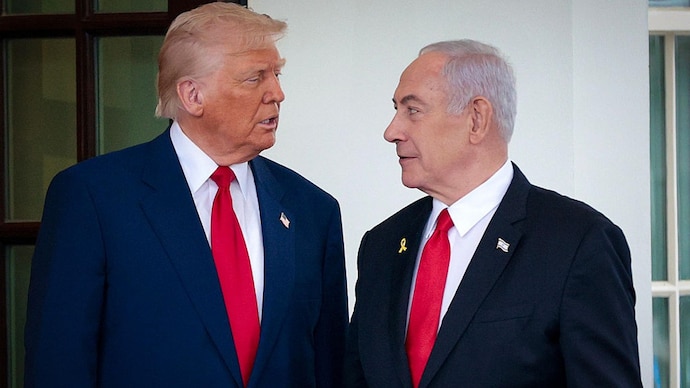
US President Donald Trump and Israeli PM Benjamin Netanyahu
The Iran conflict had a quiet end as Donald Trump and Iranian President Masoud Pezeshkian signed an interim peace deal. Trump framed it as a major win for the US. But Iran is still standing, surviving a month-long offensive by two of the world's largest military powers. In hindsight, the war yielded no winner. But, for Israeli Prime Minister Netanyahu, the conflict has turned out to be a bust and a political disaster. It raises a pertinent question. Did 'Bibi' emerge as the biggest loser?
The reality will be a tough pill to swallow for Netanyahu, who faces a crucial high-stakes election this October. Over the past three years, Netanyahu has entered into conflicts with Iran, Hamas in Gaza and Hezbollah in Lebanon. He promised a "new Middle East". Three years down the line, while there have been military successes, the conflicts have not brought any lasting victories for Israel.
DID NETANYAHU EMERGE AS THE BIGGEST LOSER?
Instead, the new Middle East looks like this - Hamas still controls a part of Gaza, Hezbollah has survived in Lebanon, and a wounded Iranian regime is still intact with a new Supreme Leader and a more powerful Islamic Revolutionary Guards (IRGC). Moreover, while Israel and the US went to war with Iran together, Tel Aviv was largely sidelined from the peace deal negotiations. That Pakistan was chosen by Trump as the intermediary only made matters worse.
The harsh reality is that Netanyahu gambled everything on his war. The interim deal between the US and Iran leaves several of Israel's goals unaccomplished and has also alienated Netanyahu from Trump. The ties are not the same like it was in February when Netanyahu walked into the White House with a plan to attack Iran and readily impressed Trump. The agreement basically leaves the Israeli Prime Minister with no achievements to sell four months before the elections.
Attacking Iran and destroying its proxies like Hezbollah was a decades-old obsession for Netanyahu. He has long portrayed Iran and its proxies as a threat to Israel and the Middle East. However, the Israeli PM lacked a willing partner in the White House. After Trump's re-election, Netanyahu sensed an opportunity. His bet paid off as Israel and the US pounded Iran on February 28 this year.
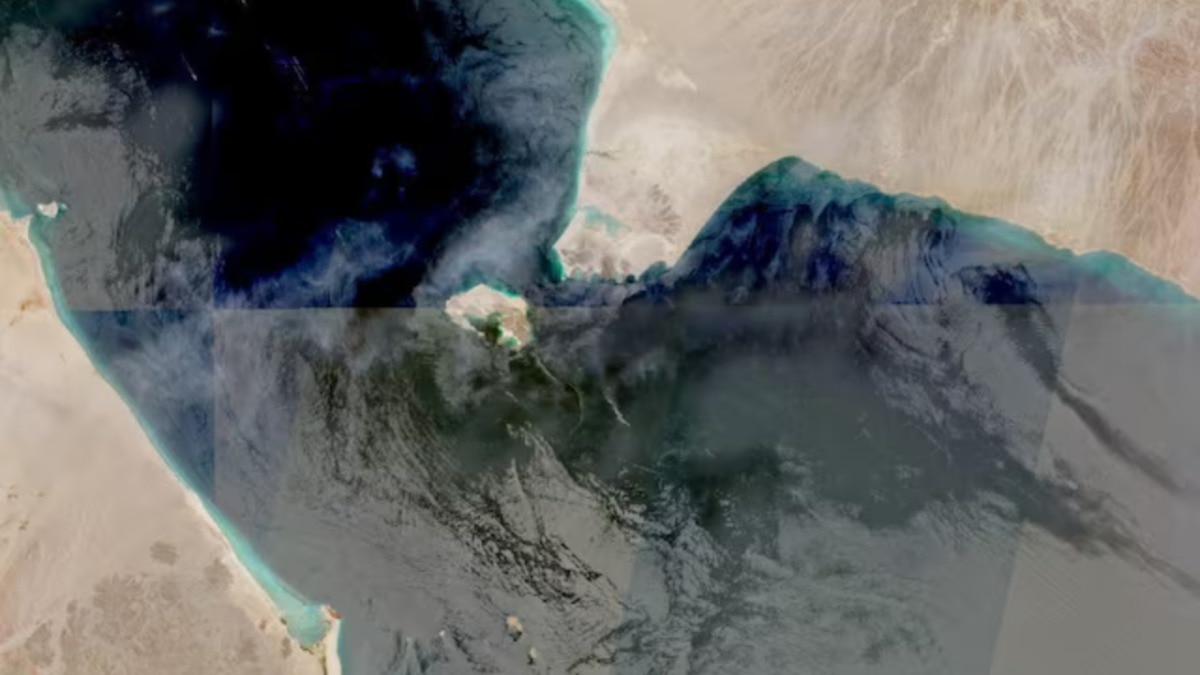
However, the tables turned as Iran seized the Strait of Hormuz, choking global energy supplies. Trump faced growing pressure as the prolonged conflict inflicted economic pain at home and his approval ratings dipped ahead of November's midterm elections. With few options left, Trump hastily cobbled together a deal without taking any input from Israel.
The result - the US and Israel failed to accomplish any of the stated objectives they outlined at the start of the war. The theocratic regime still stands, and Iran's stockpile of highly enriched uranium (a key ingredient to make nuclear weapons) is still within the country. Moreover, Trump, in a big U-turn, also said that the US would not pressure Tehran to abandon its ballistic missile program.
THE LEBANON DILEMMA
But what has left Israel seething the most is the inclusion of Lebanon, a key Iranian demand, in the deal. It effectively reins in Israel from conducting military operations in the country. In return, Iran has agreed to restrain its proxies, including Hezbollah in Lebanon.
For Netanyahu, it was a bolt out of the blue. Wary of a domestic backlash, the Israeli Prime Minister was quick to assert earlier this week that Israel wouldn't withdraw from areas it currently controls in Lebanon.
The whole saga has been a tough lesson for Netanyahu. The developments have shown that when it comes to military operations, Trump's self-interest is the thing that only matters. As India saw during its conflict with Pakistan last year. Trump loves the accolades that come with peace deals and is thirsty for a Nobel Peace Prize. Thus, he doesn't mind putting Netanyahu under the bus.
Opinion polls ahead of the elections do not paint a rosy picture for Netanyahu. A poll released earlier this month showed that his right-wing coalition is on course to lose. But for a leader who has dominated Israeli politics since 1990, beating all odds, discounting his charisma altogether will be foolish.
NETANYAHU'S STERN TEST AHEAD OF POLLS
Another bugbear of Netanyahu's tenure has been the enormous security fiasco of October 2023, when Hamas attacked Israel. Despite boasting a powerful intelligence service, Israel did not foresee the surprise operation that left around 1,200 people dead. A successful campaign against Iran would have been a kind of redemption for Netanyahu that he could have tom-tommed in his election rallies. But it was not to be.
In fact, Netanyahu is the only big leader from October 2023 who has neither resigned nor apologised. He has also faced criticism for obstructing an investigation into the government failures that led to the Hamas attack. A probe was eventually launched in November 2025, but Netanyahu himself chose the investigating team.
The Iran agreement has given Netanyahu's political rivals ample ammunition to attack the Prime Minister.
Former Prime Minister Ehud Barak said the outcome reflected Netanyahu's strategic failure. "Israel is paying the price of Netanyahu's hubris and blindness... Iran emerged stronger; Israel weaker. Netanyahu failed," Barak said.
Opposition leader Yair Lapid called the deal "one of the most shocking failures in Israel's foreign and security policy".
"Netanyahu is good for Hamas. Netanyahu is good for Iran. Netanyahu is good for Hezbollah. Netanyahu is not good for Israel," said Democrats party leader Yair Golan.
Earlier this week, Netanyahu, however, did try to present himself to Israelis as their saviour. He said the main achievement of the operation in Iran was that it saved Israelis from an "existential danger".
But the reality is there for everyone to see. The US-Iran deal failed to meet a single objective for which Israel pursued the war. Moreover, it has also strained Netanyahu's relationship with Trump. It was just months ago that Trump called Netanyahu a "hero". In recent weeks, it has veered from "f**king lunatic" to a "very complicated guy".
Thus, as of today, the picture for Netanyahu looks like this. Hamas remains in Gaza, Hezbollah is still fighting Israel in Lebanon, and the Iranian regime has emerged emboldened. Meanwhile, Netanyahu faces a genocide complaint at The Hague and also an arrest warrant as a suspect for war crimes in Gaza.
- Ends
Published By:
Abhishek De
Published On:
Jun 18, 2026 11:56 IST