3 weeks ago
Casting doubt on the prospects of any immediate resolution, Jeffrey Sachs dismissed the idea of a near-term endgame.
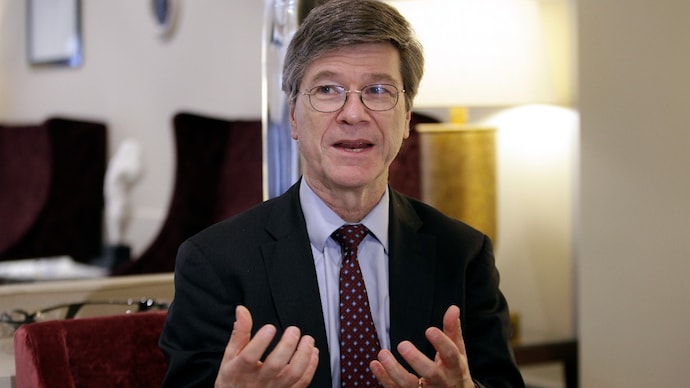
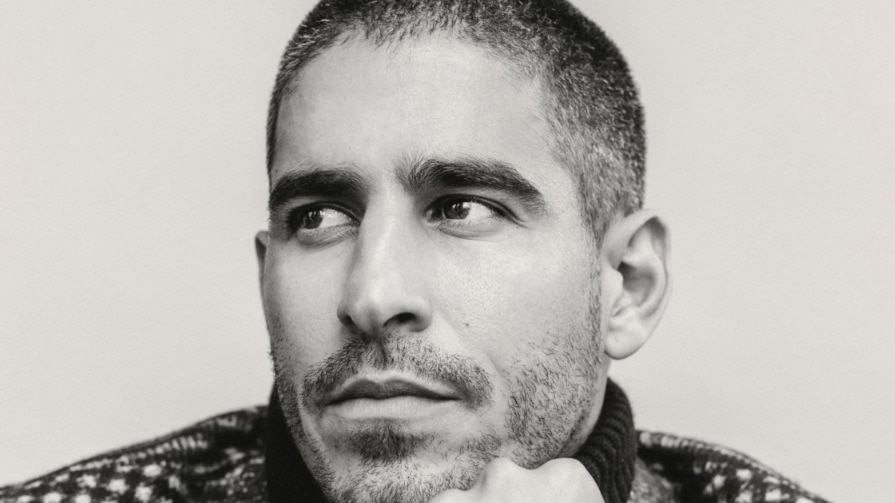
US economist and public policy analyst Jeffrey Sachs. (Photo: Reuters/File)

New Delhi,UPDATED: Mar 24, 2026 23:19 IST
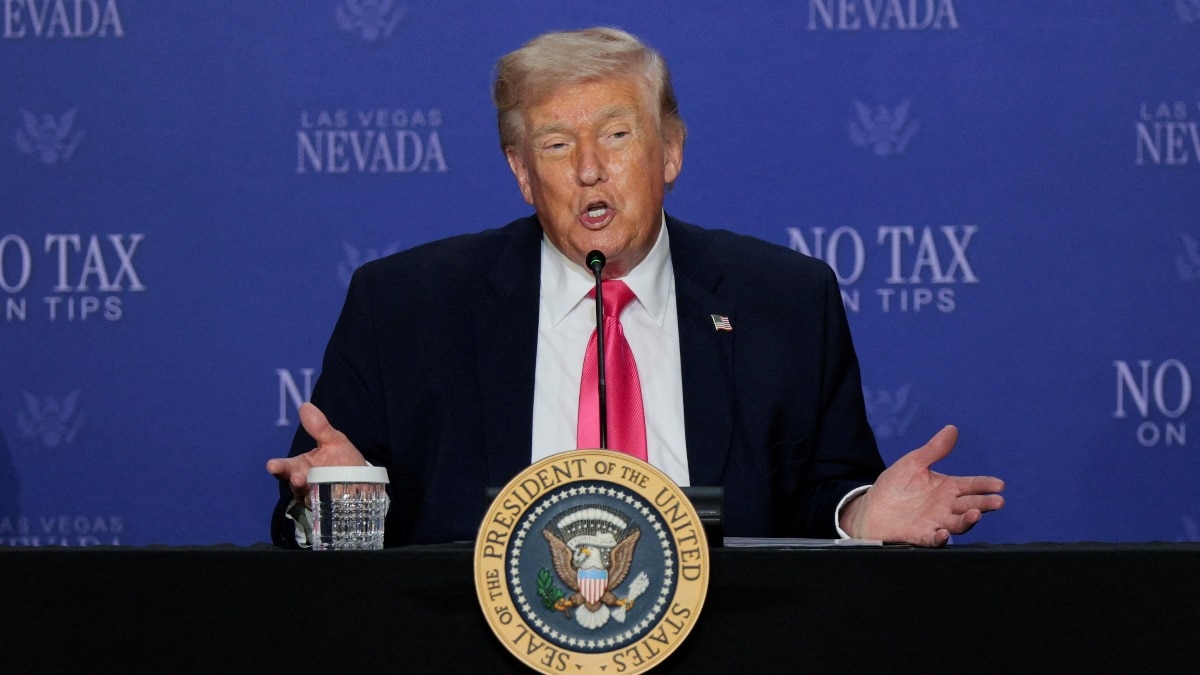
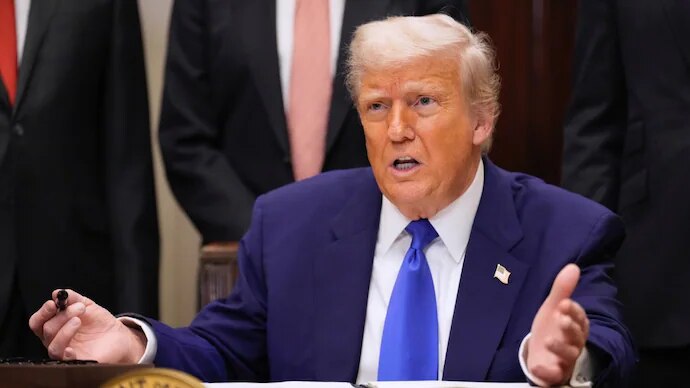
In a sharply worded assessment of the escalating Middle East conflict, noted US economist and public policy analyst Jeffrey Sachs delivered a scathing critique of the US President Donald Trump’s handling of the crisis involving Iran, warning that the world faces grave danger from what he described as erratic and destabilising leadership in Washington.
Speaking to India Today's Rajdeep Sardesai, Sachs argued that major global powers—particularly BRICS nations, including India—must intervene to prevent further escalation.
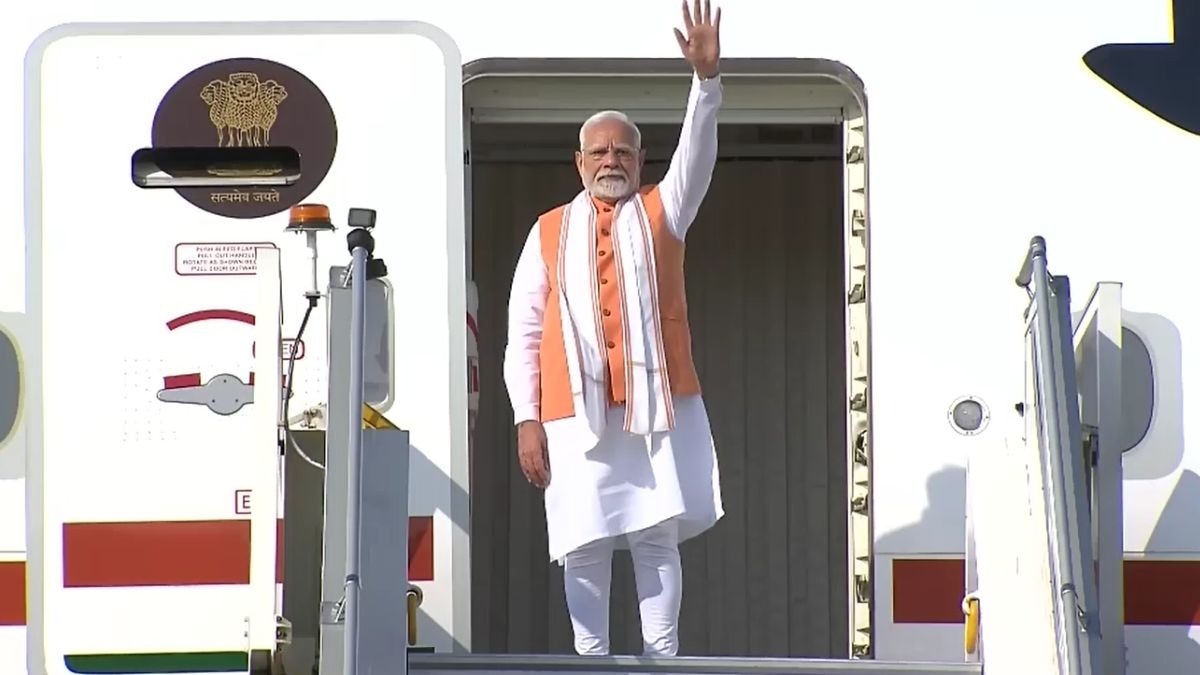
Sachs said leaders such as Narendra Modi, Vladimir Putin, Xi Jinping and Luiz Incio Lula da Silva could play a crucial stabilising role.
"We need the world's superpowers, that is India, China, Russia, and Brazil to play the role of responsibility right now, and to explain to the United States You cannot do this, Mr Trump. You cannot blow up the world on your whim". He added pointedly, "This isn't a war of choice. This is a war of whim".
This comes amid reports that countries like India, Egypt, Turkey and Saudi Arabia opened the US-Iran back channel for talks and a 5-day halt to hostilities. Trump also said that he had "productive" talks with the Iranian leadership and promised a pause to military aggression.
However, casting doubt on the prospects of any immediate resolution, Sachs dismissed the idea of a near-term endgame.
He said ongoing discussions of deadlines and negotiations were largely illusory in the current climate of mistrust.
According to him, "We're in a bizarre situation where there's no truth, no trust, and no negotiations. All we have is war".
Sachs also raised serious concerns about the decision-making process of Donald Trump, describing it as impulsive and disconnected from institutional checks.
In one of his strongest remarks, Sachs questioned the credibility of the US president’s claims about diplomatic progress.
Referring to Trump’s assertion of ongoing negotiations with Iran, Sachs said, "Then within moments, the Iranian government said, 'We have had no contact and no negotiation whatsoever. This is fake news'". He added, "You have a President of the United States, who either brazenly lies or alternatively, lives in a psychiatric delusion".
The economist also criticised what he described as the erosion of institutional checks and balances in the US.
"The US system is in an extra-constitutional order. Our constitution is not functioning. Our institutions are not working. Congress is irrelevant to everything," he said, while noting that the Supreme Court had intervened in at least one instance to block what he termed an "illegal grab of power".
On the broader geopolitical dynamics, Sachs rejected the framing that the conflict is solely driven by Iran’s actions.
Instead, he described a layered partnership between the US and Israel, involving long-standing strategic alignment and intelligence cooperation.
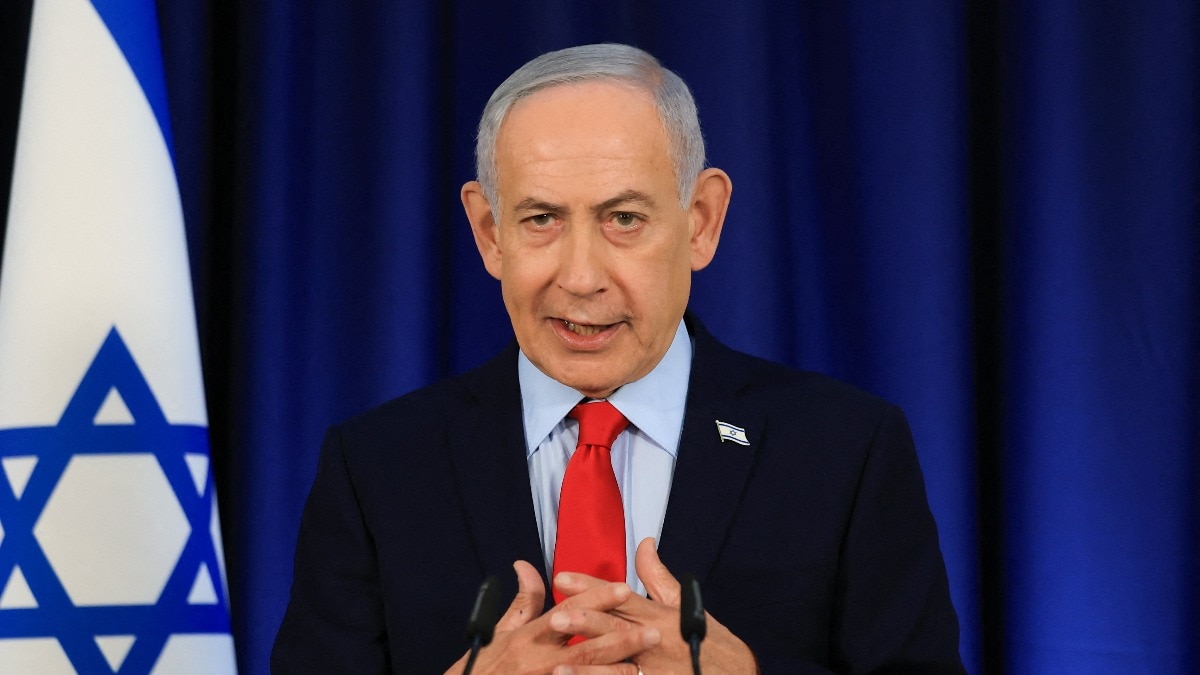
He was particularly critical of Israeli Prime Minister Benjamin Netanyahu, stating that current developments reflect both institutional and personal factors at play.
According to Sachs, assumptions that military escalation would quickly lead to regime change in Iran were "delusional".
At the same time, he dismissed characterisations of Iran as the sole aggressor, calling such narratives "wildly incorrect and false," and emphasised that Tehran had previously engaged in negotiations, including agreements endorsed by the UN.
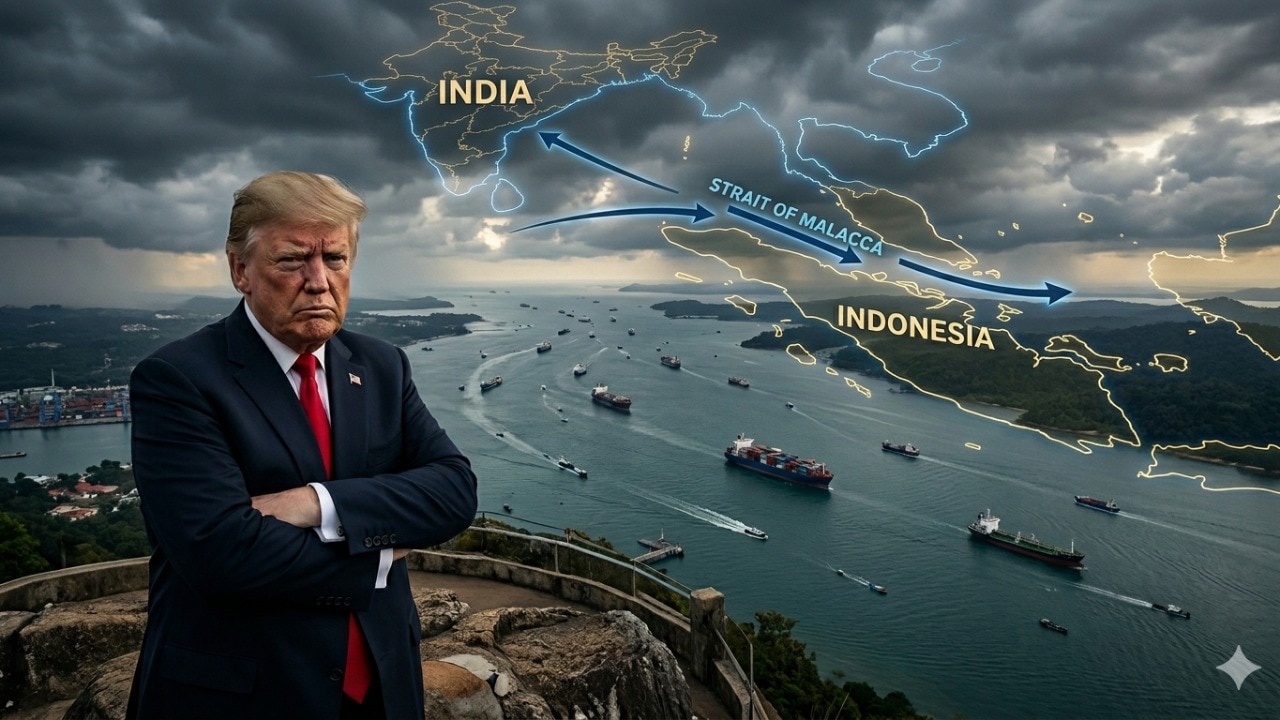
Sachs concluded with a stark warning about the global consequences of the conflict, particularly for countries like India that depend on energy supplies from the region.
"This is a war of aggression completely dangerous, unprincipled, of grave threat to India," he said, noting that energy infrastructure and supply chains are already under strain.
As hostilities continue with no clear diplomatic breakthrough in sight, Sachs’s remarks underscore growing concerns among global observers about the risks of prolonged conflict, weakened international institutions, and the urgent need for credible mediation by major world powers.
- Ends
Published On:
Mar 24, 2026 23:19 IST