1 month ago
Beijing's message throughout the report is clear: China believes time is now working in its favour. The document frames US-China tensions through the lens of Mao Zedong's theory of protracted war, a stage where the weaker side slowly gains strength against a stronger rival.
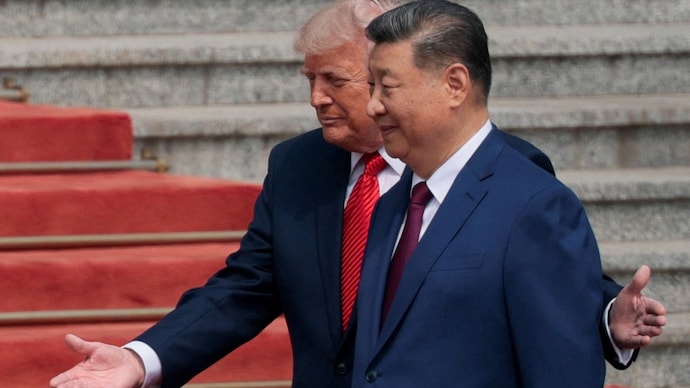
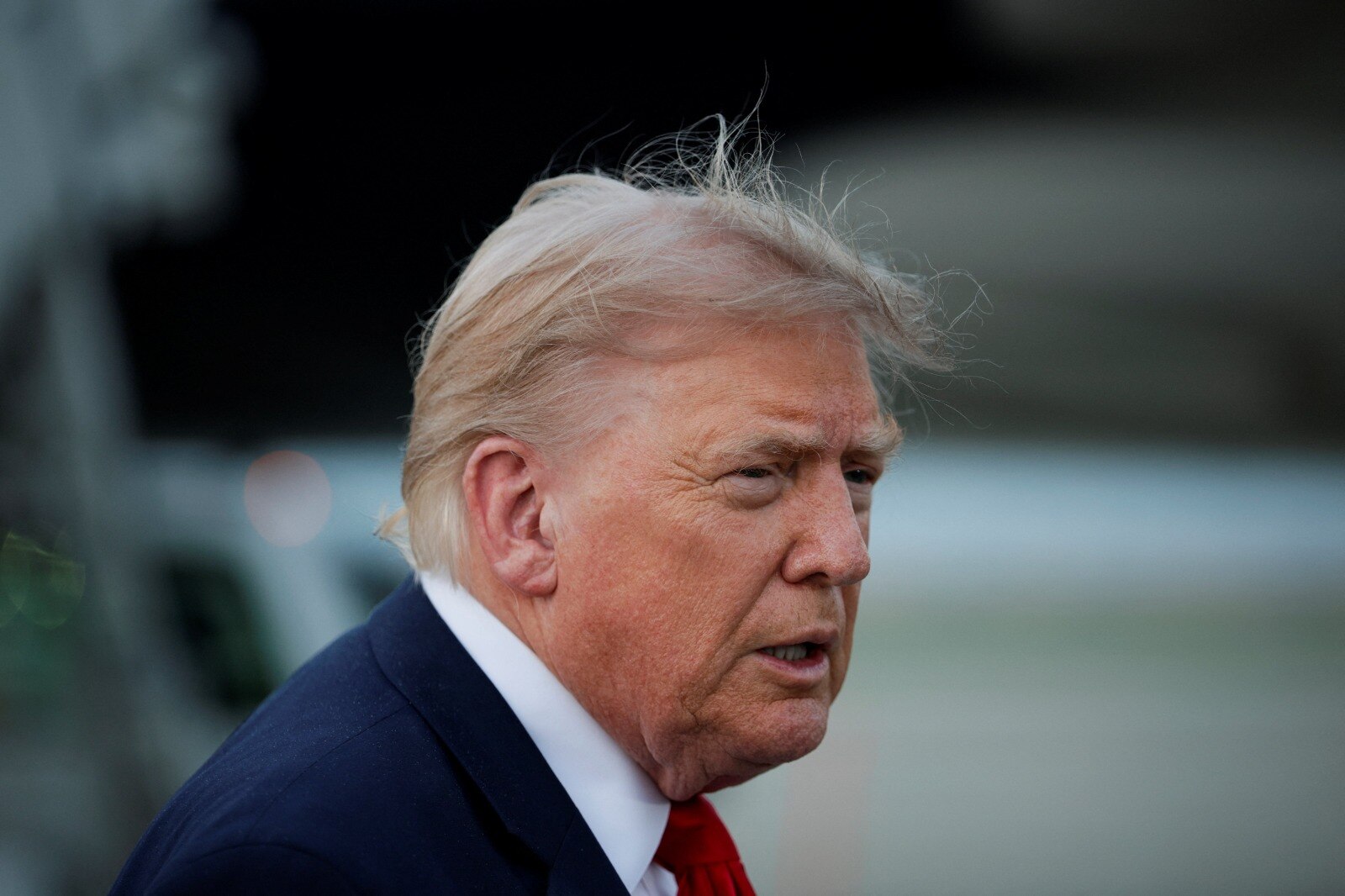
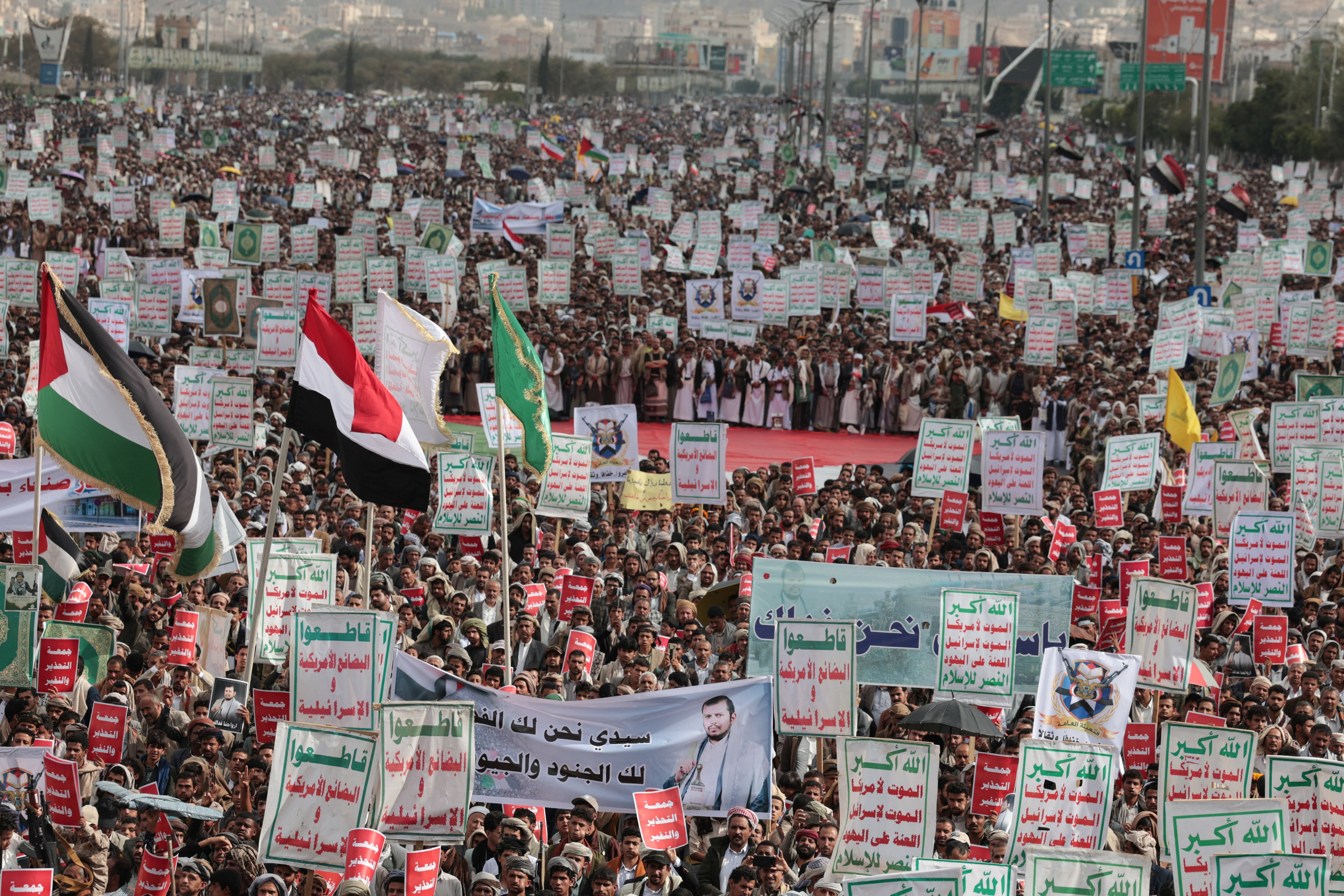
China believes time is now working in its favour. (Photo: Reuters)
The United States is no longer viewed in Beijing as an unstoppable force capable of derailing China's rise. Instead, China sees itself as the future axis of global power while treating Washington as a manageable condition, according to an intel report analysed by entrepreneur and geopolitical commentator Arnaud Bertrand.
The report, titled The Great Global Transformation and the Path to US-China Coexistence, was produced by the China Institutes of Contemporary Relations (CICIR), a research institute linked to China's Ministry of State Security. Bertrand described it as perhaps the clearest and most authoritative explanation yet of how China views its relationship with the US and where it believes the relationship is headed.
BEIJING SEES ITSELF AS GLOBAL POWER
Beijing's message throughout the report is clear: China believes time is now working in its favour. The document frames US-China tensions through the lens of Mao Zedong's theory of protracted war, a stage where the weaker side slowly gains strength against a stronger rival.
Bertrand, in his Substack post, noted that in Mao's framework, a weaker power first absorbs pressure from a stronger rival before gradually overtaking it. The report argues that China has already endured Washington's toughest measures, including trade wars, technology restrictions, sanctions and tariffs, while preserving its economic trajectory and political system.
"The storm has been weathered, the US's best punch has already landed," Bertrand wrote while explaining the report's key message.
The document also points to signs that even the US now recognises China as a near-peer competitor. It references US strategic documents and statements from American officials acknowledging that the era of uncontested US dominance is fading.
Bertrand said the report reflects a growing belief in Beijing that the future global order could slowly begin revolving around China -- not through war or military expansion, but through its economic strength, manufacturing power and growing technological influence.
"Perhaps China's version of winning doesn't look like confrontation at all," Bertrand wrote. "It looks like a world that has quietly reorganized itself around Chinese centrality."
US NO LONGER VIEWED AS EXISTENTIAL THREAT
According to Bertrand, one of the most striking aspects of the report is the absence of the fear or urgency that traditionally characterised Chinese strategic writings about the United States.
"Anyone used to reading such reports on the US by Chinese institutions will tell you they're typically permeated with a heavy dose of threat perception," he wrote. "That's what's striking in this document: this is gone."
Instead, the report proposes shifting US-China ties from emergency firefighting to normalised risk management, signalling that Beijing no longer sees Washington as capable of fundamentally stopping China's rise.
"The US is no longer an active threat -- it's a manageable condition," Bertrand wrote. He said the report shows Beijing believes the US can still hurt China economically but can no longer use that pressure to slow or stop China's rise.
The report nevertheless warns of high winds and rough seas in the bilateral relationship, especially over Taiwan, though Bertrand said China now appears more worried about accidental escalation than a coherent American containment strategy.
CHINA PUSHES COEXISTENCE WITH GUARDRAILS
Despite its confident tone, the report also advocated for mutual respect, peaceful coexistence and win-win cooperation between the two powers.
It outlines proposals for restoring dialogue mechanisms, increasing economic coordination, expanding people-to-people exchanges and building safeguards to prevent crises from spiralling into direct confrontation.
Bertrand jokingly described the recommendations as resembling a relationship recovery programme or a handout from a marriage therapist.
Among the suggestions are creating "safety valves" for disputes, reopening communication channels and cooperating in areas such as climate change, artificial intelligence governance and anti-narcotics operations.
Taiwan, however, remains the sharpest issue in the report. Beijing insists reunification is inevitable and warns Washington against encouraging Taiwanese separatism.
PARTNERSHIP — BUT ON BEIJING'S TERMS?
Bertrand argued the report ultimately presents "a sincere offer of partnership from a country that believes it is becoming the senior partner".
The document repeatedly stresses coexistence and stability, but it also frames the current period as part of a long historical transition in which China expects its influence to continue expanding while American dominance recedes. Rather than seeking direct confrontation, Bertrand suggested Beijing increasingly believes time, economic gravity and geopolitical momentum are already working in its favour.
"The counteroffensive might simply be what happens when you let gravity do the work," he wrote.
- Ends
Published By:
Satyam Singh
Published On:
May 22, 2026 00:15 IST