 3 weeks ago
Egypt has reportedly emerged as a key player in back-channel diplomacy after quietly establishing contact with Iran’s powerful Islamic Revolutionary Guard Corps (IRGC) and proposing a five-day pause in the ongoing hostilities in the Gulf. According to a report by the Wall Street Journal, Egypt's intelligence officials were able to reach out to the IRGC to build momentum for a ceasefire, a move that appears to have prompted US President Donald Trump to reverse his threat to strike Iran’s power infrastructure and give diplomacy a chance.
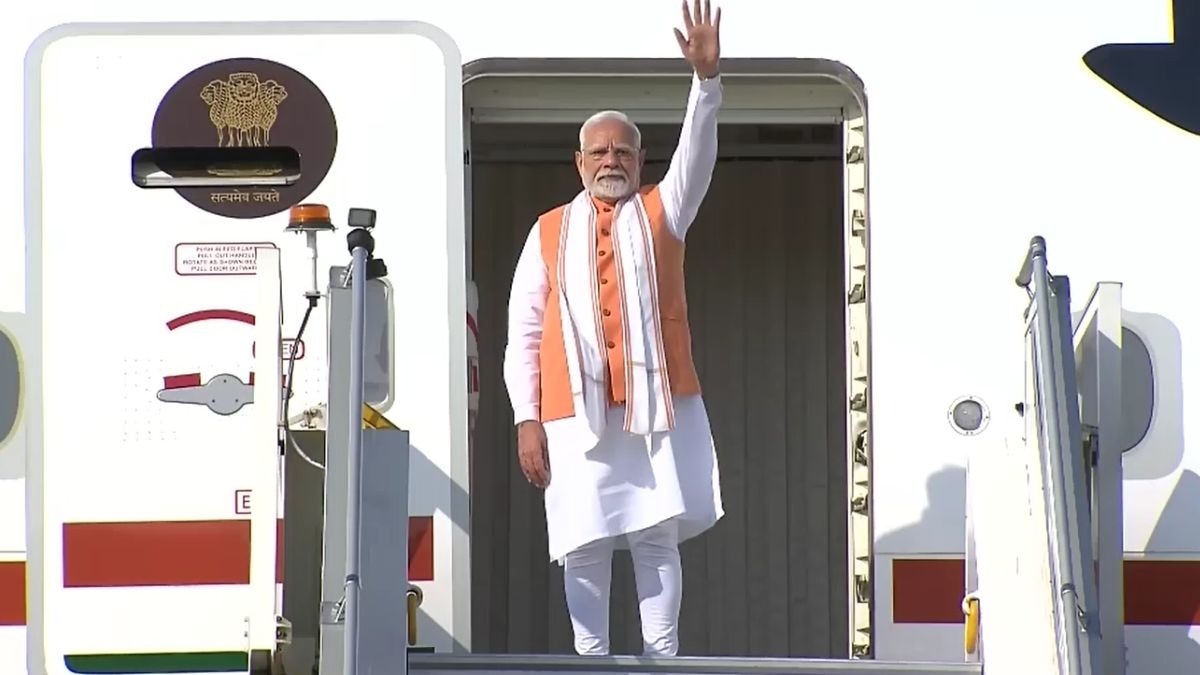
With the war in the Middle East entering Week 4, a broad coalition of countries are now engaging in quiet diplomacy to bridge gaps between the US and Iran. Among the countries is India, which has played a limited but notable role in helping keep dialogue channels between the US and Iran open, accordingto a report by Bloomberg. The publication also reported that countries like Oman and Turkey are playing a mainstream role in mediating the US-Irael-Iran conflict.
The scale of coordination, emerging in the fourth week of the conflict, signals a more concerted push toward a negotiated de-escalation in the coming days.
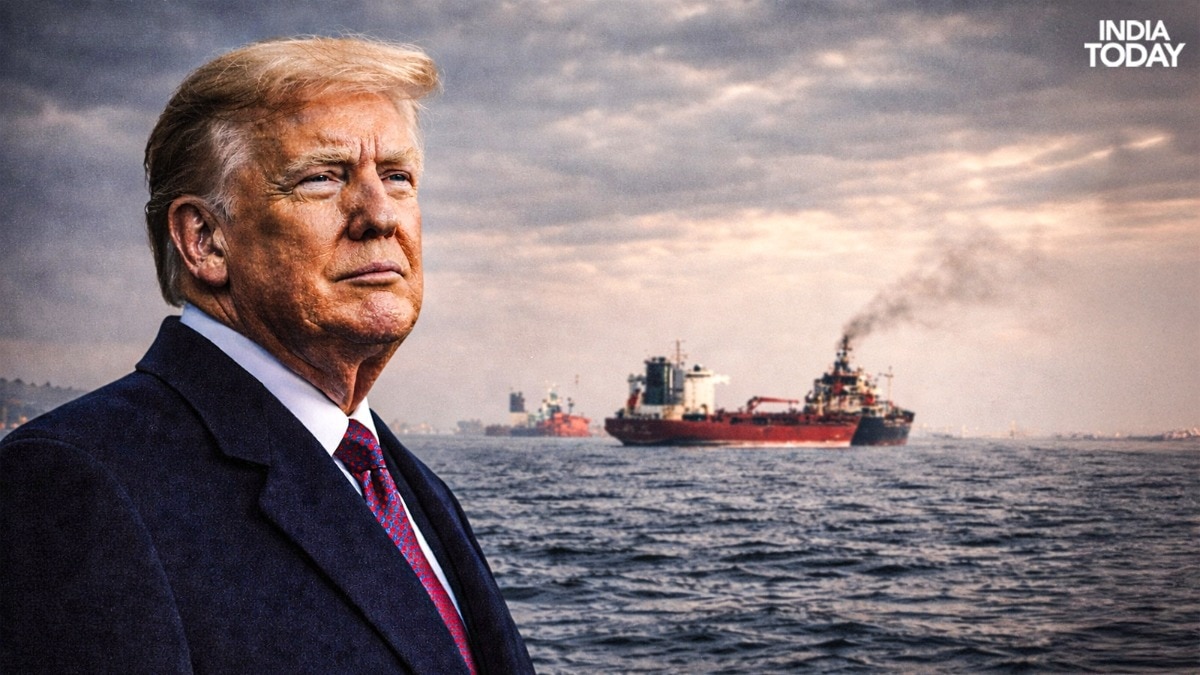
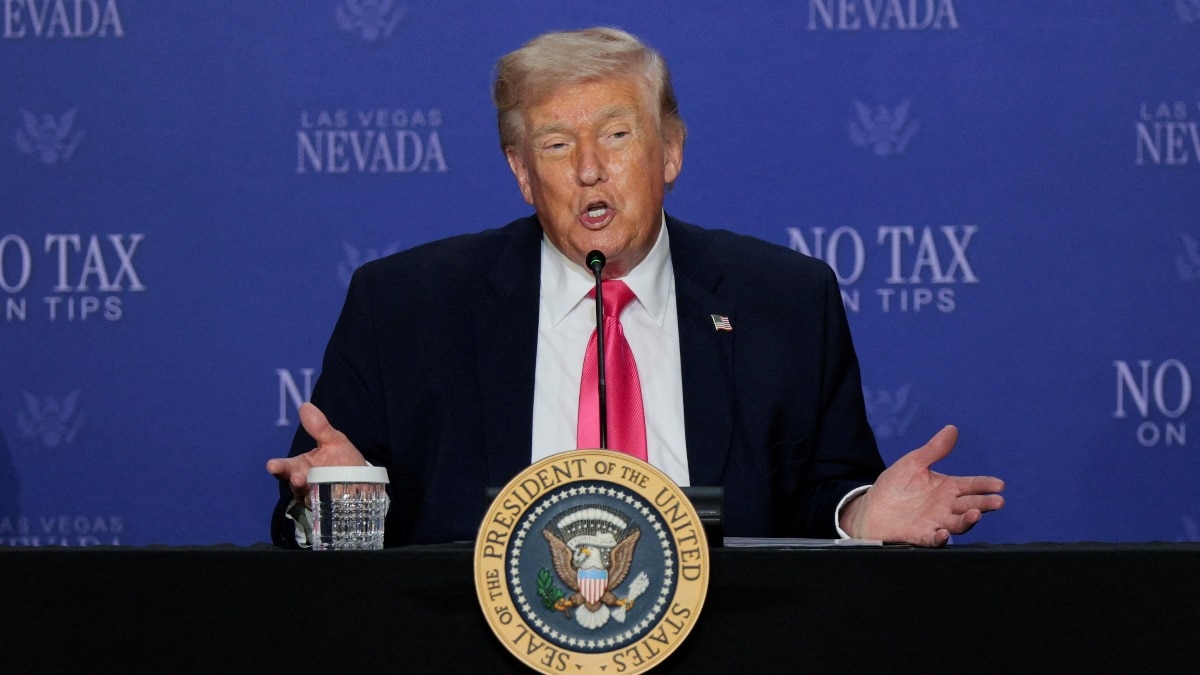
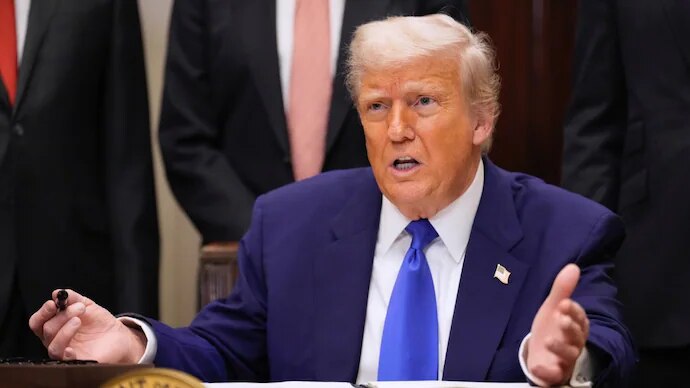
The massive diplomatic reach-out coincided with a sharp shift in stance by Trump. Over the weekend, Trump had warned that the US would “obliterate” Iran’s power infrastructure if it failed to reopen the Strait of Hormuz within 48 hours. But as inputs from regional back channels reached Washington, he reversed course, announcing a five-day pause on strikes and signalling openness to talks.
The dramatic development followed an intense behind-the-scenes engagement. Before dawn on Thursday, foreign ministers from Egypt, Turkey, Saudi Arabia and Pakistan met in Riyadh to explore a diplomatic off-ramp. Talks were complicated by the absence of a clear Iranian interlocutor after Iran's security chief Ali Larijani was killed in an Israeli strike last week, The Wall Street Journal reported.
Egyptian intelligence officials eventually established contact with the IRGC, proposing a five-day halt in hostilities to build momentum toward a ceasefire. These initial contacts laid the groundwork for developments thousands of miles away in Florida.
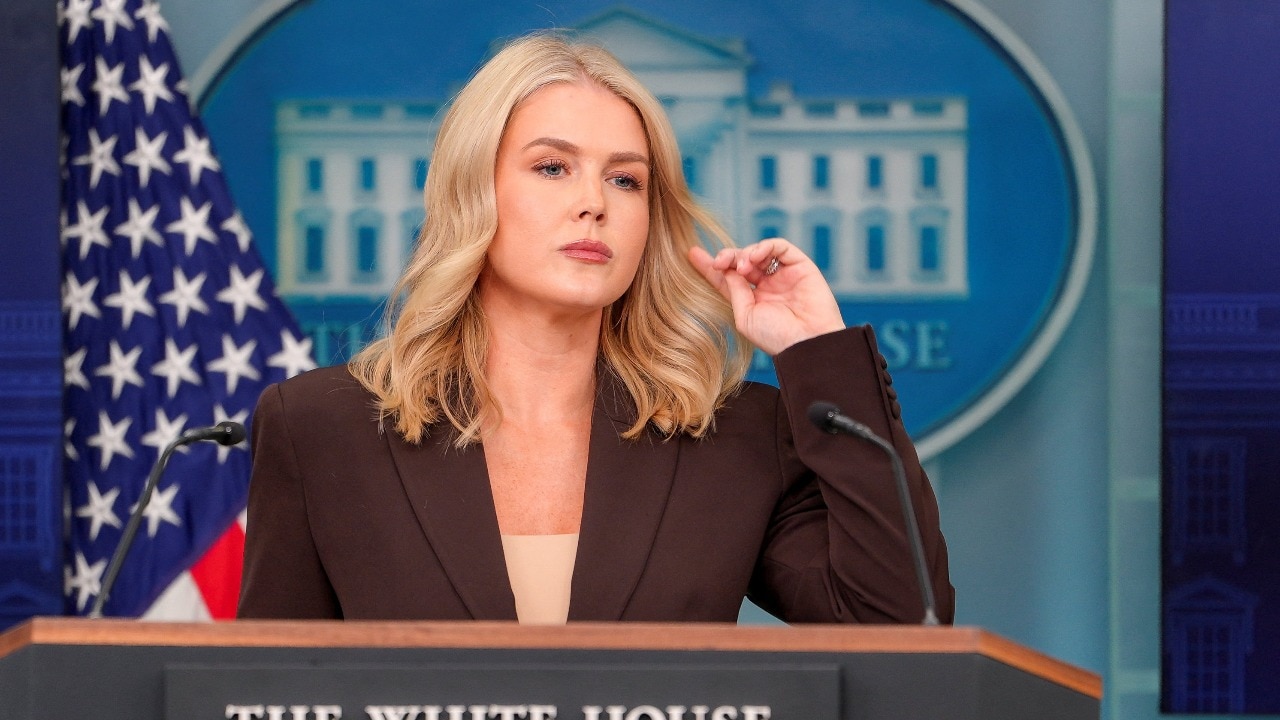
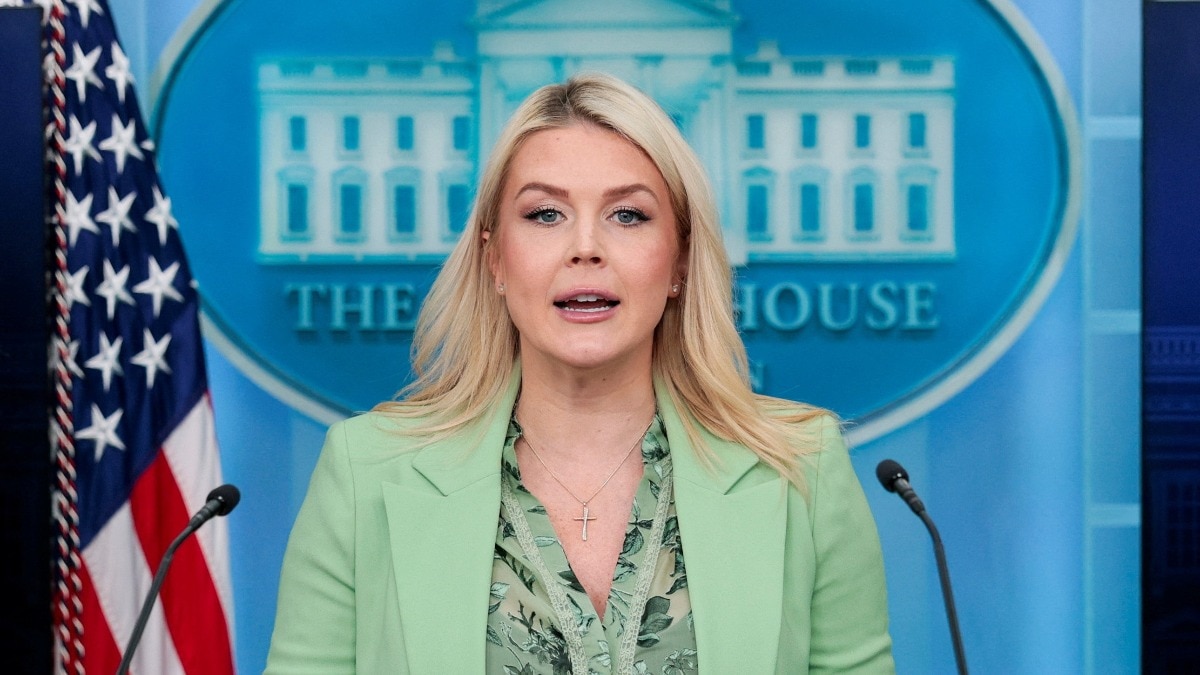
US officials said Trump's decision to pause strikes reflected both optimism about a possible diplomatic breakthrough and mounting domestic pressure amid economic and political fallout from the conflict. “These are sensitive diplomatic discussions, and the US will not negotiate through the press,” said White House Press Secretary Karoline Leavitt, describing the situation as “fluid.”
The announcement signalled a possible de-escalation in tensions, triggering a rally in equities, with indices like the Dow Jones Industrial Average and S&P 500 posting strong gains. At the same time, oil prices dropped sharply, with Brent crude dropping over 10-13 per cent to go below the USD-100 per barrel mark for the first time in weeks.
US, IRAN FAR APART
Despite the diplomatic momentum, gaps remain wide. Iran is seeking guarantees against future attacks and compensation for war damage, while the US continues to push for curbs on Tehran’s nuclear programme, ballistic missiles and regional proxies.
Despite Trump claiming that he held "productive talks" with Tehran, Iranian leaders have publicly downplayed the negotiations. Iran's parliament speaker Mohammad-Bagher Ghalibaf said there had been no negotiations, accusing Washington of using such claims to influence markets.
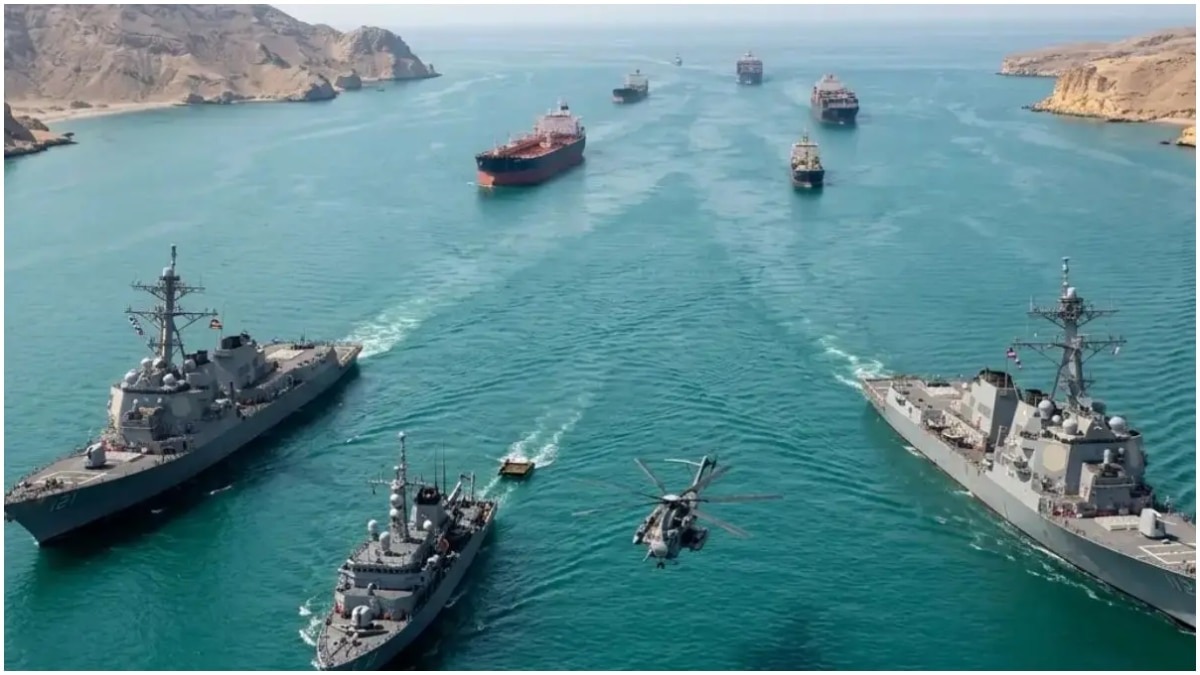
Even if a ceasefire is reached, analysts say Iran’s regime remains intact despite military setbacks, continues to control the Strait of Hormuz and retains access to nuclear materials buried under debris. The US, meanwhile, continues to bolster its presence, deploying two Marine Expeditionary Units, each carrying roughly 2,200-2,500 Marines aboard three warships.
Efforts are now underway to arrange a direct meeting between US and Iranian officials, possibly in Turkey or Pakistan. American envoys Steve Witkoff and Jared Kushner could participate, with Vice President JD Vance also a possibility. Iran may be represented by Foreign Minister Abbas Araghchi, according to The Wall Street Journal.
HORMUZ AT CENTRE OF PROPOSED TALKS
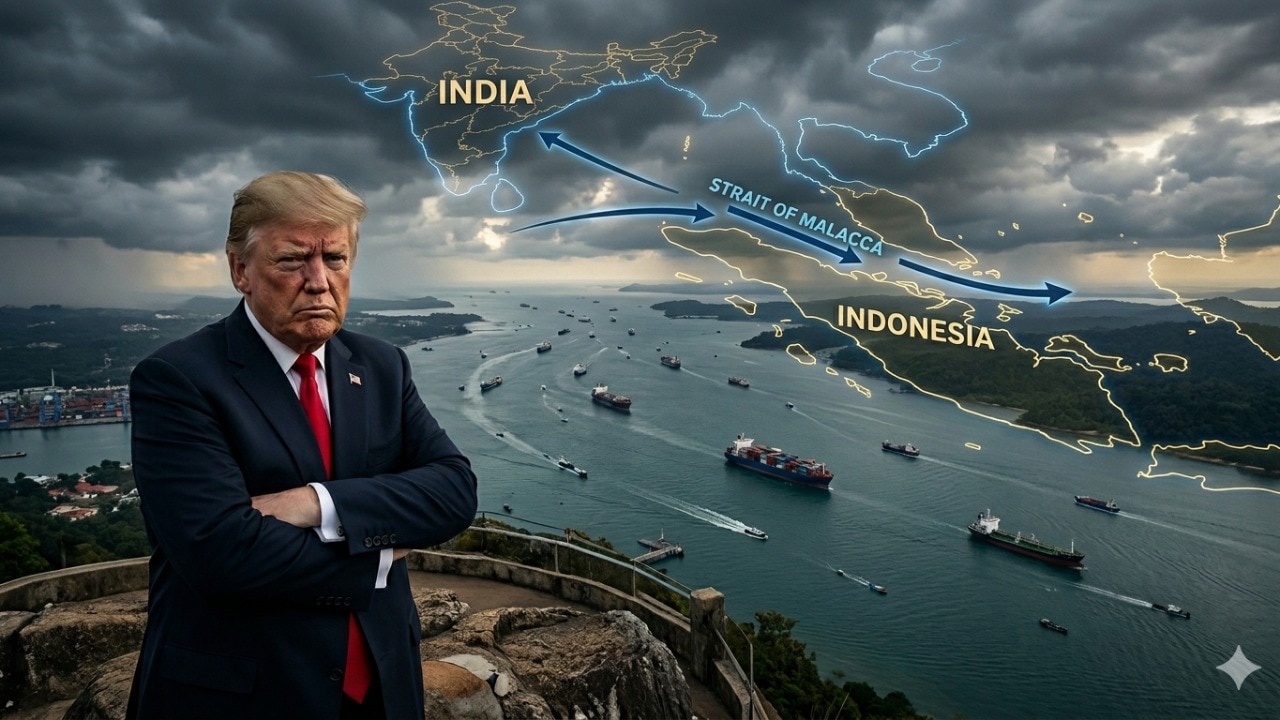
At the heart of the proposed negotiations lies the Strait of Hormuz, a vital oil chokepoint handling about 20 per cent of global supply. Proposals to place it under neutral oversight have faced resistance, particularly after Iran suggested levying transit fees, an idea rejected by Gulf states wary of expanding Tehran’s influence.
Multiple players, including Qatar, Oman, France and the United Kingdom, continue parallel diplomatic efforts, underscoring the complexity of the crisis, The Wall Street Journal reported.
Amid this, high-level contacts have intensified. US Vice President JD Vance spoke with Israeli Prime Minister Benjamin Netanyahu, while Trump held talks with Pakistan Army Chief Asim Munir. Trump also said Washington was in touch with a senior Iranian official “respected in Tehran,” though he declined to name the individual to avoid endangering his safety.
Nicole Grajewski of the Carnegie Endowment for Peace noted that Ghalibaf is among the few leaders capable of bridging Iran’s political and security establishment.
A former IRGC commander, Ghalibaf has also projected a more pragmatic image at times, including during his tenure as Tehran’s mayor. “Ghalibaf has a lot of legitimacy in the eyes of the security establishment,” Grajewski told The Wall Street Journal.
With deep mistrust persisting and a more hardline leadership emerging under Mojtaba Khamenei, the path to de-escalation remains uncertain despite the diplomatic opening.
- Ends
Published By:
Prateek Chakraborty
Published On:
Mar 24, 2026 10:36 IST