1 month ago
Last Updated:March 17, 2026, 14:38 IST
Bartoszewski warned that Iran’s support for Russia in the Ukraine war adds fresh concerns amid the West Asia crisis.


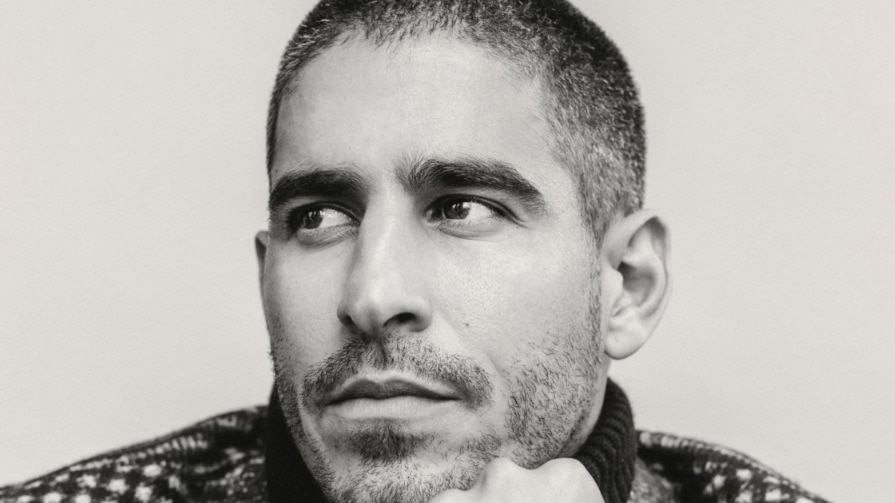
Polish Deputy Foreign Minister Władysław Teofil Bartoszewski. (Image: gov.pl)
As the war involving Iran enters a volatile phase, concerns are mounting across Europe about how far the conflict could spiral. The escalation has rattled energy markets, pushed the Strait of Hormuz into the global spotlight, and prompted urgent consultations among European leaders on preventing a wider regional war in West Asia. While the European Union (EU) is weighing sanctions, diplomatic options, and maritime security measures, member states have made one point clear: Europe does not want to be drawn directly into the conflict. Among them is Poland, which has ruled out any military involvement even as tensions rise.
To understand how Europe is navigating the crisis, CNN-News18 spoke with Polish Deputy Foreign Minister Władysław Teofil Bartoszewski. As the European Union moves ahead with fresh sanctions on Iran, Bartoszewski said the bloc remains broadly united in its response, condemning what he called Tehran’s “unprovoked attacks" on neighbouring states. He also warned that the growing militarisation of the Strait of Hormuz could destabilise global energy markets, while acknowledging that Iran’s political future remains uncertain and the question of regime change continues to divide opinion in Western capitals.
Beyond the Middle East crisis, Bartoszewski also weighed in on relations with India. When asked about the brief diplomatic discomfort after India raised concerns over Poland’s outreach to Pakistan, particularly on terrorism, during the recent visit of Polish Foreign Minister Radosław Sikorski to New Delhi, he sought to underline that Warsaw and New Delhi ultimately “speak with one voice" when it comes to combating terror networks.
Here are the edited excerpts of the interview:
Q: Europe appears divided and somewhat sidelined in the Iran conflict. What exactly is the EU’s strategy to contain the war right now?
Władysław Teofil Bartoszewski: I would not say the European Union is divided or sidelined. On the contrary, there has been a clear and unified stance condemning the unprovoked attacks on neighbouring states, including partners in the Gulf, while urging all sides to halt military activity and return to dialogue. Even before the escalation, the EU had consistently called for restraint, and that remains our position today. Iran’s indiscriminate strikes on neighbouring states are deeply concerning and risk widening an already fragile situation. Both the EU and the Gulf Cooperation Council had been working to prevent such an escalation.
The immediate priority for Poland and our European partners is the safety of our citizens across the Middle East. Governments are closely monitoring the situation and coordinating responses.
It is also worth recalling that Cyprus, an EU member since 2004, was among the countries affected by Iran’s attacks, which underscores that Europe is not marginal to what is unfolding. Several EU states have deployed naval and military assets to protect allies and safeguard key maritime routes.
Coordination with partners, including the Gulf states and Jordan, is taking place at the highest level. European leaders will also discuss the crisis at the upcoming European Council meeting in Brussels on March 19.
Beyond diplomacy, the EU is strengthening practical measures, including support for Operation ASPIDES, humanitarian aid to Lebanon, and efforts to safeguard energy flows through the Strait of Hormuz. The situation remains unpredictable, but our focus is on de-escalation, stability, and protecting lives.
Q: The United States and Israel launched strikes inside Iran. In hindsight, does Europe believe those attacks helped stabilise the region or dangerously escalated the conflict? And realistically, is regime change in Tehran even possible, or is that just wishful thinking in the West?
Władysław Teofil Bartoszewski: The current crisis did not emerge overnight. It is the culmination of years of escalating tensions that many observers feared could eventually lead to a confrontation of this scale.
For a long time, there have been serious concerns about the policies of the Iranian leadership. These include the regime’s treatment of its own citizens, the opacity surrounding its nuclear ambitions, its ballistic missile programme, and its long-standing role in destabilising parts of the Middle East. These concerns are widely shared not only in Europe but also among key partners across the region.
At the same time, regime change in Iran has never been the objective of European policy. Our priority has always been stability and preventing further escalation. What Europe expects is for the Iranian authorities to address the international community’s legitimate concerns regarding its nuclear programme, missile capabilities, and regional activities.
What we see today is that Iran still retains significant command and control capabilities and the ability to retaliate across the region. Its political leadership also appears, at least for now, cohesive and resilient.
That is why the future trajectory of Iran remains uncertain and deeply concerning for the wider region.
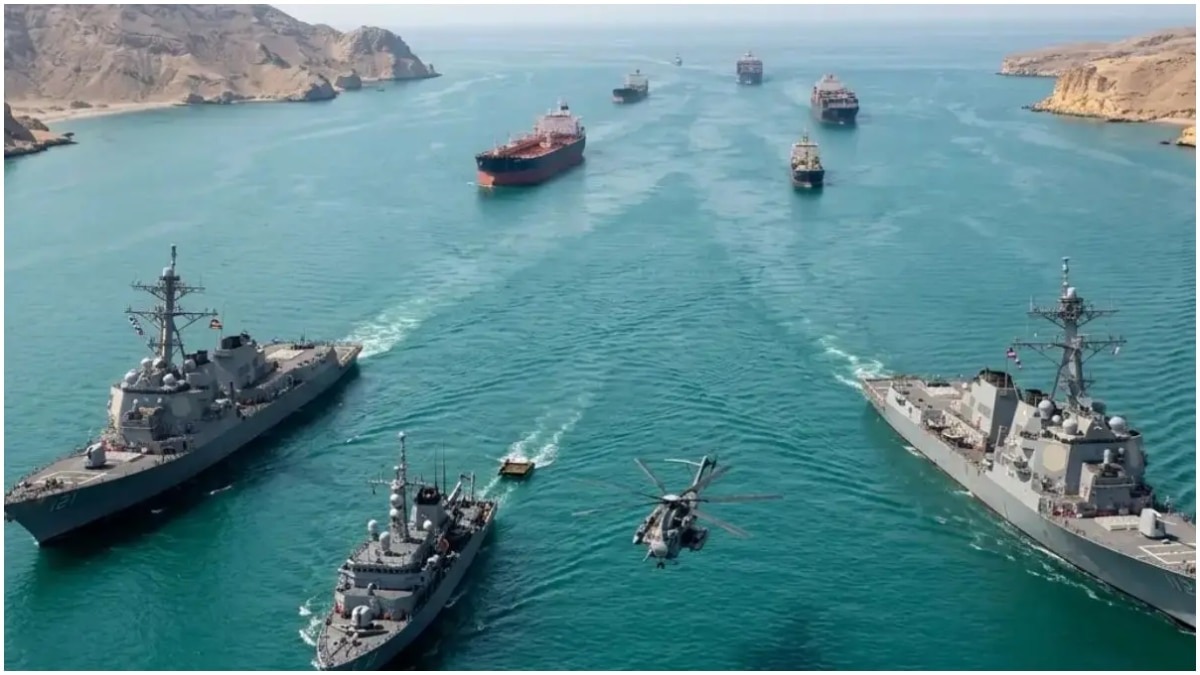
Q: Iran has effectively militarised the Strait of Hormuz, threatening a route that carries roughly 20 per cnt of global oil shipments. Does Europe have a realistic plan to reopen the strait safely?
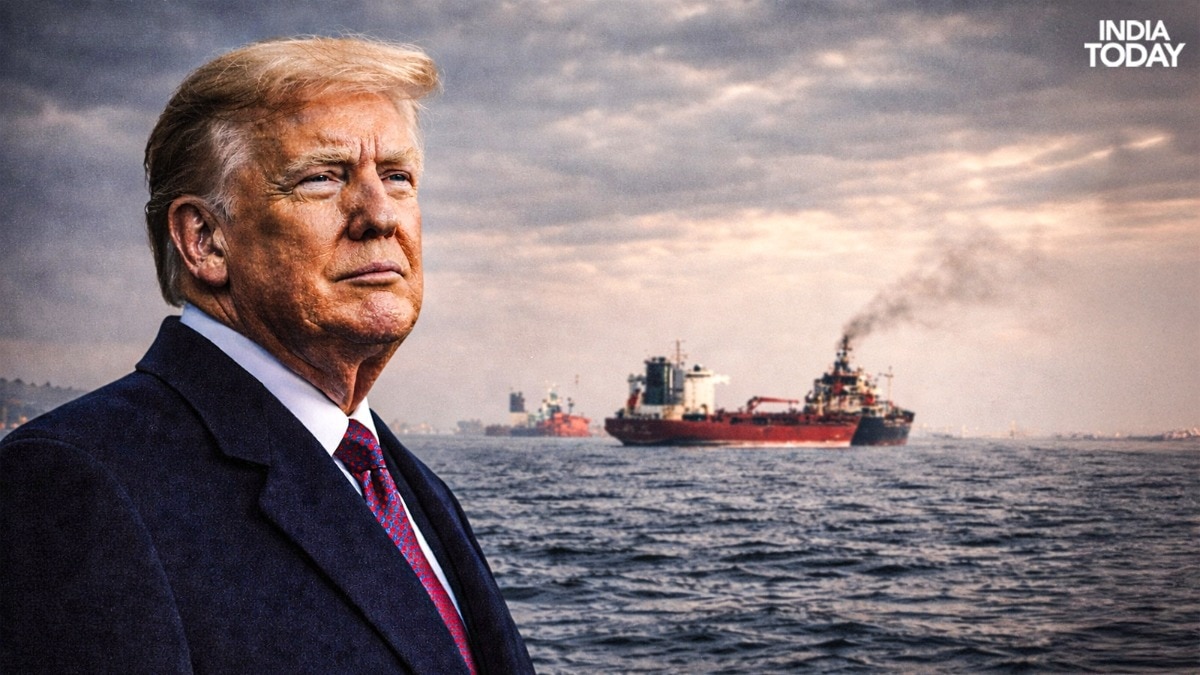
Władysław Teofil Bartoszewski: My understanding is that the Strait of Hormuz has not been completely shut, but effectively militarised. The bigger problem right now is the understandable hesitation of insurers and shipping companies to risk operating in such an environment.
Together with our partners, we are looking at ways to address those concerns and restore confidence in the route. There are several possible options, though some will take time to implement.
EU naval missions in the region, including Operation ASPIDES and Operation ATALANTA, have already proven their effectiveness. It is entirely possible that the Strait of Hormuz becomes an area of more active European naval engagement going forward.
Q: Oil prices have surged, and global supply chains are under pressure. How worried is Europe about a full-blown global energy shock?
Władysław Teofil Bartoszewski: The situation in the Middle East is clearly worrying, and some nervousness is already visible in global markets. That said, reactions so far remain relatively contained.
A major disruption to oil or gas flows could trigger a price shock even greater than the one seen after Russia’s full-scale invasion of Ukraine. That remains a worst case scenario, and we are not there yet. Still, governments must prepare contingency plans should the situation deteriorate.
At the same time, the European Union is less exposed than many assume. Only around four per cent of the oil moving through the Strait of Hormuz ends up in Europe. Our energy supplies are far more diversified today, and alternative LNG cargoes from the United States or Africa could help offset disruptions.
That said, reduced flows would almost certainly mean higher prices and short-term volatility. What gives Europe some confidence, however, is that we learned hard lessons during the energy crisis of 2022.
Q: The EU has announced new sanctions targeting Iranian officials. Do sanctions at this stage actually change Tehran’s behaviour, or are they largely symbolic?
Władysław Teofil Bartoszewski: The latest European Union sanctions target senior commanders of the Islamic Revolutionary Guard Corps (IRGC), judges issuing death sentences to protesters, and several related entities. These measures are part of a broader effort to increase pressure on the Iranian authorities while upholding our commitment to human rights, peace, and international security.
Sanctions are not merely symbolic. They involve very concrete steps such as asset freezes and travel bans, which directly affect those responsible for repression or destabilising actions.
At present, several hundred individuals and entities are sanctioned under different EU regimes, including those linked to human rights violations, terrorism, and Iran’s support for Russia’s invasion of Ukraine. Remember that the EU also reinstated sanctions in 2025 over concerns about Iran’s nuclear proliferation activities.
So, changing the behaviour of any regime is never easy, but sustained and coordinated pressure remains an important tool of international diplomacy.
Q: So, when you look at the trajectory of this conflict, realistically, what conditions would have to emerge for this war to actually end?
Władysław Teofil Bartoszewski: Conflicts of this intensity cannot continue indefinitely. As missile stockpiles are gradually depleted, the current phase will eventually reach its limits, creating space for diplomacy to return.
The real obstacle, however, is trust. That remains extremely fragile among all parties involved, including Iran, Israel, the United States, and the Gulf Cooperation Council countries. In such circumstances, there may be room for the European Union to help facilitate political arrangements that could lower tensions.
Ultimately, however, the conditions for ending this crisis will depend on the strategic decisions taken in Washington, Jerusalem, and Tehran. Their objectives are not identical. Nevertheless, I sincerely hope that they will soon reach an agreement and that the suffering of civilians in all countries affected by this conflict will come to an end.
Q: India has tried to maintain a careful balance between Israel and Iran while calling for de-escalation. From Europe’s perspective, is that strategic neutrality helpful for diplomacy, or does this crisis require clearer alignment from major powers like India?
Władysław Teofil Bartoszewski: We understand India’s position as a country with important relations across the region and significant strategic interests at stake. In many ways, there is a degree of convergence between India’s approach and Europe’s view of the ongoing crisis in the Middle East.
Both sides are calling for de-escalation, restraint and dialogue. We are deeply concerned about the situation of civilians caught in the conflict, including European and Indian nationals, as well as the risk of the war spreading to other Persian Gulf states. There are also serious worries about the impact on energy security, trade flows, and broader economic stability.
We believe these shared concerns provide a strong foundation for closer coordination between Europe and India in addressing the crisis. This will be one of the key issues that Deputy Prime Minister Radosław Sikorski, along with other EU foreign ministers, will discuss with India’s External Affairs Minister S Jaishankar at the EU Foreign Affairs Council meeting on March 16.
Q: Speaking of India-Poland ties, there was some diplomatic discomfort after India raised concerns over Poland’s recent engagement with Pakistan, especially on terrorism. How does Warsaw view New Delhi’s call for zero tolerance against terror networks in the region?
Władysław Teofil Bartoszewski: Poland supports a zero-tolerance policy towards terror networks anywhere in the world, whether in Europe or Asia. This is not theoretical for us. Poland itself has been targeted by cross-border attacks inspired and coordinated by Russia, including attempts against critical infrastructure, railways, and businesses.
Poland also faces one of the highest levels of cyberattacks among European Union member states. This concern was raised by Foreign Minister Radosław Sikorski during his recent conversation with Minister S Jaishankar.
On the question of terrorism, Poland and India speak with one voice.
Q: Do you believe there is still a gap in understanding between India and Europe on South Asian security concerns, particularly when it comes to terrorism and regional instability?
Władysław Teofil Bartoszewski: Yes, differences in perspective do exist, but they are steadily narrowing. That is why regular dialogue, consultations, and exchanges, both at the European Union level and bilaterally with India, are so important.
The recent EU–India Summit, which launched the EU–India Partnership on Security and Defence, marked another step forward in building mutual trust.
What matters is that we now discuss these challenges far more frankly than before. That openness is creating a stronger foundation for cooperation in South Asia and beyond.
Q: Turning to economic ties, India and Poland have seen nearly 200 per cent growth in bilateral trade over the past decade. What concrete steps are being discussed to take the relationship to the next phase, and which sectors do you see as the strongest pillars of future cooperation — defence, clean energy, digital technology, or manufacturing?
Władysław Teofil Bartoszewski: Economic cooperation between India and Poland has gathered real momentum over the past decade. Bilateral trade has nearly doubled, rising from about $3 billion in 2018 to close to $6 billion in 2025, which shows the growing depth of our economic engagement.
A major step forward was the elevation of ties to a strategic partnership in 2024. That has created stronger institutional platforms to identify new opportunities and expand business collaboration.
Looking ahead, the most promising areas include defence, clean energy, advanced manufacturing, digital technologies, and electromobility. Our economies are highly complementary, and with stronger business links, the partnership still has significant room to grow.
Q: India and the European Union recently concluded the so-called “mother of all deals" free trade agreement that aims to eliminate tariffs on over 90 per cent of goods. How will this agreement specifically benefit Poland’s economy and businesses?
Władysław Teofil Bartoszewski: The recently concluded free trade agreement between the European Union and India has the potential to significantly deepen economic ties. By removing tariffs on more than 90 per cent of goods and reducing non-tariff barriers, it will make access to the fast-growing Indian market much easier for European businesses.
For Poland, this means better opportunities for exporters, particularly small and medium-sized companies. Sectors such as electro-machinery, advanced manufacturing, and digital technologies stand to benefit the most.
Overall, the agreement should boost trade, lower costs for businesses, and strengthen Poland’s economic footprint in one of the world’s most dynamic markets.
Q: Finally, Poland has been a staunch supporter of Ukraine in its war against Russia. With the global spotlight now on the Iran conflict, is there a risk that the world is losing focus on Ukraine? Also, India has repeatedly said its position on Ukraine should not be judged selectively. How does Poland assess India’s approach to the conflict?
Władysław Teofil Bartoszewski: The war in Ukraine must not fade from international attention. Russia continues its aggression, and global focus remains essential.
At the same time, I have repeatedly emphasised that India played a significant role in the early phase of the conflict by helping limit the destructive consequences of Russian aggression. Given India’s longstanding ties with Moscow, we hope it can use that influence to encourage Russia to move towards a genuine peace agreement.
It is also worth noting that Iran has provided military support to Russia during the war, which adds another layer of concern in the broader regional context.
First Published:
March 17, 2026, 14:38 IST
News world EU Condemns Iran’s Unprovoked Gulf Attacks, Strikes Risk Wider War: Polish Deputy FM | Exclusive
Disclaimer: Comments reflect users’ views, not News18’s. Please keep discussions respectful and constructive. Abusive, defamatory, or illegal comments will be removed. News18 may disable any comment at its discretion. By posting, you agree to our Terms of Use and Privacy Policy.
Read More