1 month ago
Last Updated:March 06, 2026, 19:54 IST
Here is a look at how past US-Iran confrontations ended and why the factors that contained them are largely absent today


The current conflict, now in its second week, is different in almost every structural way.
For nearly 45 years, the United States and Iran have lurched from crisis to confrontation and back again and every single time, both sides found a way to pull back from the brink. Diplomacy, deterrence, exhaustion or the simple shared desire to avoid all-out war provided the off-ramp.
The current conflict, now in its second week, is different in almost every structural way that made those off-ramps possible. Here is a look at how past US-Iran confrontations ended and why the factors that contained them are largely absent today:
1979–1981: The Hostage Crisis Ended With A Deal
The defining early confrontation between Washington and Tehran began when Iranian students seized the US Embassy in Tehran and held 52 Americans hostage for 444 days. At the height of the crisis, with public pressure in the US at fever pitch, the two countries were as hostile as they had ever been yet they found a way out. The Algiers Accords, brokered through Algerian mediation, secured the hostages’ release in January 1981.
1980s: The Tanker War Ended Through Military Exhaustion
During the Iran-Iraq War, Iranian forces began targeting oil tankers in the Gulf, threatening global energy supplies. The United States intervened to protect shipping and launched Operation Praying Mantis in 1988- a military engagement that inflicted heavy losses on Iran’s naval capabilities. The confrontation ended not through diplomacy but through exhaustion. Iran was economically drained and militarily weakened by eight years of war with Iraq and agreed to a ceasefire in 1988.
2020: The Soleimani Crisis De-Escalated Within Days
The killing of Iranian General Qasem Soleimani in a US drone strike in Iraq in January 2020 brought the two countries closer to direct war than at any point since 1979. Iran responded by launching missiles at US bases in Iraq but calibrated the strikes to avoid mass casualties. Both sides then signalled restraint. The crisis, which had seemed for days as though it might spiral into open conflict, was effectively over within a week.
2025: Nuclear Strikes Stayed Limited
When the United States struck Iranian nuclear facilities using bunker-buster bombs in 2025, Iran’s nuclear programme was reportedly set back by around two years. The strikes did not trigger a wider war, partly because they were framed as limited and strategic- a degradation of capability, not a regime-change attempt. The implicit message was that the US was targeting a programme, not a government.
Why 2026 Is Categorically Different?
The current conflict breaks from every historical pattern. It is a direct war, not a proxy conflict. Every previous US-Iran confrontation was mediated through sanctions, covert operations or proxy forces in Iraq, Syria, and Lebanon. The US and Iran are now striking each other’s territory and military assets directly.
The conflict began with strikes that killed Ayatollah Ali Khamenei and other senior officials. This changes everything. When regime survival becomes the overriding priority, compromise becomes politically impossible and the internal pressure to escalate rather than negotiate becomes overwhelming. Iran is simultaneously selecting a new supreme leader and fighting a war, a combination without precedent in the Islamic Republic’s history.
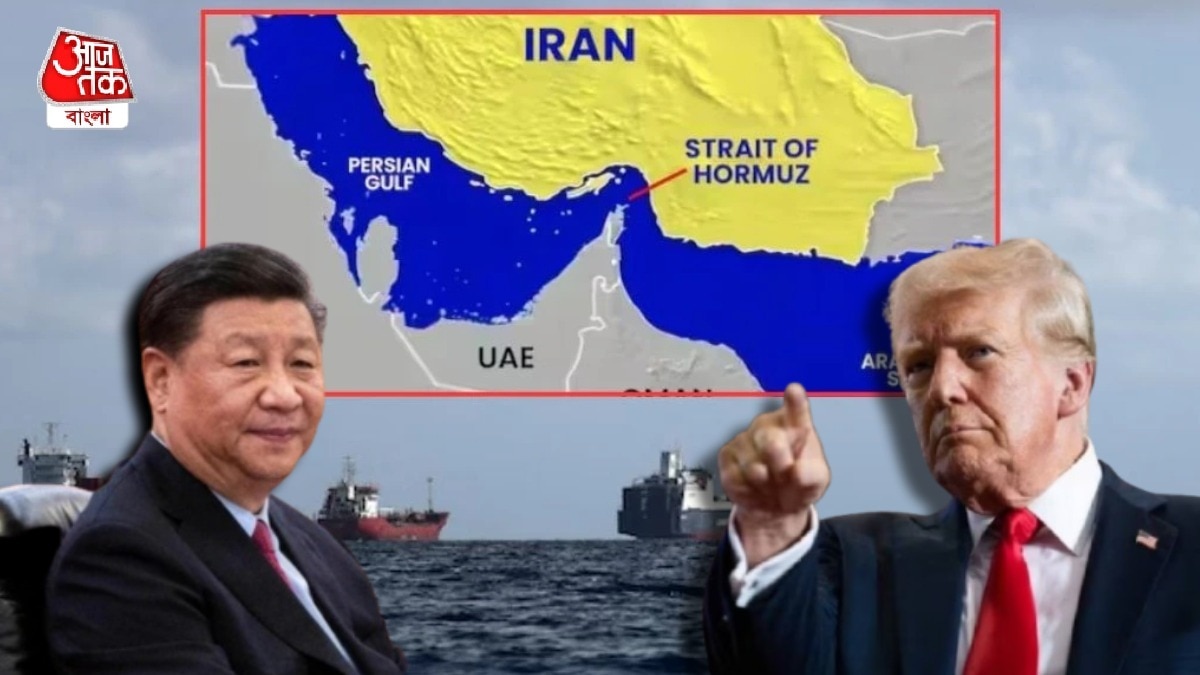
Past crises were geographically limited- a single country, a single waterway, a single set of targets. The current conflict has spread across more than a dozen countries, with Iranian attacks on Gulf states, US bases, shipping routes, and diplomatic facilities. Qatar has declared force majeure on its LNG exports. The Strait of Hormuz is under threat. Six American soldiers have been killed in Kuwait. A CIA station in Riyadh has been struck.
Every past US-Iran crisis ended because both sides wanted a way out. This time, everything is different.
Location :
Washington D.C., United States of America (USA)
First Published:
March 06, 2026, 19:54 IST
News world Every Past US-Iran Crisis Ended Quickly But This Time Could Be Different. Here's Why
Disclaimer: Comments reflect users’ views, not News18’s. Please keep discussions respectful and constructive. Abusive, defamatory, or illegal comments will be removed. News18 may disable any comment at its discretion. By posting, you agree to our Terms of Use and Privacy Policy.
Read More