4 weeks ago
Last Updated:January 14, 2026, 14:33 IST
Dinesh Patnaik said Canada’s prolonged inaction had created a permissive environment for extremism and violence directed against India.

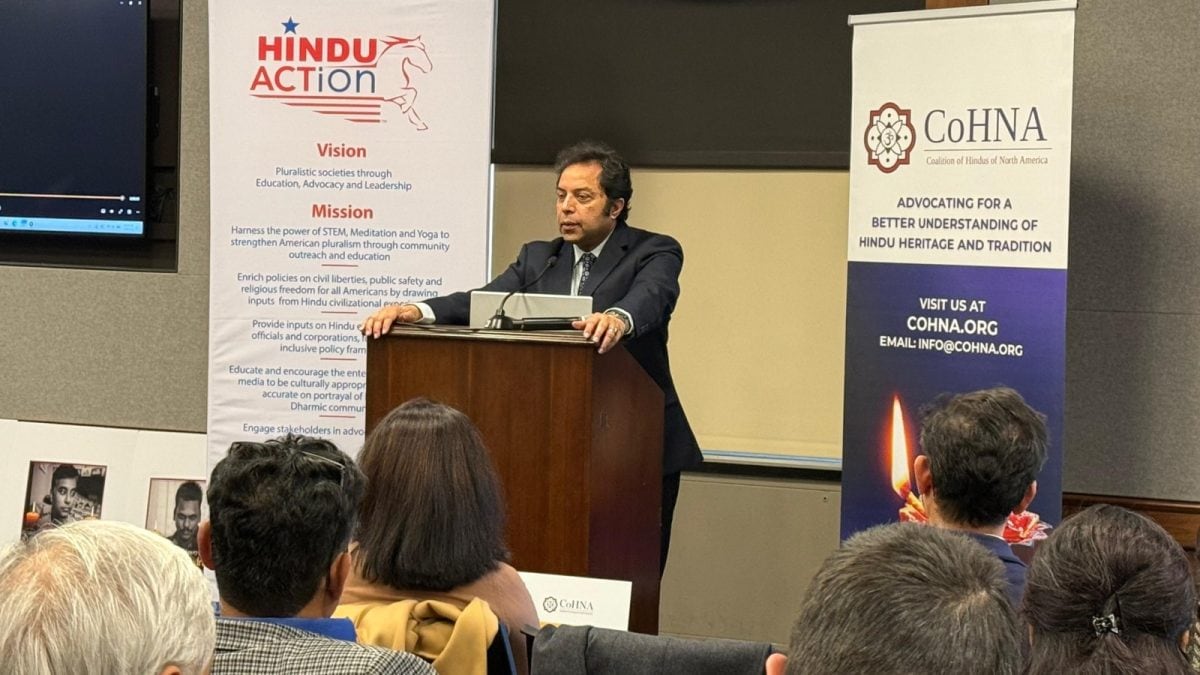
India's High Commissioner to Canada, Dinesh K. Patnaik. (File photo: X)
India’s High Commissioner to Canada, Dinesh Patnaik, on Wednesday launched a scathing attack on Ottawa, accusing it of failing for four decades to act against terrorist elements operating on Canadian soil and allowing extremist networks to flourish unchecked.
Speaking in a combative interview on Canada’s public broadcaster CBC, Patnaik said Canada’s prolonged inaction had created a permissive environment for extremism and violence directed against India.
His remarks came at a sensitive moment, with signs of a tentative thaw in bilateral ties as British Columbia Premier David Eby leads a trade delegation to India and Ottawa signals interest in rebuilding relations with New Delhi.
The discussion quickly moved beyond trade and economics to the most contentious issue in India-Canada ties, allegations surrounding the killing of Khalistani extremist Hardeep Singh Nijjar and Canada’s broader handling of separatist groups.
Patnaik strongly rejected repeated claims by the CBC anchor that Canadian intelligence agencies possessed “credible information" linking Indian officials to Nijjar’s death.
“Where is the evidence?" the High Commissioner asked, insisting that allegations against India had not been substantiated.
He argued that while accusations were easy to make, they must be backed by proof before being treated as fact.
Turning the focus back on Canada, Patnaik said India had been flagging concerns about extremist activity in the country for decades without meaningful action from Canadian authorities.
“We have been talking about terrorism in Canada for the last 40 years. What has been done?" he asked, noting that no one has been convicted in connection with several high-profile cases.
He cited the 1985 Air India bombing, which killed 329 people, as an example of what he described as a failure to deliver justice even after nearly four decades.
The Indian envoy also accused Canada of applying double standards, saying Ottawa demanded high evidentiary thresholds when India shared intelligence on suspected terrorists in Canada, while expecting New Delhi to respond to unproven allegations against the Indian state.
“When you accuse us and we say there is not enough evidence, that principle should be accepted just as readily," he said.
Patnaik firmly rejected suggestions that the Indian government had sanctioned any extrajudicial actions abroad.
“The Government of India does not do such things," he said, adding that if any individual were ever found, on the basis of evidence, to be involved in wrongdoing, India would take action on its own.
He also clarified that India’s concerns were not about the act of holding referendums but about individuals involved in such activities who are wanted in India for criminal or terrorist offences, or who are engaged in extremist activities overseas.
At one point, Patnaik underlined that the ongoing legal case in Surrey involves four individuals and not the Indian state, asking why there was no case against India if the allegations were credible.
The interview comes as Canadian Prime Minister Mark Carney has expressed interest in resetting ties with India, including accepting Prime Minister Narendra Modi’s invitation to visit and reviving talks on a comprehensive economic partnership agreement.
Patnaik said both sides were now “catching up" after a prolonged freeze in relations but stressed that any meaningful reset would require a fundamental change in Canada’s approach to security and terrorism.
“When we provide information about terrorists active in Canada, we are repeatedly told there is not enough evidence to act. We have heard this for 40 years," he said, adding that the rule of law, innocent until proven guilty, must be applied consistently.
Until that happens, Patnaik suggested, Canada’s record reflects not vigilance but a longstanding failure to confront terrorism within its borders.
First Published:
January 14, 2026, 14:32 IST
News world 'Failed For 40 Years': Indian Envoy Slams Canada Over Terrorism Inaction
Disclaimer: Comments reflect users’ views, not News18’s. Please keep discussions respectful and constructive. Abusive, defamatory, or illegal comments will be removed. News18 may disable any comment at its discretion. By posting, you agree to our Terms of Use and Privacy Policy.
Read More