 4 weeks ago
The US Federal Reserve left interest rates unchanged for the fourth time this year after its first meeting under new chair, Kevin Warsh, a Donald Trump appointee who has taken over the central bank during a tumultuous time for the US economy.
“Economic activity is expanding at a solid pace despite elevated uncertainty that owes, in part, to the conflict in the Middle East,” the Fed’s open market committee said in a short statement. “Productivity growth and capital investment are strong. Job gains have kept pace with the workforce, and the unemployment rate has changed little.”
The Fed was widely expected to keep rates at a range of 3.5% to 3.75%, where it has remained since December. The decision was unanimously supported by the Fed’s voting committee.
The committee’s monthly policy statement was notably shorter compared to previous statements. The statement acknowledged that “inflation remains elevated relative to the committee’s 2% goal, in part reflecting supply shocks that have driven price increases in certain sectors, including energy”, and said the central bank “will deliver price stability”.
The Fed released a slate of projections illustrating when individual officials predict rate changes will occur. Nine members projected at least one rate increase this year. Warsh confirmed he was the sole board member who did not contribute to the projections.
The projections mark a U-turn in outlook from just a few months ago: the last time Fed released projections, in March, 12 of the 19 officials projected at least one rate cut by the end of this year.
Warsh begins his four-year term as chair at a time when the US economy has been rattled by heightened inflation and geopolitical uncertainty.
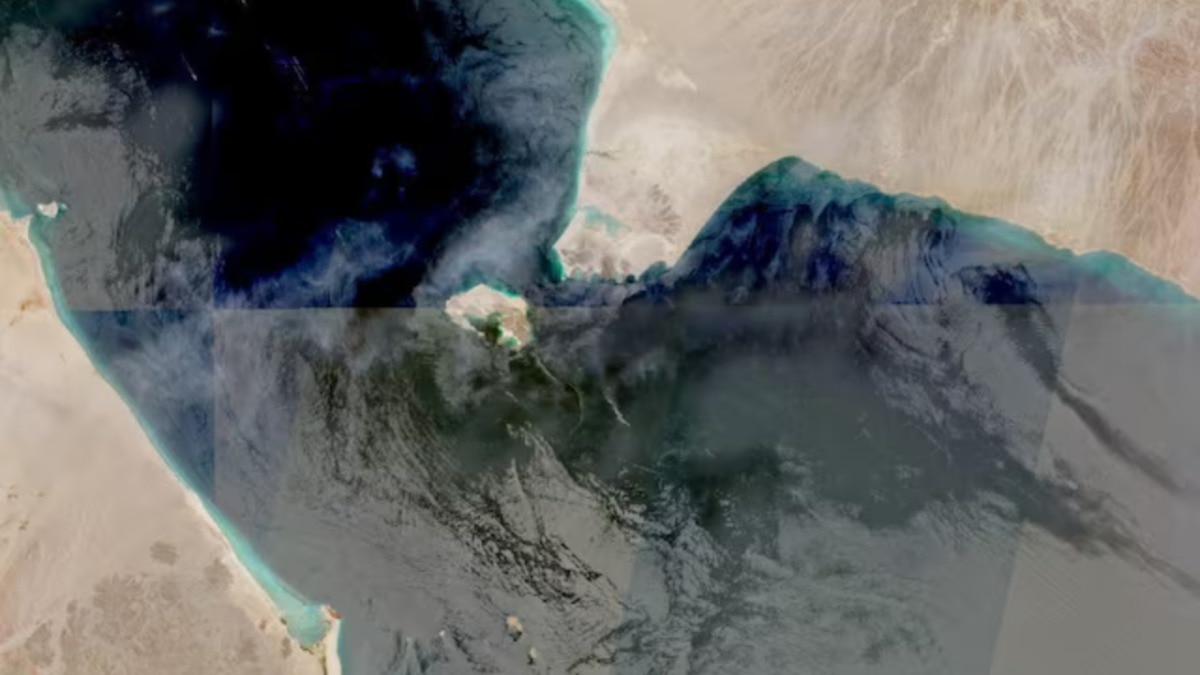
A sharp spike in energy prices caused by the war in the Middle East has pushed inflation to 4.2% – the highest level the US has seen since 2023 and far from the Fed’s 2% target. Though the announcement of a ceasefire deal between the US and Iran sent oil prices tumbling to a three-month low, it will likely take months for energy prices to return to prewar levels.
Meanwhile, hourly earnings dropped to a seasonally adjusted 0.7%, indicating that price increases have stripped out wage gains over the past year.
But it’s unclear whether higher inflation will ever convince a majority of the Fed’s 12 voting members to call for a rate increase. Core inflation, which strips out volatile food and energy prices, has increased only mildly, to 2.9% from the year prior. The country’s labor market has also remained relatively strong, with the unemployment rate holding steady at 4.3%.
Even as Americans continue to balk at higher prices, Trump has continued to advocate for lower rates but said last week that he doesn’t “want to have a big influence” on Warsh.
“Kevin is fantastic, and I want him to do whatever he wants,” Trump said in an interview with Meet the Press on NBC News, while also reiterating his desire for a rate cut.
Before he was first nominated by Trump in January, Warsh argued for the importance of rate cuts – publicly agreeing with the president at a shaky time between the White House and the Fed.
Warsh is likely to receive more favorable treatment from the president compared to his predecessor, Jerome Powell, who Trump repeatedly harassed for holding off on cut rates.
In January, Powell was put under a federal investigation over renovations at the Fed headquarters that went over budget, which the justice department dropped after political pressure. Powell said that the investigation was a”pretext” meant to pressure the central bank to lower rates.
When accepting the John F Kennedy Profile in Courage award earlier this month, Powell warned that politicizing the Fed could permanently damage trust in the central bank.
“The public would lose faith that the central bank will make decisions based only on what’s best for all Americans,” Powell said. “The Fed’s credibility would be lost.”