3 weeks ago
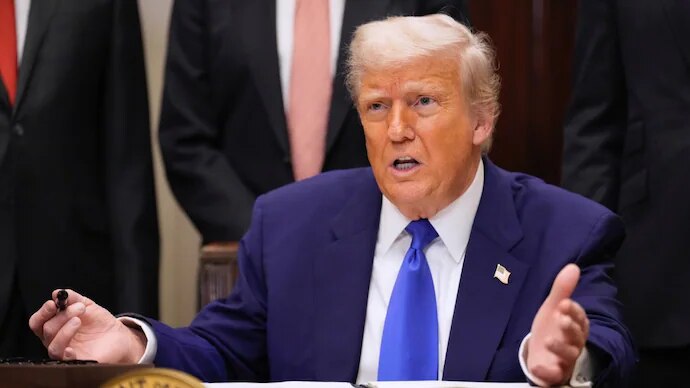
By the time of the call, Trump had already signed off on the idea of military action, according to Reuters, but had not decided "when or under what circumstances the United States would get involved."
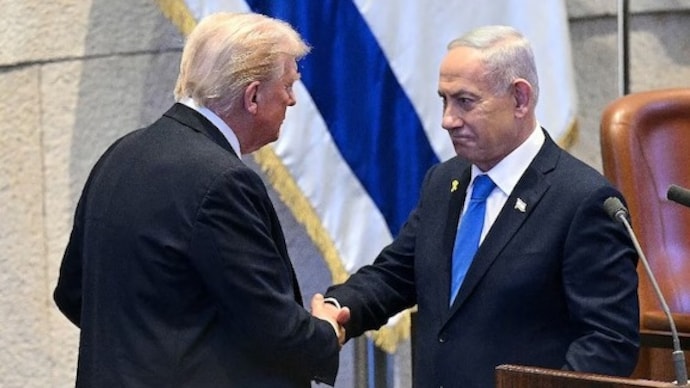
the Trump administration had already approved a military operation against Iran, but the timing and scope were still under consideration when Netanyahu placed the call.(Photo- Reuters)

UPDATED: Mar 24, 2026 06:17 IST
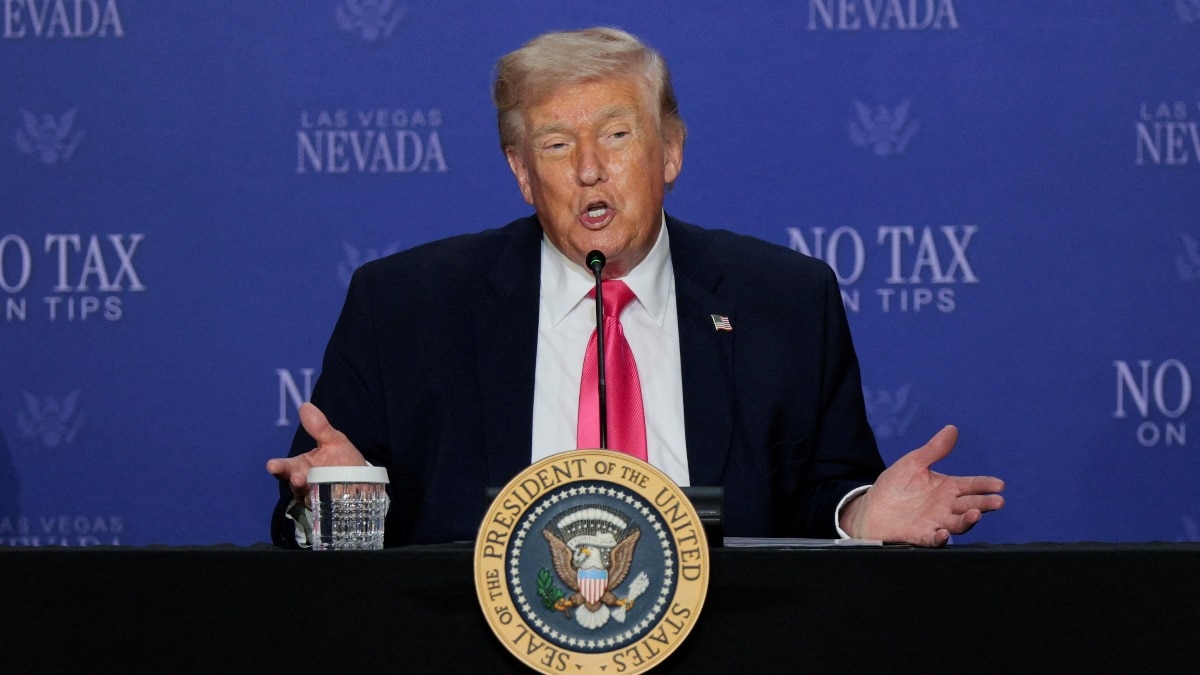
Less than 48 hours before the United States launched its strike on Iran, Israeli Prime Minister Benjamin Netanyahu made a final, forceful case to President Donald Trump, arguing that the moment was ripe for a decisive blow against Tehran’s leadership.
According to a Reuters report, the Trump administration had already approved a military operation against Iran, but the timing and scope were still under consideration when Netanyahu placed the call.
The Israeli leader, citing fresh intelligence, pressed for what officials described as a potential “decapitation strike” targeting Iran’s Supreme Leader Ayatollah Ali Khamenei and his inner circle at a moment when they were believed to be vulnerable.
‘A potential partner and even a future leader’ moment reversed into strike logic
“Less than 48 hours before the strike, Netanyahu spoke to Trump about the reasons for launching the kind of complex, far-off war,” Reuters reported, highlighting how the call became a critical moment in the decision-making process.
New intelligence suggested that a planned meeting of Khamenei and senior aides had been moved forward, creating what Netanyahu saw as a rare opportunity.
He argued there “might never be a better chance to kill Khamenei,” and framed the operation as both strategic and symbolic — including retaliation for alleged Iranian plots to assassinate Trump.
TRUMP HAD APPROVED OPERATION, BUT NOT THE TIMING
By the time of the call, Trump had already signed off on the idea of military action, according to Reuters, but had not decided “when or under what circumstances the United States would get involved.”
The conversation, described by sources as Netanyahu’s “closing argument,” is believed to have been a key catalyst in Trump’s final decision to proceed with the operation, later codenamed Operation Epic Fury.
Reuters noted that intelligence showing a narrowing window to target Iran’s leadership, combined with Netanyahu’s push, helped shape the final call.
FROM PLANNING TO EXECUTION
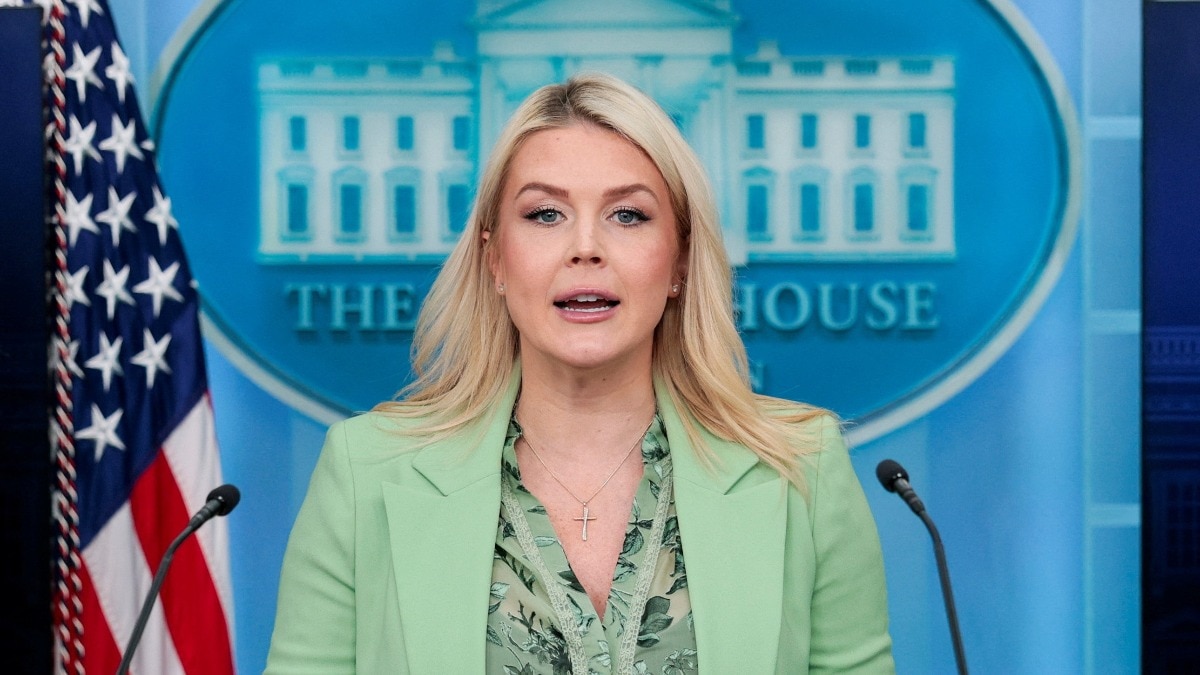
The first strikes were launched on February 28, with Trump later announcing that Khamenei had been killed. The White House, while not confirming details of the call, said the operation aimed to “destroy the Iranian regime's ballistic missile and production capacity and guarantee that Iran can never obtain a nuclear weapon.”
Netanyahu has publicly dismissed suggestions that Israel pressured the US into war, calling such claims “fake news” and insisting that “no one tells President Trump what to do.”
Trump has similarly maintained that the decision to strike Iran was ultimately his own.
A WAR SHAPED BY HIGH-STAKES DECISIONS
Reuters reporting does not suggest that Netanyahu forced Trump’s hand, but indicates that the Israeli leader was a persuasive advocate, framing the moment as a historic opportunity.
He argued that eliminating Iran’s leadership could reshape the region — and potentially trigger internal upheaval in Tehran.
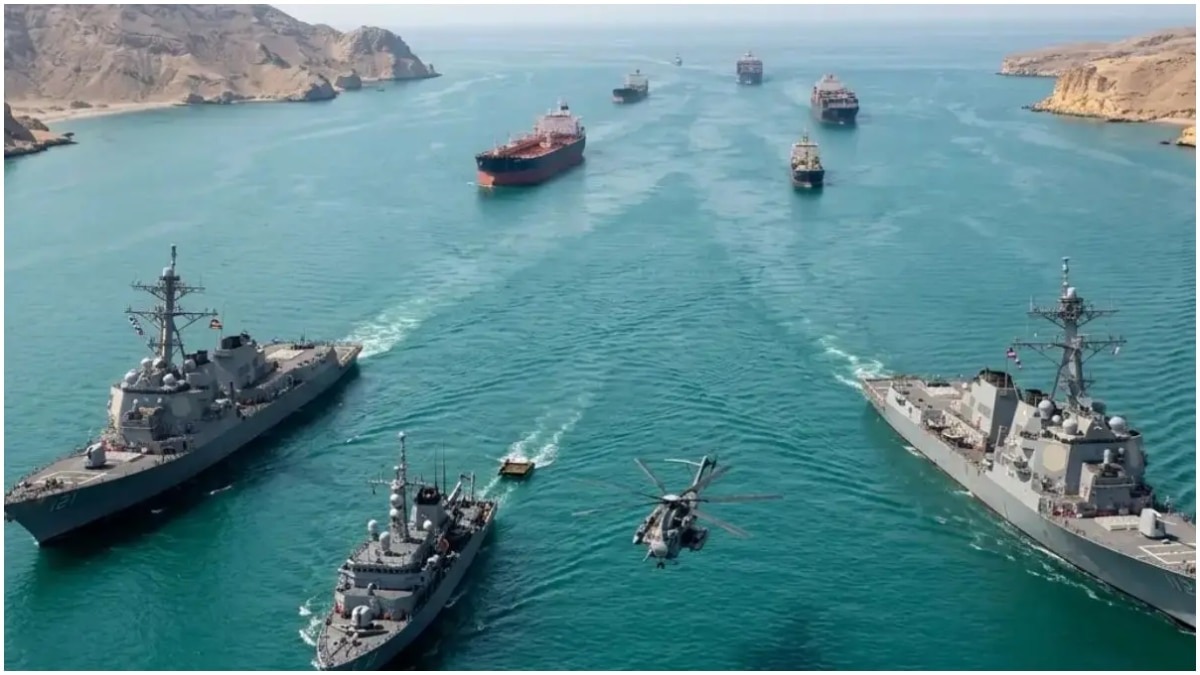
But the consequences have been far-reaching. Iranian counterattacks have targeted US assets, disrupted global shipping routes, and pushed oil prices higher, while the conflict continues to escalate.
- Ends
Published By:
Zafar Zaidi
Published On:
Mar 24, 2026 06:17 IST
Tune In