4 weeks ago
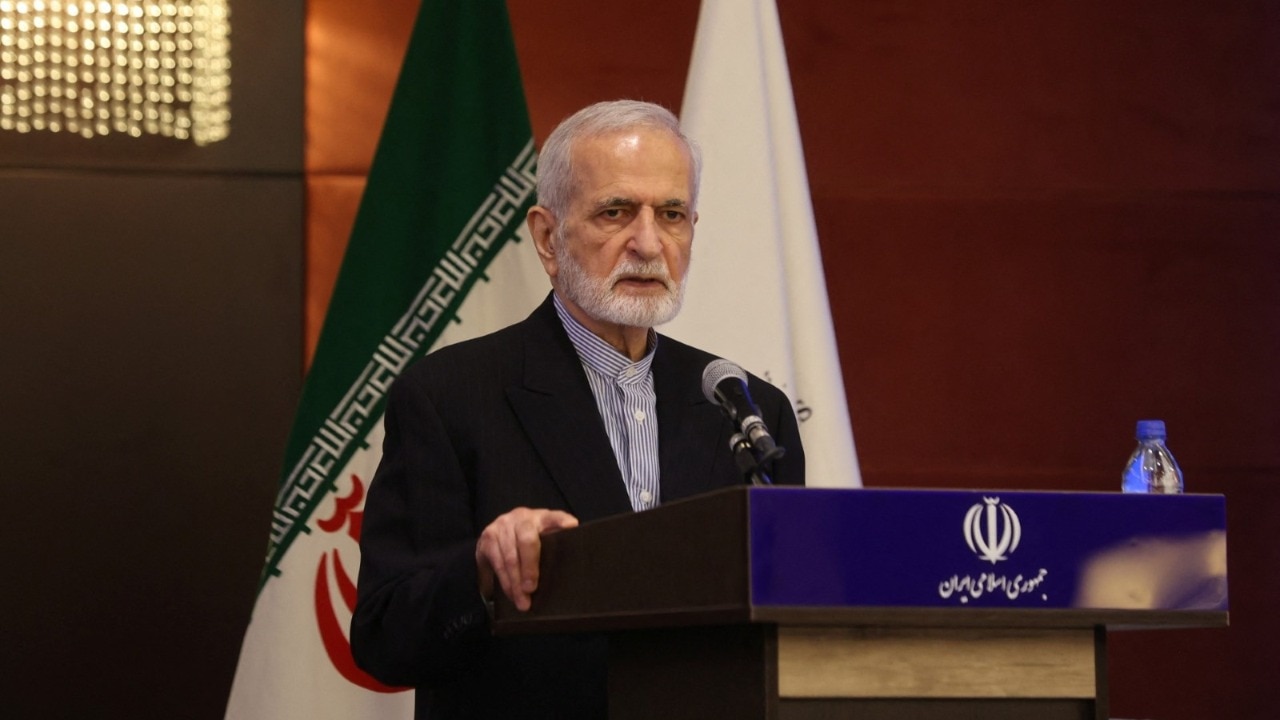
Abdul Majeed Hakeem Ilahi, Special Representative of the office of Iran's Supreme Leader, asserted that the US wants to maintain global dominance and is uncomfortable with the prospect of a multipolar world order.
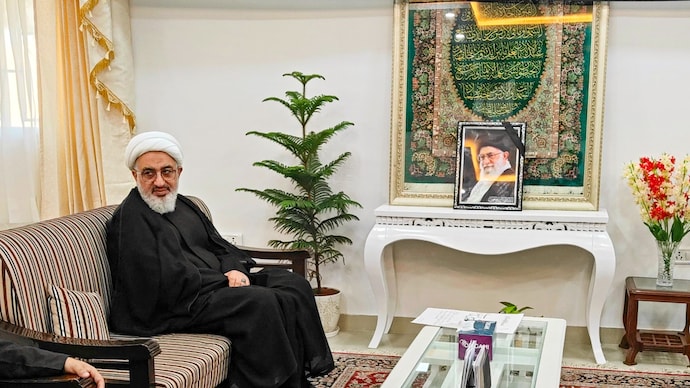
Abdul Majid Hakeem Ilahi, representative of Iran's Supreme Leader's office in India. (PTI Photo)(PTI03_03_2026_000214B)

New Delhi,UPDATED: Mar 4, 2026 02:21 IST
Iran has accused the United States of deliberately fuelling global conflicts to prevent emerging powers like India, China and Russia from rising, even as Tehran signalled it is willing to negotiate an end to the war — but only on what it calls dignified terms.
In an interview with news agency ANI, Abdul Majeed Hakeem Ilahi, Special Representative of the office of Iran's Supreme Leader, said Washington’s broader objective extends far beyond Tehran.
"The aim of America is not Iran, but after Iran, it will come to other countries," he said. "In the near future, the most powerful countries in the world will be India, China, Russia, and America as well. So America doesn't want to have any partner; it doesn't want India or China to be a powerful country. Because of that, they create a lot of wars to stop this in the future."
#WATCH | US-Israel vs Iran conflict | "The aim of America is not Iran, but after Iran, it will come to other countries. According to investigations, in the near future, there will be a shift of power to some other countries. In the near future, the most powerful countries in the pic.twitter.com/gcEKUCxQpR
— ANI (@ANI) March 3, 2026Ilahi asserted that the US wants to maintain global dominance and is uncomfortable with the prospect of a multipolar world order.
"America’s ultimate goal is not just Iran. After targeting our government, they intend to move on to other nations," he said, adding that investigations point to a coming "shift of power" in global politics.
'READY FOR NEGOTIATION, BUT WITH DIGNITY'
Despite the escalating conflict, Ilahi indicated that Iran is open to talks provided certain conditions are met.
"We are ready to stop the war. We are ready for negotiations. But the negotiating should be with dignity, not dictating something against Iran. We are defending ourselves. We are looking for our right and nothing else," he told ANI.
He made it clear that Tehran would only consider dialogue if hostilities cease and guarantees are offered.
"Attacking us and we negotiate it? No. But if they stop the war, and they have to give us the guarantee that they are not going to attack us again, and also to remove the sanctions against Iran, why are we not ready for negotiation? We are looking for peace," Ilahi remarked
Ilahi insisted that Iran did not start the conflict.
"They are the ones attacking us and bombing our civilians; we are simply defending ourselves," he said. "They started it, and they must be the ones to stop it; once they do, we will stop as well."
Ilahi claimed that indirect negotiations between Iran and the US were nearing a positive outcome before Israel and the US launched the strikes.
"Iran had begun negotiating with America through Oman, and both parties were at the table. We were moving toward a conclusion," he said. "We were on the verge of issuing a joint statement. It was immediately after this that America and Israel attacked us."
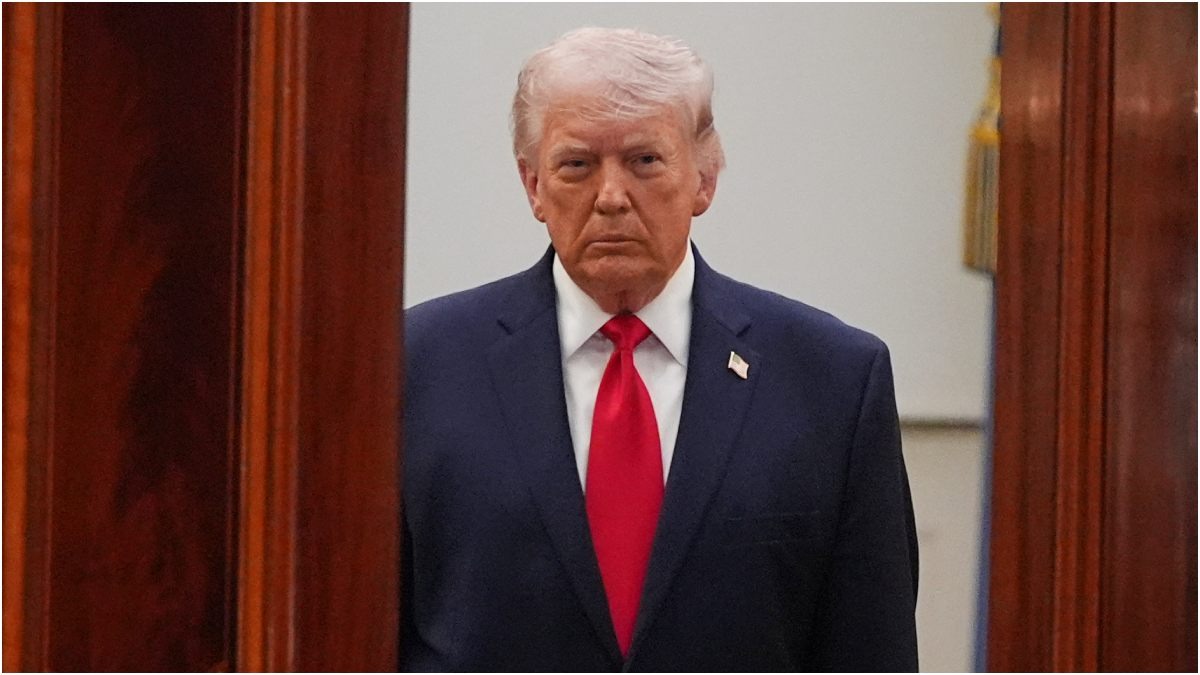
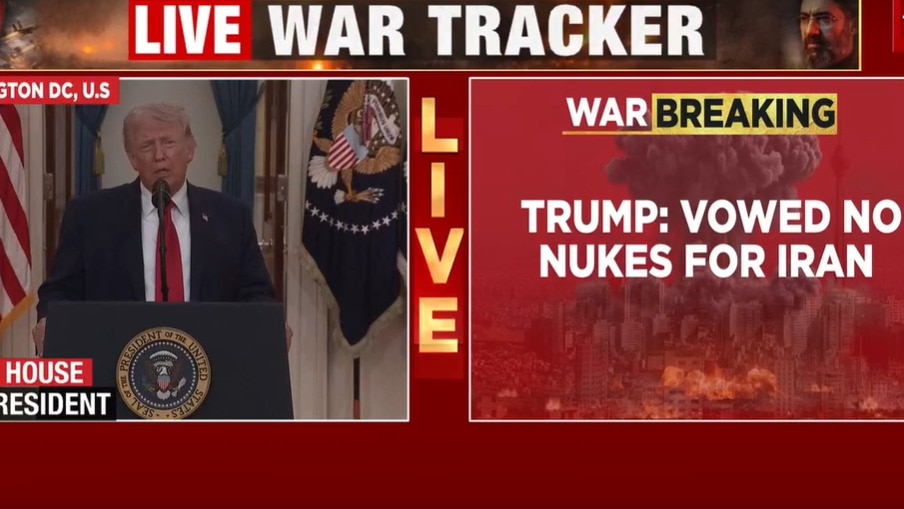
The remarks come as tensions between Iran and the US-Israeli coalition have intensified significantly, with US President Donald Trump saying that the military campaign will continue until Iran’s ballistic missile capabilities are fully dismantled and any nuclear ambition's held by Tehran are fully crushed. Trump has dismissed Iran’s recent willingness for dialogue as "too late."
Ilahi, however, maintained that Tehran never walked away from diplomacy. "We never left the negotiating table; they did,” he said. “In times of conflict and crisis, security and peace are stripped away from everyone," he said during the interview with ANI.
MIDDLE EAST CONFLICT TOLL
The ongoing hostilities in the Middle East, which have seen a sharp escalation, were triggered by the joint US-Israeli military strikes that resulted in the death of Iran's Supreme Leader, Ayatollah Ali Khamenei, and several other high-profile figures of the country's military and political circles over the past weekend.
Iran responded to the offensive with missile and drone attacks targeting Arab countries in the region. Tehran's retaliation to the coordinated US-Israeli strikes has, so far, involved firing several barrages of missiles at its Gulf neighbours hosting US military bases such as Qatar, Kuwait and Bahrain.
Iranian forces also fired missiles at the UAE, Saudi Arabia and Oman. According to an estimate, more than 500 people have been killed in the rapidly evolving crisis between Iran and its arch rivals. The death toll includes six confirmed American military casualties.
- Ends
(With inputs from agencies)
Published On:
Mar 4, 2026 02:21 IST
Tune In