1 month ago
The intelligence reports come as the US–Iran conflict entered its 75th day on Thursday, with ceasefire negotiations still showing little progress. A brief period of relative calm has also been reported around the Strait of Hormuz, following days of intermittent clashes.
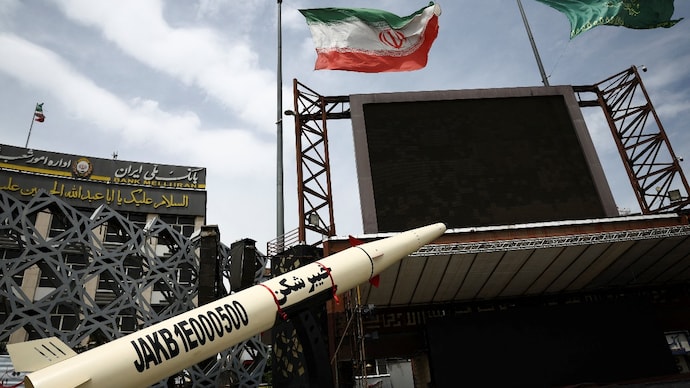
Iran has regained operational control over majority of its missile facilities.

UPDATED: May 14, 2026 08:57 IST
New classified US intelligence assessments have suggested that Iran’s missile network remains largely intact, challenging the Trump administration's earlier claims that Tehran's military has been severely degraded amid the West Asia conflict.
The intelligence reports come as the US–Iran conflict entered its 75th day on Thursday, with ceasefire negotiations still showing little progress. A fragile period of relative calm has also been reported around the Strait of Hormuz, following days of intermittent clashes.
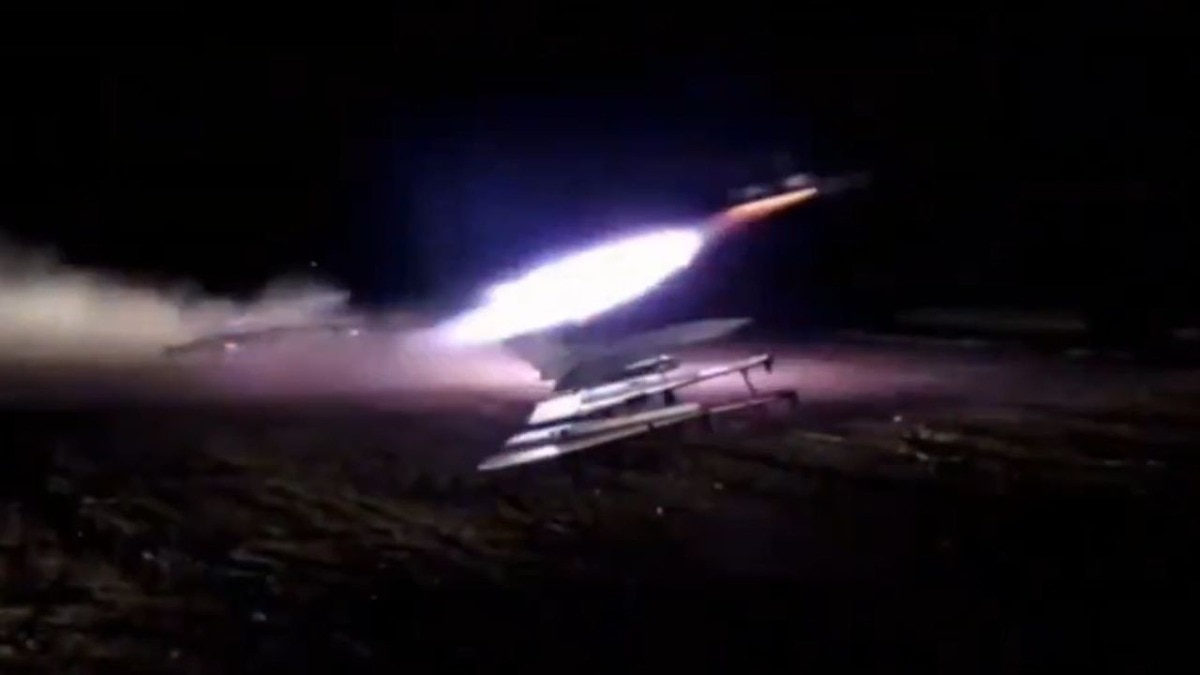
According to the assessments, Iran has regained operational control over the majority of its missile facilities, including sites, underground storage complexes, and mobile launch systems, The New York Times reported.
One of the most closely watched findings indicates that 30 of Iran’s 33 missile installations along Hormuz are now considered usable to varying degrees.
Sources said that this level of accessibility raises continued concerns for maritime security in the region, particularly for naval vessels and commercial oil traffic moving through the narrow and strategically vital waterway.
The intel reports further suggested that Iran also retains the ability to reposition mobile missile launchers between facilities and, in some cases, conduct launches directly from prepared infrastructure within those sites.
Only some installations along the Hormuz corridor are believed to be fully non-operational.
Across the broader territory, intelligence agencies estimate that Iran continues to operate roughly 70 per cent of its mobile missile launchers and has preserved a similar share of its pre-conflict missile stockpile. That arsenal includes longer-range ballistic missiles as well as shorter-range cruise missiles capable of striking regional land and sea targets.
Separately, surveillance data drawn from satellite imagery and other monitoring systems indicates that Iran has regained partial or full access to nearly 90 per cent of its underground missile storage and launch facilities nationwide. These sites are now assessed as largely functional, though with varying levels of operational capacity.
The assessments stand in contrast to repeated public statements by President Donald Trump and Defence Secretary Pete Hegseth, who have described Iran’s military capability as heavily degraded.
When asked about the findings, a White House spokesperson reiterated the administration’s position that Iran’s military capacity had been effectively neutralised, arguing that claims of recovery were exaggerated or politically motivated.
The spokesperson also pointed to recent remarks by Trump dismissing suggestions of Iranian military resilience.
A Pentagon spokesperson sharply criticised media reporting on the intelligence material, accusing outlets of mischaracterising US operations and undermining what officials have described as a successful campaign against Iranian military infrastructure.
- Ends
Published By:
Karishma Saurabh Kalita
Published On:
May 14, 2026 08:57 IST