1 month ago
Last Updated:March 04, 2026, 15:18 IST
Iranian missiles targeted the highly specialised AN/FPS-132 radar system, which analysts described as the "nervous system" of a multi-trillion-dollar defence architecture of the US


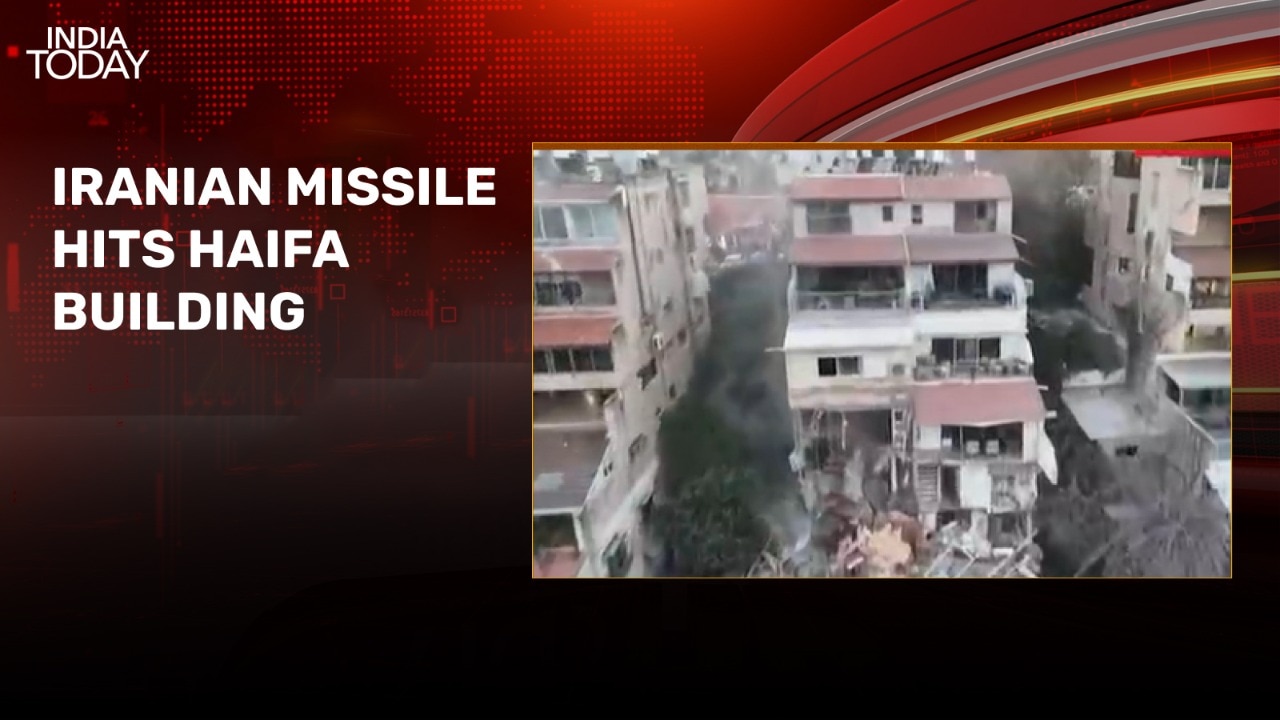
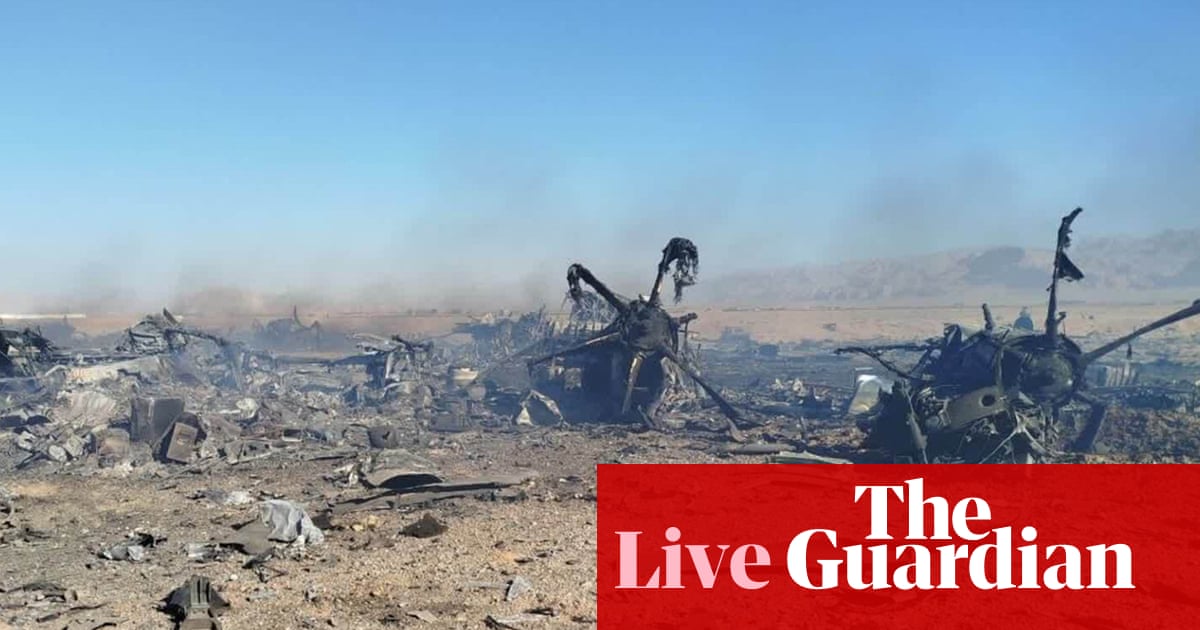
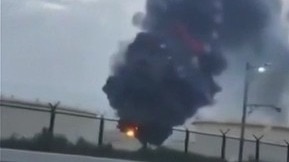
Smoke rises from an area in the direction of Al Udeid Air Base, which houses the Qatar Emiri Air Force and foreign forces including the US, in Doha on February 28, 2026, following a reported Iranian strike. (Image: AFP)
Did one missile strike “change everything" in the ongoing conflict between Iran and US-Israel in West Asia? The hit on what is being called the radar “nerve centre" at the Al-Udeid base in Qatar may have just blinded the American military in the Gulf.
The Iranian strike on the US base, which was confirmed by Qatar’s defence ministry on Tuesday (March 3), is a significant blow to America’s sophisticated air defence network.
According to the Qatari defence ministry, a single Iranian ballistic missile struck the Al-Udeid air base in Qatar. It was initially reported that the air defence systems successfully intercepted one of two incoming missiles, but the one that reached its target delivered a disproportionate blow to US military capabilities.
Follow US-Iran-Israel War LIVE Updates Here
This strike was part of a massive Iranian retaliatory campaign following the joint US-Israeli ‘Operation Epic Fury’, which also killed Supreme Leader Ayatollah Ali Khamenei. It targeted the highly specialised AN/FPS-132 radar system, which military analysts described as a piece of hardware that was the “nervous system" of a multi-trillion-dollar defence architecture.
🇮🇷🇺🇸 Iran just destroyed the AN/FPS-132 radar at Al Udeid with a single missile. One missile.That radar was not just a target. It was the nervous system of every Patriot battery, every THAAD launcher, every layered air defense architecture the United States has spent four… pic.twitter.com/IeD9OXhqic— THE ISLANDER (@IslanderWORLD) March 4, 2026
Analysts said its destruction means that every Patriot battery and Terminal High Altitude Area Defence (THAAD) launcher across the war theatre is now operating “partially blind". This single successful hit represents “asymmetric warfare distilled to its purest form", proving that while the US must be perfect in its defence every time, an adversary like Iran only needs to succeed once to cripple the backbone of its missile defence.
Follow Dubai‑Abu Dhabi LIVE News Updates Here
WHICH ARE THE US BASES HIT BY IRAN?
Iranian strikes have not been limited to Qatar but have spanned across the west Asian region, targeting a majority of US military assets in and around the Persian Gulf.
READ MORE | Missile Math: How Weapons Shortages Could Shape The Israel-Iran War
According to data, these are the following installations and assets targeted by Iran:
Qatar: Al-Udeid Air BaseIraq: Ain al-Asad Air Base and Erbil Air Base (Al-Harir)United Arab Emirates: Al Dhafra Air Base and the commercial Jebel Ali Port, which is used by the US militaryKuwait: Ali Al-Salem Air Base and Camp BuehringOman: Duqm PortJordan: Muwaffaq al-Salti Air Base, which was used to intercept missiles over what was described as Iran’s farthest land targetBahrain: NSA BahrainSaudi Arabia: Prince Sultan Air BaseCyprus: The British airbase at Akrotiri, which hosts US troops, was targeted by a sustained drone attack from the Iran-backed Lebanese group Hezbollah. This is the first attack on a European country in this conflict.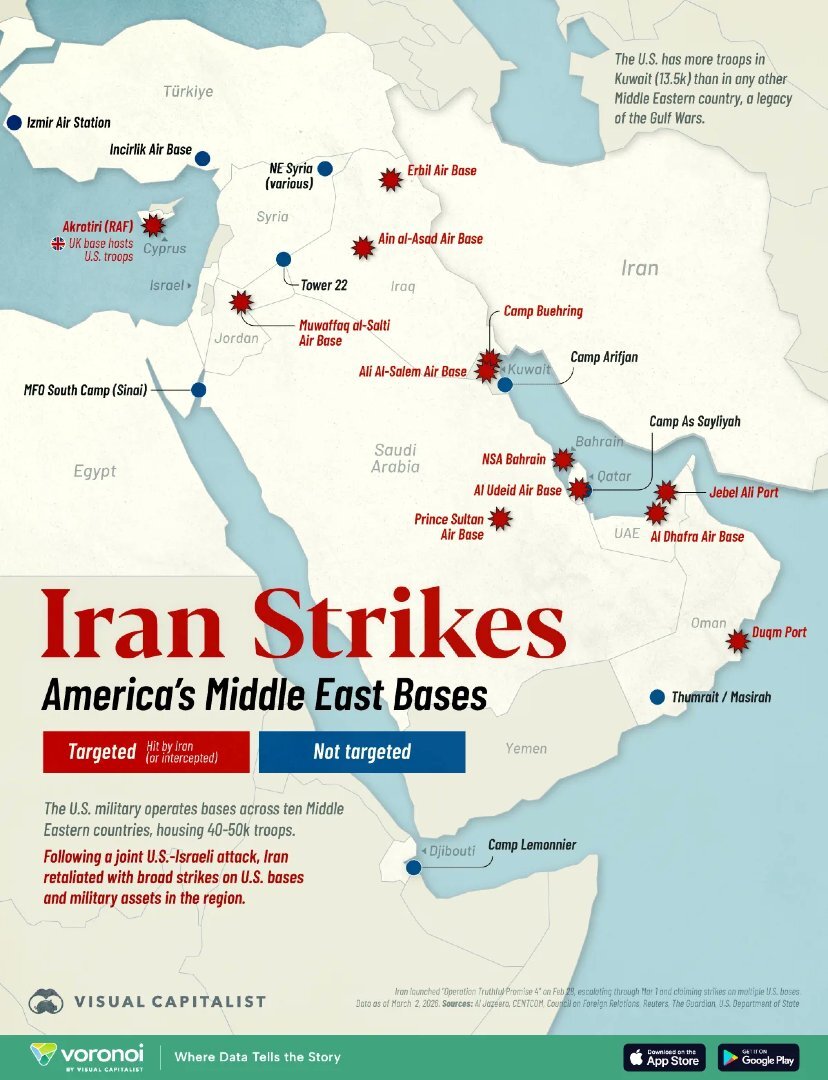
There are, however, several key US installations that are safe so far – Camp Arifjan in Kuwait, Camp As Sayliyah in Qatar, and various positions in Northeast Syria. None of the US military installations in nearby Djibouti (Camp Lemonnier), Egypt (MFO South Camp), or Türkiye (Incirlik Air Base and Izmir Air Station) appear to have been hit.
WHAT IS THE SIGNIFICANCE OF THE AL-UDEID RADAR?
The loss of the AN/FPS-132 radar at Al-Udeid is being called a “blind eye" for the Pentagon. This facility serves as the primary radar hub for the layered air defence architecture that the US has spent four decades constructing at a cost of several trillion dollars.
Without the data feed from this specific nerve centre, the US military’s ability to coordinate intercepts for incoming threats is severely compromised. The implications are already being felt at sea.
The US Navy, which had been promised as an escort for Gulf shipping through the Strait of Hormuz, has announced it can no longer provide these escorts. The lack of a credible timeline for restoring these services has left 3,200 ships sitting idle causing European gas prices to surge by 50 percent.
The strike demonstrated that the “petrodollar runs through a chokepoint the United States can no longer credibly protect".
WHAT DOES THE US GULF PRESENCE LOOK LIKE?
The concentration of American forces in the Persian Gulf is a testament to the region’s role as the largest single source of petroleum worldwide.
At present, the US maintains a deployment of between 40,000 and 50,000 soldiers in at least 10 countries in West Asia. Qatar hosts the largest single regional facility at Al-Udeid Air Base, where more than 10,000 personnel are stationed, followed by Kuwait that maintains a substantial presence with over 13,500 soldiers after the Gulf Wars.
This sprawling presence is designed to secure energy transit and project power, yet the recent strikes have put these personnel on high alert as the conflict is expected to last for weeks.
ALSO READ | US Intel Warns Iran Could Attack America In Retaliation Over Khamenei’s Killing: Report
WHAT ARE THE AMERICAN BASES BEYOND THE GULF?
While the Gulf remains the focus, the US military footprint extends further across West Asia and into neighbouring regions.
These include major hubs such as Incirlik in Türkiye and Camp Lemonnier in Djibouti. The strategic depth provided by these bases outside the immediate Persian Gulf is intended to provide alternative staging grounds. But the drone attack on the RAF Akrotiri base in Cyprus shows that even facilities traditionally considered beyond the immediate “splash zone" of west Asian conflicts are now vulnerable to Iran’s proxy network.
HOW MUCH IS US SPENDING ON THIS DEFENCE INFRA?
The ongoing Iran conflict has driven up a long-term upward trajectory in US defence spending. Since the late 1990s, this expenditure has risen from roughly USD 542 billion to levels exceeding USD 900 billion in the early 2020s.
In 2026, the US Congress approved a budget of USD 901 billion. But regional instability has accelerated these requirements.
The Trump administration has proposed a record USD 1.5 trillion military budget for 2027 – a 50 percent increase over current levels. This massive proposed expenditure aims to expand capabilities and accelerate modernisation, addressing critical shortages in air defence interceptors.
At present, manufacturers like Raytheon produce only 37 THAAD interceptors a year – a rate that analysts said is insufficient for the high-intensity conflict with Iran. When measured per capita, the US already ranks second globally spending nearly USD 2,900 per person on defence, surpassed only by Israel’s USD 5,000 per person.
Location :
Washington D.C., United States of America (USA)
First Published:
March 04, 2026, 14:29 IST
News world Iran's Strike On Radar 'Nerve Centre' Al-Udeid Big Blow To US, What Other American Bases Were Hit?
Disclaimer: Comments reflect users’ views, not News18’s. Please keep discussions respectful and constructive. Abusive, defamatory, or illegal comments will be removed. News18 may disable any comment at its discretion. By posting, you agree to our Terms of Use and Privacy Policy.
Read More