 3 weeks ago
Iran has waived transit fees for commercial vessels using the Strait of Hormuz for 60 days under its new agreement with the United States. The move, alongside the US ending maritime blockade enforcement, will test whether shipping confidence returns to the Gulf.
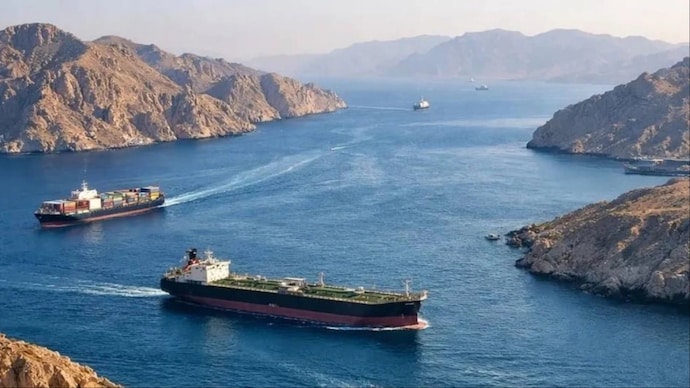
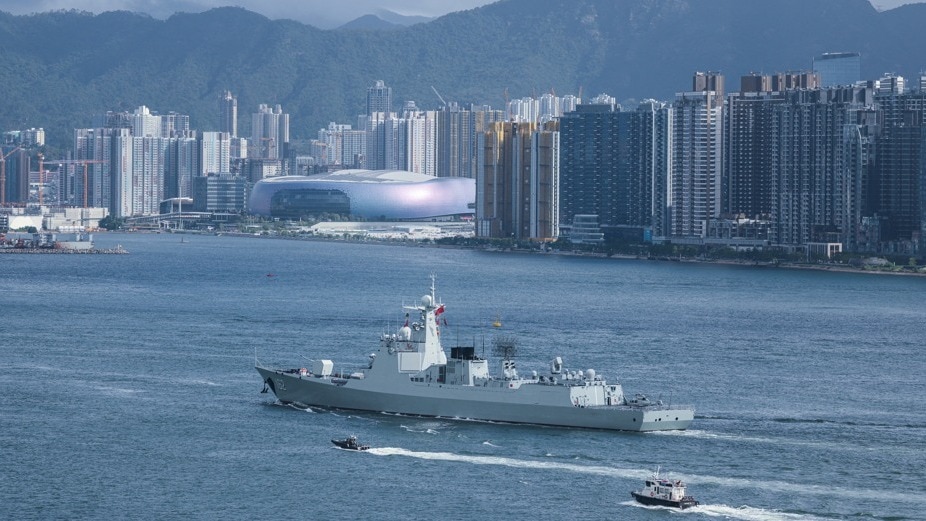
Strait of Hormuz (File Photo)

UPDATED: Jun 19, 2026 06:08 IST
Iran has announced that commercial vessels transiting the Strait of Hormuz will not be charged any fees for the next 60 days, unveiling one of the first major implementation measures under a newly signed memorandum of understanding (MoU) with the United States aimed at easing regional tensions and restoring maritime trade.
In a statement carried by state media on Thursday, Iran's Supreme Security Council (SNSC) said the temporary waiver would apply to merchant ships seeking permission to pass through the strategically important waterway. The council added that all costs associated with the transit process during the two-month period would be borne by the Iranian government.
The decision follows the signing of a 14-point US-Iran agreement that established a 60-day framework for negotiations on broader issues including regional security, maritime navigation, sanctions relief and Iran's nuclear programme.
FAST-TRACK APPROVALS FOR VESSELS
According to the SNSC, vessels wishing to transit the Strait of Hormuz must continue to obtain approval from the Persian Gulf Strait Authority, the Iranian body tasked with overseeing navigation through the waterway.
The authority has been instructed to process requests on a priority basis and issue permits as quickly as possible in order to facilitate the implementation of the agreement. Iranian officials said the measure is intended to encourage the gradual return of commercial shipping activity after months of disruption and uncertainty in the Gulf.
Despite the fee waiver, Tehran stressed that all vessels must comply with operational requirements established by the authority.
SECURITY RESTRICTIONS REMAIN
Iran said ships would be required to adhere to designated transit corridors and allocated schedules while passing through the strait.
The SNSC said the restrictions were necessary because of operational conditions and security concerns in the area. Officials argued that regulating the movement of vessels would help prevent maritime accidents, ensure navigational safety and allow traffic levels to increase in a controlled manner.
The council added that the Persian Gulf Strait Authority would release additional technical guidance and implementation details in the coming days.
Iran also said mine-clearance operations in and around the waterway would be conducted in accordance with provisions contained in the MoU.
KEY TEST FOR US-IRAN DEAL
The announcement is significant because the Strait of Hormuz remains one of the world's most important maritime chokepoints, carrying a substantial share of global crude oil and liquefied natural gas exports.
The fee suspension is also notable given earlier concerns that Iran could seek to impose transit charges on vessels using the route. The issue had emerged as a sensitive point during discussions surrounding the agreement, with US officials insisting that freedom of navigation through the strait was essential to restoring confidence in global shipping markets.
US ENDS MARITIME RESTRICTION
The Iranian announcement came shortly after the United States signalled a major easing of maritime restrictions around Iran.
US Central Command said American forces had ceased enforcing any blockade measures affecting vessels entering or leaving Iranian ports and coastal waters.
"American forces are not impeding the transit of vessels to or from Iranian ports. All US military blockade enforcement efforts have ceased," the command said in a statement posted on X.
The parallel moves by Tehran and Washington represent the first tangible steps under the US-Iran agreement and are expected to be closely watched by shipping companies, energy markets and regional governments as the 60-day implementation period gets underway.
- Ends
Published By:
Nitish Singh
Published On:
Jun 19, 2026 06:08 IST