1 month ago
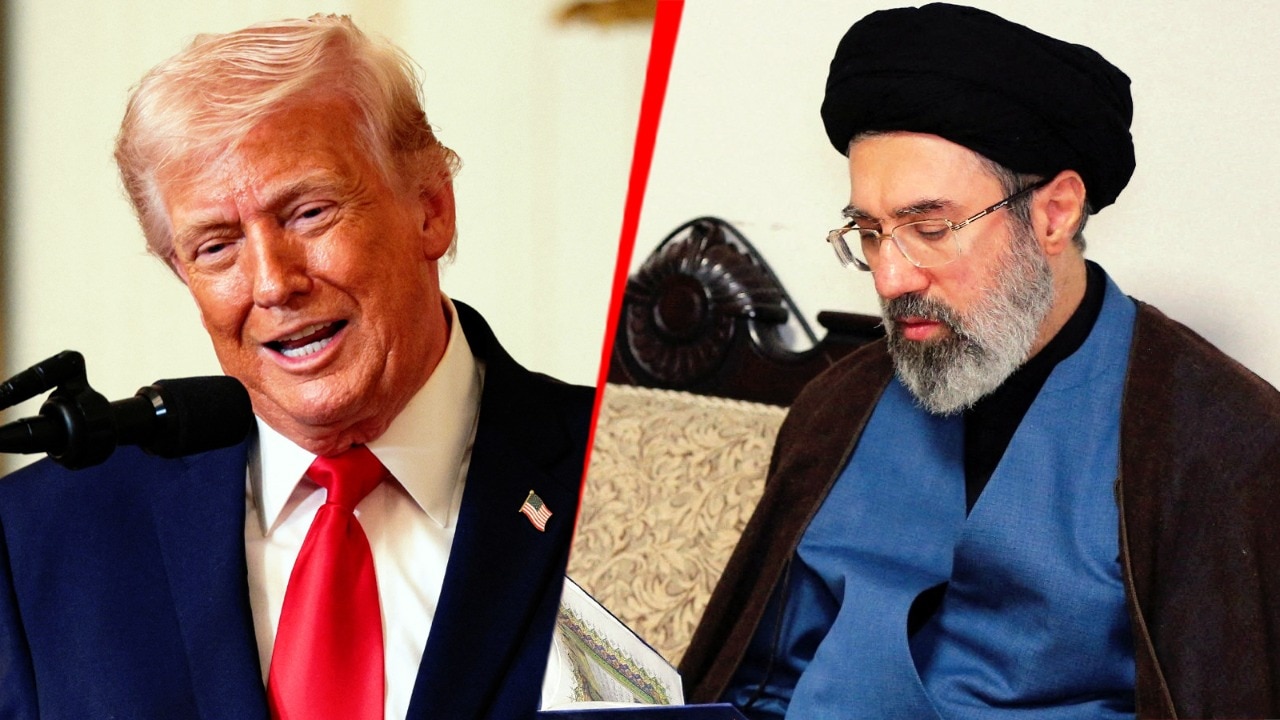
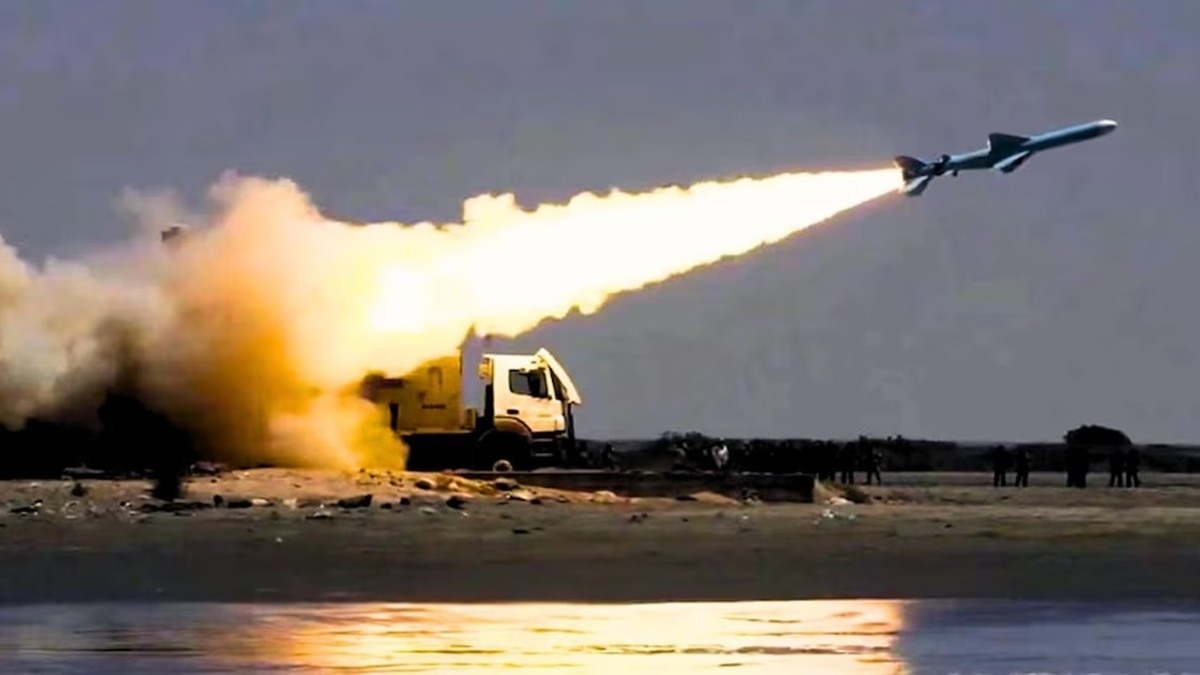
US President Donald Trump's announcement extending America's ceasefire with Iran indefinitely sparked grand celebrations across the country. Footage from Reuters showed Iranians flooding the streets of Tehran as the military paraded its arsenal of ballistic missiles, a display of equal parts triumph and defiance. But beneath the jubilation, a more consequential conversation is taking shape, one that would have seemed unthinkable just months ago: that the war with the US may have inadvertently elevated Iran to the status of the world's fourth superpower.
Traditionally, the label has been reserved for nations whose economic scale and military dominance place them in a league of their own — namely the US, China, and Russia. The idea of Iran joining that club would, on paper, seem far-fetched. Its economy and conventional military strength pale against most major world powers.
In a New York Times op-ed, University of Chicago political scientist Robert Pape argues that "a fourth centre of global power is quickly emerging — Iran," even though it "does not rival those three nations economically or militarily".
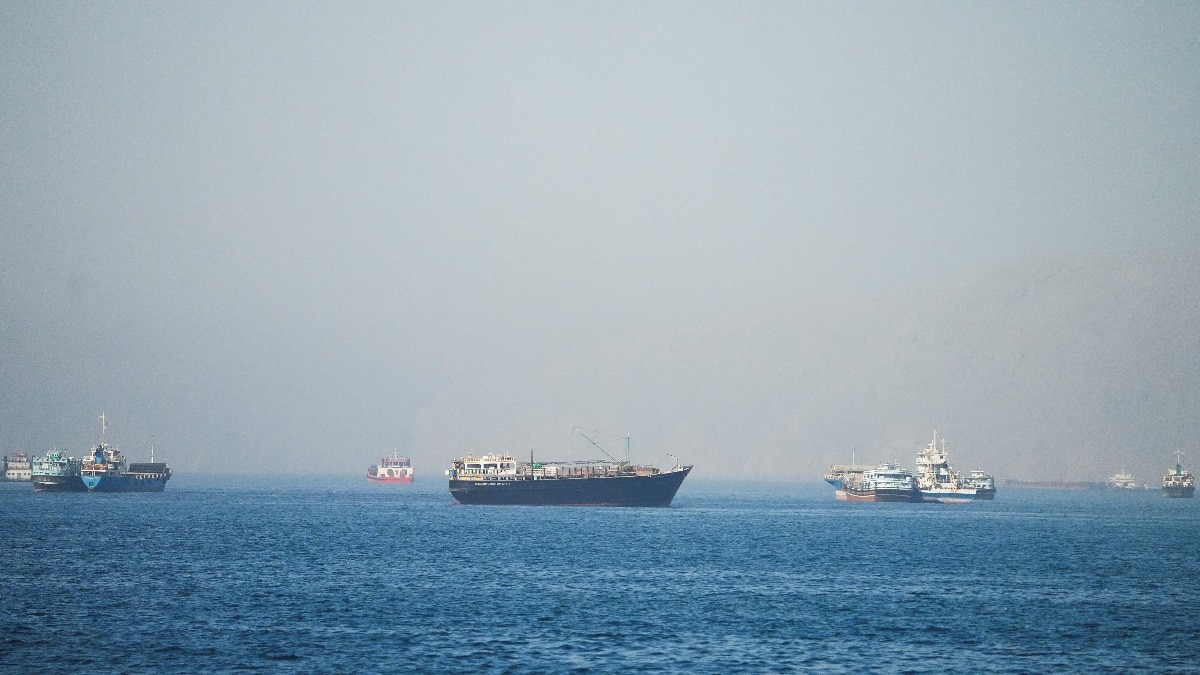
Iran's claim to a new kind of geopolitical weight rests on two distinct foundations: its extraordinary resilience in the face of overwhelming US-Israeli military pressure, and its stranglehold over the Strait of Hormuz — the critical waterway through which roughly a fifth of the world's oil and gas flows. The ability to threaten that chokepoint grants Tehran a form of leverage that no amount of sanctions or airstrikes can easily neutralise.
IRAN'S STRATEGY OF RESILIENCE
No country can be a world power if it cannot withstand an adversary's military might — and that is precisely what Iran has done since February 28. Its decentralised command structure has allowed it to keep fighting despite sustained and overwhelming US pressure.
The war has inflicted severe damage. Joint US-Israeli strikes wiped out much of Iran's top leadership, including Supreme Leader Ali Khamenei. Its navy was largely destroyed, air defences degraded, and civilian infrastructure — bridges, rail junctions — targeted without restraint.
But the regime endures. Iran has shown a remarkable ability to repair destroyed railways and bridges within days.
And despite triumphant declarations from Trump and Defence Secretary Pete Hegseth that Tehran's military had been reduced to dust, CBS News, citing anonymous officials, reported otherwise. Much of the IRGC's naval arm remained intact, as did two-thirds of Tehran's air force. Iran also still retains, in the words of US Marine Corps Lt Gen James Adams cited by CBS, thousands of missiles and one-way attack drones capable of threatening US and partner forces across the region.
This residual strength allowed Iran to reshape the terms of the conflict — something few adversaries of the United States have managed in decades.
HOW IRAN'S HORMUZ STRANGLEHOLD IS GIVING TEHRAN SUPERPOWER STATUS
Robert Pape argues in the New York Times op-ed that Iran was deriving its newfound power from "control over the most important energy chokepoint in the global economy".
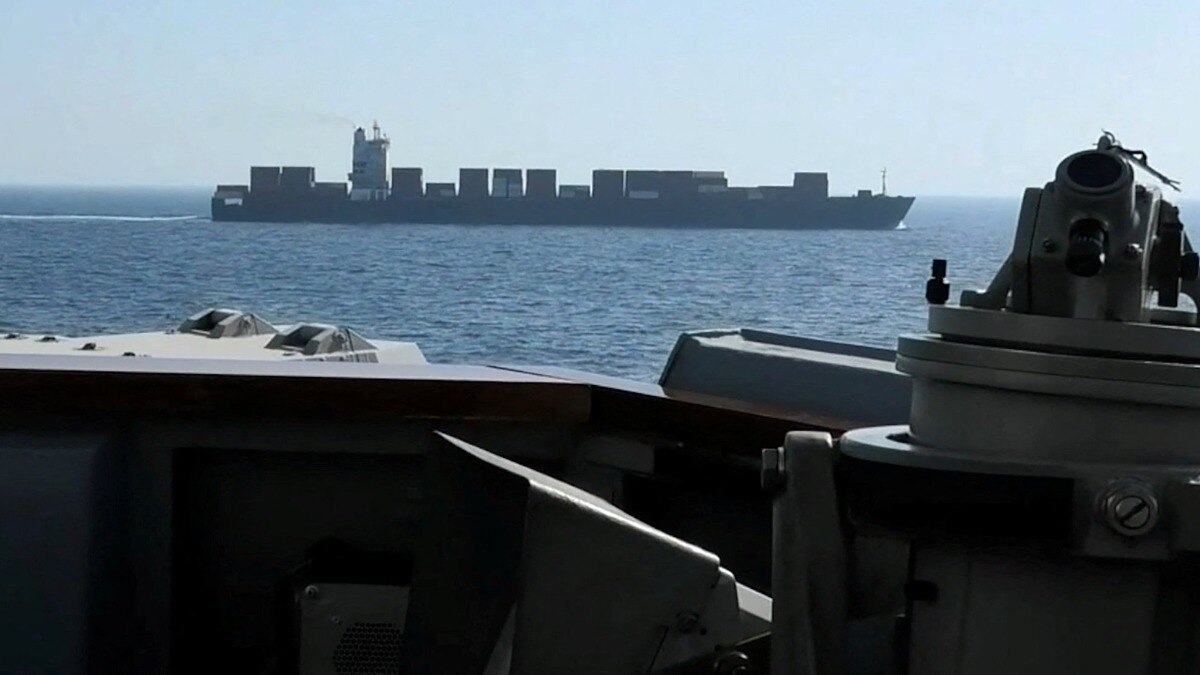
That chokepoint is the Strait of Hormuz, through which roughly a fifth of the world's oil and liquefied natural gas moves, with no viable alternatives in the near term. And Iran has straitjacketed it with remarkable efficiency.
"You can control the strait without closing it," Pape notes. Traffic has already dropped by over 90% — not because every vessel was attacked, but because the threat alone caused maritime insurers like Lloyd's of London to pull back, forcing commercial shippers to halt operations. The asymmetry is stark: protecting every oil shipment is a full-time operation, while hitting a cargo ship every few days is more than enough to make the risk unacceptable.
As Pape put it: "Iran is far stronger than it was just 40 days ago. It is in control of 20% of the world's oil. It is now an emerging fourth centre of power The US is on one side, and the rivals are China, Russia and now Iran."
As a report in The Conversation noted, the war's irony runs deep: "While the US and Israel aimed to weaken Iran's nuclear and missile capabilities, the conflict has given Tehran a powerful new tool, control of the strait."
The report further notes that this control over Hormuz would give Tehran "geopolitical leverage, particularly with countries in the Global South. Control over the strait allows Iran to bargain with energy-dependent states, encouraging them to circumvent US sanctions on the regime and deepen economic engagement in exchange for concessions accessing the strait."
We are already seeing the effects of this leverage. Iran has managed to impose massive losses on Gulf producers, with Anadolu Agency estimating costs to Saudi Arabia and the UAE at $50 billion. So much so, the New York Times reported on Tuesday that the US was considering financial support for allies like the UAE hit by the economic fallout of the war.
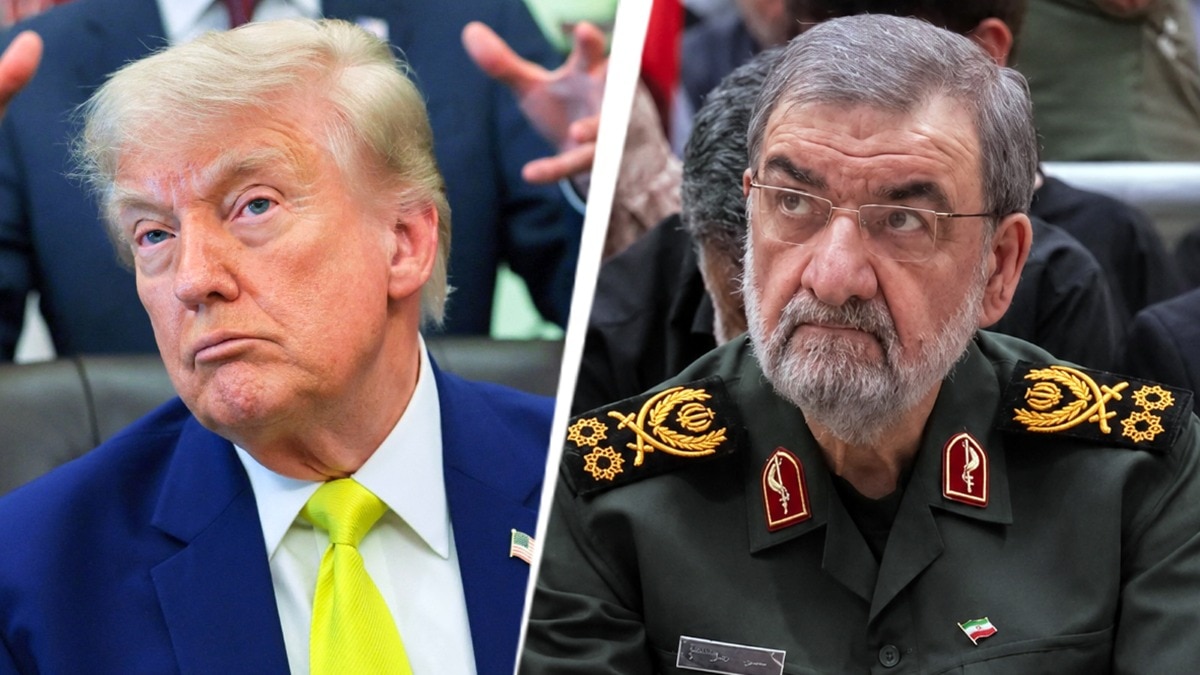
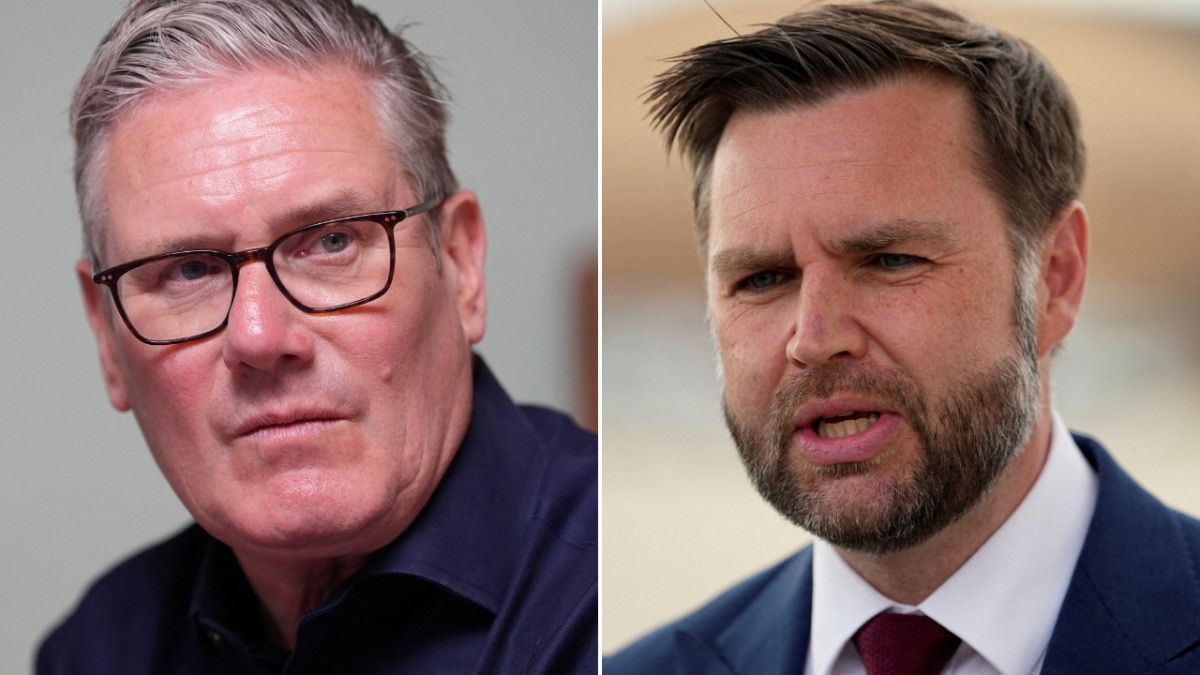
Perhaps most strikingly, it is Iran, not the US, that appears to be driving the course of the war. Despite Trump's threats to obliterate Iranian civilisation, he has twice relented: first agreeing to a ceasefire, then extending it. When a US delegation led by VP JD Vance arrived in Islamabad for the second round of peace talks, Iran gave them the cold shoulder, demanding an end to "ceasefire violations" and the lifting of the blockade on Iranian shipping.
This ceding of initiative has a single root cause: Iran's grip on the Strait of Hormuz, which has sent energy prices spiralling worldwide. New York's Empire State Building may not be fending off Shaheed drones, but those who live and work there are feeling the pain at the pump — and with midterm elections approaching, that pain is very much on Washington's mind.
IS IRAN REALLY A SUPERPOWER?
So Iran has found formidable new leverage over the rest of the world. Does that make it a superpower? Not by any conventional measure — and the honest answer is probably no.
The war has cost Iran enormously. Its leadership remains fragmented, with new Supreme Leader Mojtaba Khamenei's whereabouts and authority both contested, while moderates and hardliners continue to jostle for control. The economy was in a sorry state even before the first bombs fell — inflation above 40%, the rial in free-fall, and sanctions already biting deep. The cost of reconstruction will be staggering. As bne IntelliNews observed, Iran's "conventional military is degraded, its air force is a museum," and its currency trades at levels that "in any other economy would signify total collapse."
But the superpower debate, as Pape and others frame it, was never really about the size of a country's air force or much money it earns in a fiscal year.
It is about the ability to impose one's will on the international system. And on that measure, Iran has done something remarkable. It has stared down the world's most powerful military, kept its regime intact, seized control of a chokepoint that holds the global economy hostage, and forced the US to the negotiating table twice.
Whether or not Tehran deserves the superpower label, the world is increasingly having to deal with it as though it does
- Ends
Published By:
Shounak Sanyal
Published On:
Apr 23, 2026 15:53 IST
Tune In