1 hour ago
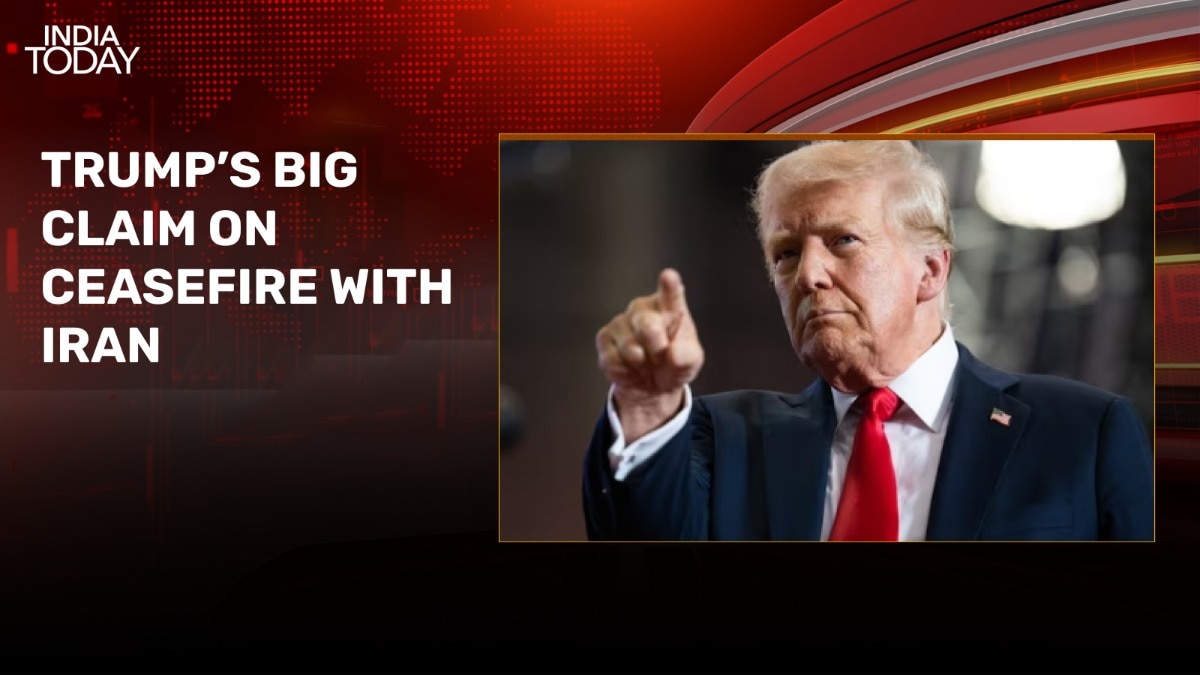
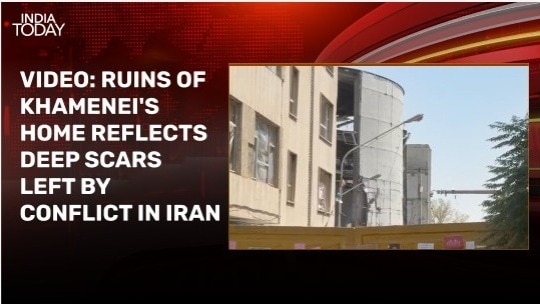
Thousands joined funeral processions for Ayatollah Ali Khamenei in the Iraqi holy city of Najaf. The ceremonies are unfolding amid renewed US-Iran strikes, deepening fears of a wider regional crisis.

Stock photo used for illustration

Najaf,UPDATED: Jul 8, 2026 17:34 IST
Funeral processions for Iran's late Supreme Leader Ayatollah Ali Khamenei began on Wednesday in the Iraqi city of Najaf, with thousands of mourners taking part. The dayslong funeral began on Saturday in Iran, with authorities shutting down streets, airspace and daily life in Tehran as people commemorated the leader who had ruled the country for decades.
Khamenei's body arrived in Najaf on Tuesday and is due to be taken later on Wednesday to Karbala before returning to Iran. The funeral is unfolding as tensions remain high in the region, with talks between the United States and Iran appearing to be on hold until after the burial and fresh strikes raising fears that the interim agreement to end the months-long war in the Middle East could come under strain.
Khamenei was killed in late February in wide-scale US and Israeli strikes on Iran. He was among several senior Iranian leaders killed during the war. He was 86.
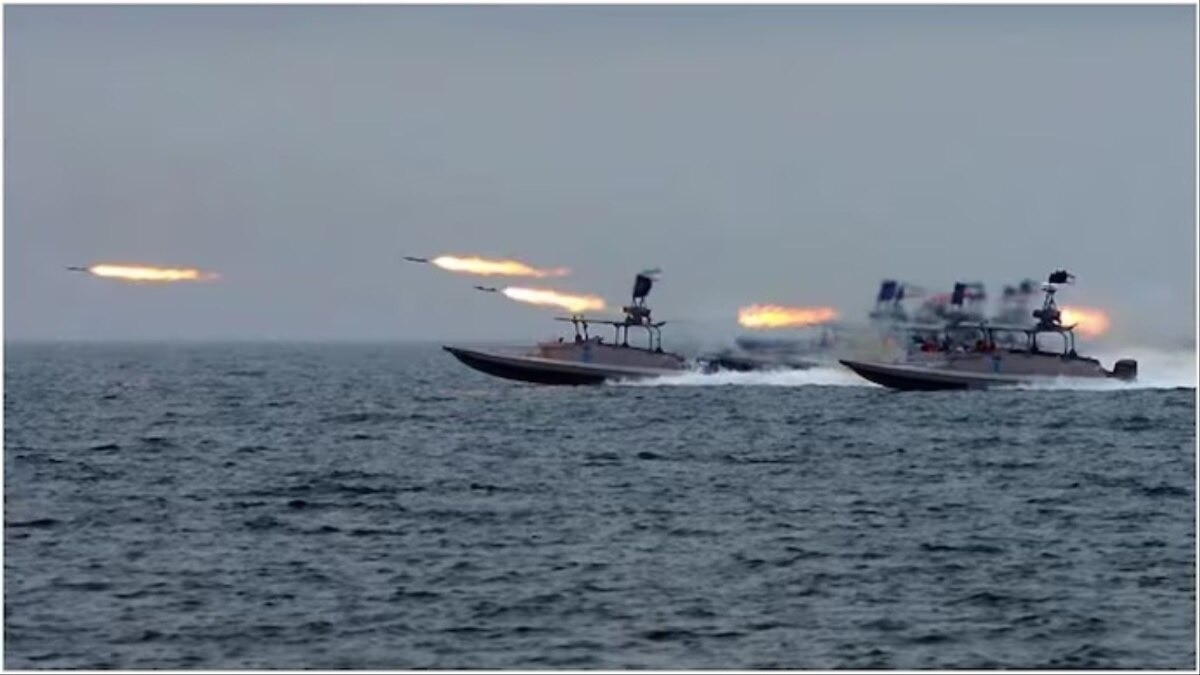
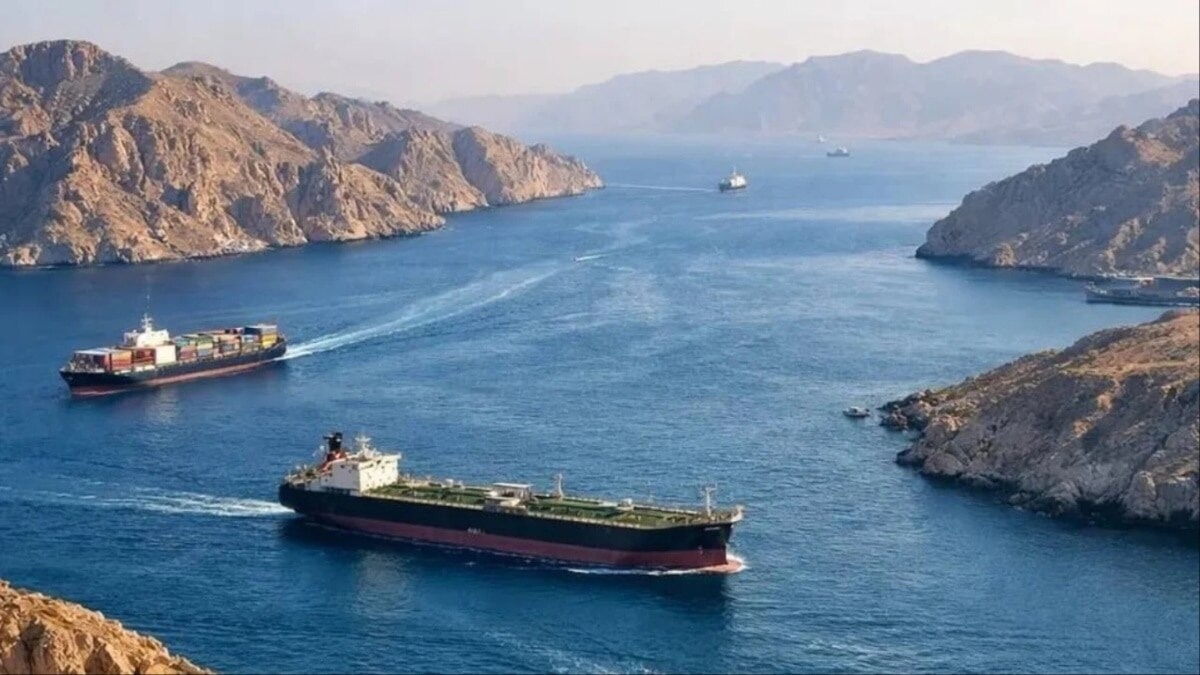
The US military attacked Iran early on Wednesday after saying Tehran had struck three ships in the Strait of Hormuz. Iran then launched retaliatory strikes on Kuwait and Bahrain.
Najaf, where the body arrived on Tuesday, is considered one of the holiest cities for millions of Shiite Muslims around the world. Mourners holding portraits of Khamenei received the body and the senior officials escorting it, including Iranian President Masoud Pezeshkian and Foreign Minister Abbas Araghchi.
The body was placed in a casket draped in the Islamic Republic's flag and enclosed in glass. Some supporters performed self-flagellation on the streets, while others waved Iranian flags as well as red and black flags symbolising mourning and revenge.
Muhammad Taqi al-Hakim, a senior scholar at the Najaf seminary, led funeral prayers at the Shrine of Imam Ali, the Prophet Muhammad's cousin and son-in-law. As the coffin was carried into the shrine, large crowds of mourners pushed and shoved to get close to it. Some threw themselves onto the casket, while al-Hakim struggled to control the crowd and urged pallbearers to carry it closer to the ground out of fear that it might fall.
"We, the people of Iraq, will remain a thorn in the eyes of the enemies," said Jaafar Jawad, who attended the funeral. "(His body arriving here) is the greatest possible honour, and God willing, we will be loyal and repay a little of his debt in the holy city of Najaf."
The body is expected to reach Karbala later on Wednesday. The city is another holy place for Shiite Muslims, where Imam Hussein, the Prophet's grandson, was killed in 680 AD. Abdul Mahdi al-Karbalaei, a representative of Iraq's top Shiite religious authority, will lead prayers at the Imam Hussein Shrine.
Iran's new supreme leader, Ayatollah Mojtaba Khamenei, has not yet appeared at the funeral ceremonies, which are continuing over several days. He is believed to be in hiding after reportedly being wounded in the airstrike that killed his father. With the funeral moving from Najaf to Karbala and then back to Iran, the ceremonies are continuing alongside renewed military exchanges in the region.
With PTI Inputs
- Ends
Published By:
India Today Web Desk
Published On:
Jul 8, 2026 17:34 IST