2 weeks ago
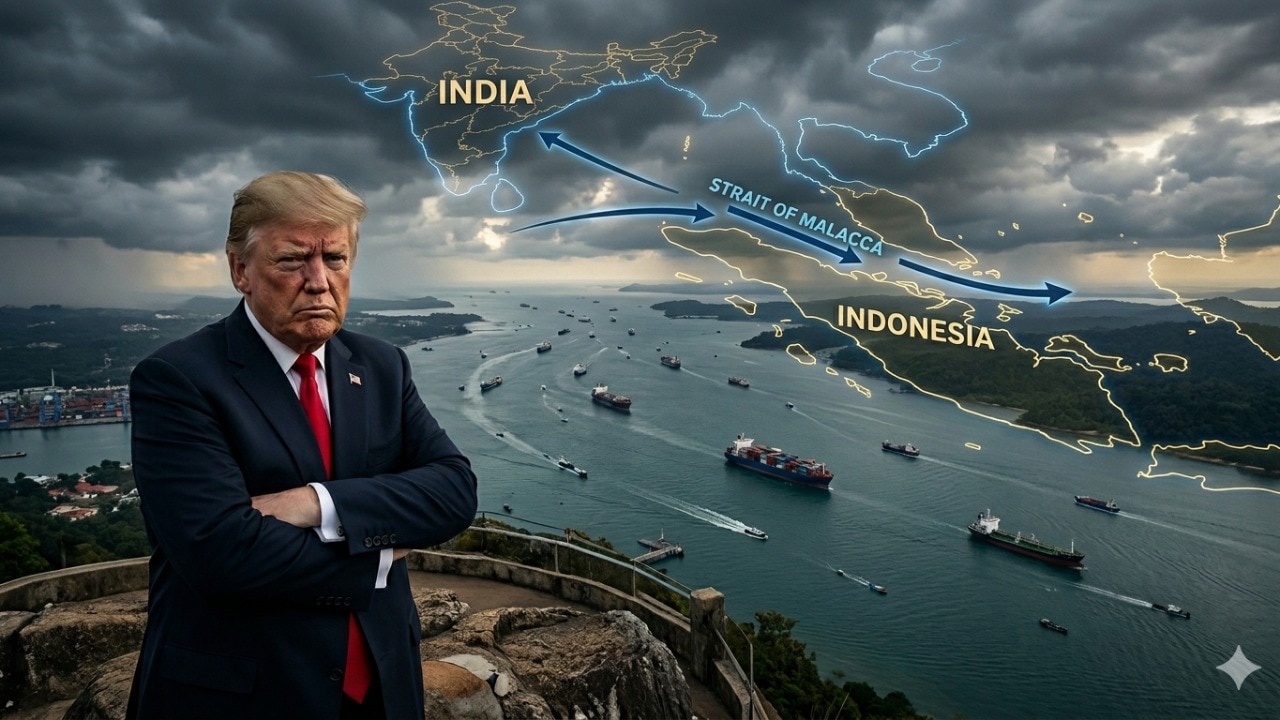
As Trump eyes a ground offensive in Iran's Kharg Island to force it to reopen the Strait of Hormuz, a lesson learnt by Britain 100 years back should not be overlooked. In 1915-16, Britain undertook an operation, known as the Battle of Gallipoli, to control a key waterway and knock out the Ottoman Empire. It failed miserably and suffered 2,50,000 casualties.
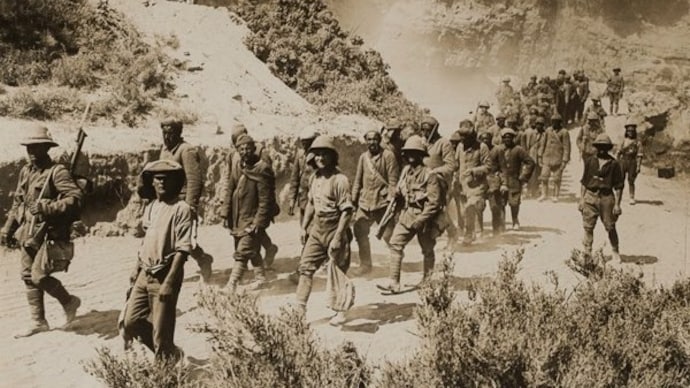
The Battle of Gallipoli was an unsuccessful attempt by Britain to control the sea route from Europe to Russia

New Delhi,UPDATED: Mar 27, 2026 12:52 IST
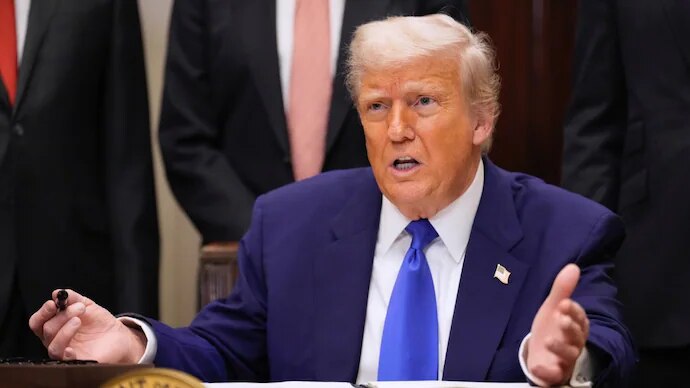
Kharg, a small island off the coast of Iran, has emerged as Donald Trump's key target for a ground invasion. The plan is simple -- seize the island by deploying amphibious assault forces, choke Iran's oil lifeline, and knock Tehran out of the war. Around 100 years ago, the mighty British attempted a similar operation to capture the Dardanelles Strait and weaken the Ottoman Empire during World War I. But it turned out to be Britain's biggest mistake. The campaign, known as the Battle of Gallipoli, left tens of thousands dead, and Britain had to make a humiliating withdrawal.
A similar operation in Kharg, which accounts for 90% of Iran's oil exports, or the Strait of Hormuz, a shipping route blocked by Tehran, carries similar risks. Underestimating the terrain, Iran's defences and, above all, its grit could lead to a Gallipoli-style setback for Trump. In 1915, then British Prime Minister Winston Churchill and his generals saw the Ottomans as weak and outdated. That assumption proved fatal.
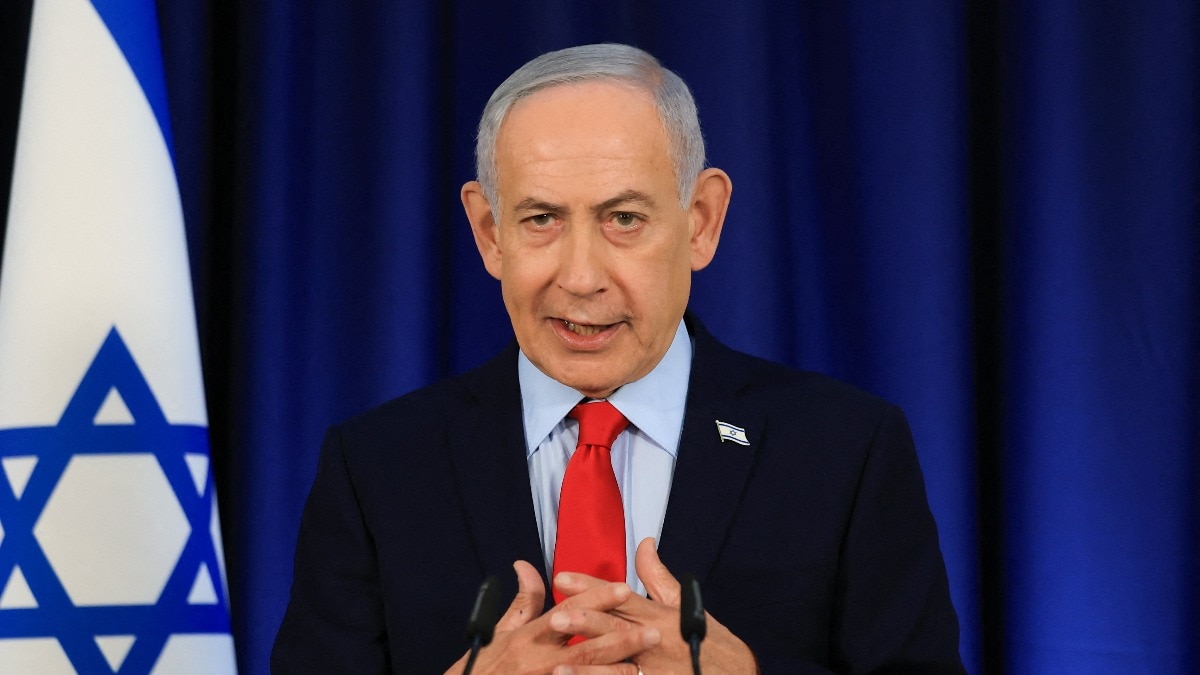
Iran risks being viewed through a similar lens. Trump has previously said any ground offensive in Kharg would be a "little excursion". Israeli PM Benjamin Netanyahu has labelled Iran a "paper tiger". However, the Battle of Gallipoli can provide an important lesson.
WHAT HAPPENED IN THE BATTLE OF GALLIPOLI?
Let us take you back to 1915, when the Allied Powers, led by Britain, decided to attack Turkey, which was on the side of the Central Powers. So, what happened in the Battle of Gallipoli?
The Gallipoli campaign was the first major amphibious operation. It was launched to aid Russia amid a looming Turkish invasion in the Caucasus.
The plan was to use naval power to break through, land troops, capture Constantinople (now Istanbul) and seize the Dardanelles Straits, a narrow 61 km waterway that connects the Aegean Sea to the Sea of Marmara. It forms a crucial link to the Black Sea.
The operation began on February 19, 1915, with British and French battleships bombarding the Dardanelles. While it managed to destroy outer Turkish forts, the British and French navies soon faced heavy fire. Undetected mines sank three ships and severely damaged three others.
Britain and France came under tremendous pressure. A ground invasion was planned. Troops from Australia, New Zealand and French colonies joined British forces on the Greek island of Lemnos.
The Ottomans also boosted their defences and posted troops along the shore, where the Allied forces were expected to land.
On April 25, 1915, Britain launched a ground invasion in the Gallipoli Peninsula. However, after the initial landing, the Allies failed to make any major progress. Factor this: of the first wave of 200 troops, only 21 made it ashore.
The Ottomans were ready on the steep heights above the beaches. When the Allied forces landed, they got trapped on narrow strips of sand. They became exposed to constant gunfire and shelling from above. In such a situation, moving forward was deadly. Retreating was just as dangerous.
At the same time, the Turks, with geography on their side, gathered more and more troops on the peninsula.
The casualties were mounting for the Allied forces. Then commander of British forces, General Ian Hamilton, sought 95,000 additional troops. However, the British war secretary offered a quarter of that number.
Under constant fire, the Allied forces struggled to keep supplies flowing.
By mid-October, plans were being made for the evacuation of the remaining 105,000 Allied troops. Eventually, on December 7, Britain gave the green light for evacuation from Gallipoli. The last troops left on January 9, 1916.
Overall, around 4,80,000 Allied forces took part in the Gallipoli operation. There were more than 2,50,000 casualties. Around 46,000 were dead. On the Turkish side, 65,000 were killed. The campaign was a disaster for the Allies.
WHY A GROUND INVASION IN IRAN CARRIES RISKS?
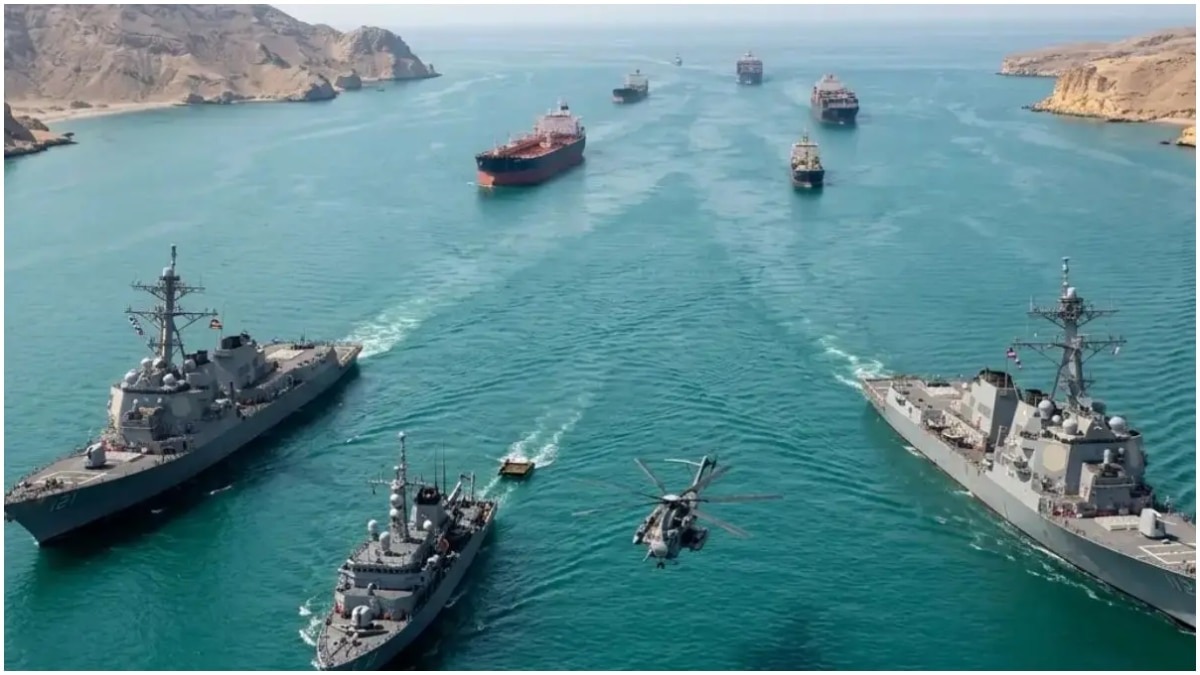
A similar situation may unfold if Trump decides to put boots on the ground in Iran's Kharg or near Hormuz today. Around 2,200 Marines aboard the amphibious assault warship, USS Tripoli, is likely to reach the Middle East on March 28.
The terrain at Gallipoli turned Britain's operation into a disaster. Iran possesses similar steep elevations in the mountains that surround its entire coast. Thus, once US troops hit the shores, they could be seen, tracked, and targeted.
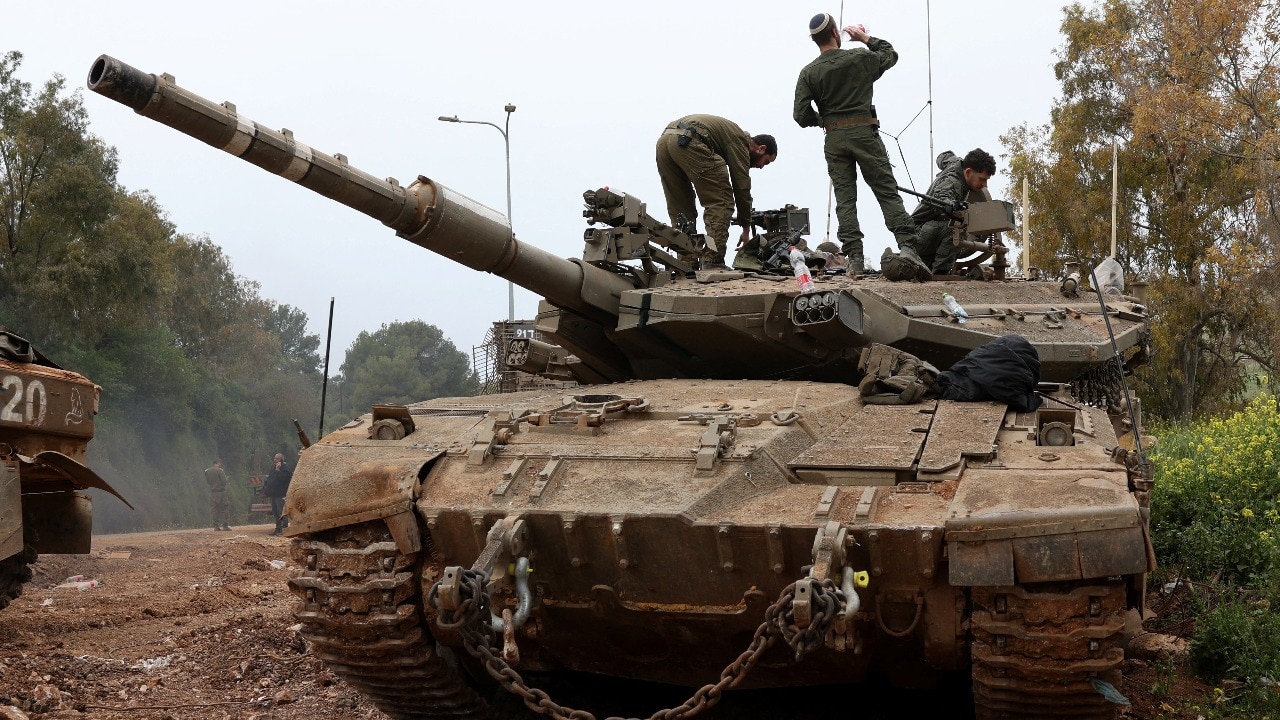
Iran has already put in place layered defences. Kharg has, in fact, been turned into a fortress.
Iran has started laying anti-personnel and anti-armour mines around the island, as well as on the shoreline, as per a CNN report. Additional troops have been deployed, and MANPADs or shoulder-fired, surface-to-air guided missile systems have also been sent to Kharg.
Thus, instead of relying on a single line of defence, Iran has prepared for "saturation warfare".
Think about it like this. Thousands of drones, missiles, and fast-attack boats launched in swarms to overwhelm and exhaust the US troops. The idea is simple -- apply constant pressure from multiple directions.
In 1915, the narrow Dardanelles Strait became a death trap for the Allied forces. Simple naval mines sank multiple, superior British ships in a single day.
Today, the Strait of Hormuz resembles a similar chokepoint. It is just 22 km wide. Iran dominates the area with sophisticated yet cheap naval mines, anti-ship missiles, drones, and fast-attack boats. Iran has spent years preparing for such a scenario.
Thus, even the loss of just one or two ships or landing vessels will be enough to derail the operation to collapse.
THE LESSONS FROM GALLIPOLI
So, what can we conclude? The Gallipoli battle revealed that countries fighting on home soil, with strong ideological motivation, don't give in easily. The 1915 campaign turned out to be a lesson for an overconfident Britain.
Similarly, a ground offensive, even a quick and discreet one, in Kharg Island may well turn out to be a "Persian Gallipoli" for the US.
- Ends
Published By:
Abhishek De
Published On:
Mar 27, 2026 12:52 IST
Tune In